


Blog
The Abrasions of Travel: The Netherlands Installment
June 28, 2026
0 Comment
One of the benefits of having a young only child is that parents can easily take a trip and pay for just one room for the family. Given my predilection for fabulous hotels, I am going to take full advantage of the wide expanse of a king-sized bed until she simply won’t fit between Jamil and me. But I don’t usually just book a basic room. I book an upgraded, larger room, typically at least a deluxe room and more often than not, a junior suite or suite.
On our recent trip to Maastricht, I selected a junior suite at a five-star hotel, called the Maison Centrum. I didn’t indicate that we were a party of three because I never have had to. Upon check-in, I’ve had hotel staff inform me that I need to pay an upcharge because of the third person in the room. No big deal.
But this time, I got quite a shock: Despite the larger room I booked, they would not permit the three of us to share a room! They wouldn’t let me pay for a rollaway bed. They wouldn’t let me pay an additional price. And when I said that if I paid for a second room, as they wanted me to do, we’d all sleep in the same room anyway, they told me they wouldn’t allow it. To make matters worse, the cancellation window for the hotel had passed, and they intended to charge me for both nights – even though we couldn’t stay!
You can only imagine my fury. It was 5:00PM, we had no hotel, and we were squandering money on a room that would sit empty. Plus, based on the hotel staff’s claims, I wasn’t at all sure I would be able to find a hotel in the Netherlands to accommodate us. But Jamil reminded me that our hotel in Amsterdam, the Mandarin Oriental, had gladly welcomed Josephine. There would be a hotel for us; we just had to look a bit.
So we wound up calling this hotel, called the Kruisherenhotel, the most highly recognized hotel in the city for its design but one I’d been reluctant to choose because of the small square footage of the accommodations. Funny enough, they happily allowed Josephine to stay with us in a petite room, half the size of the one I’d reserved at the Maison Centrum. Who knows how those rules really work… I think it’s a matter of who’s working the desk.
On a happy note, I read the policies published by the Maison Centrum, and they were quite misleading, so I contested the charge with Amex. Amex granted me a refund. At the same time, Hotels.com, the online booking service I used, also agreed with me that the terms were unclear; they gave me credit for the value of the original charge to use towards a future room. So all is well that ends well! And we have another story of crisis averted to add to our repertoire.
Culinary Explorations in Bruges and Maastricht
June 14, 2026
One of the unexpected highlights of our trip through Belgium and the southern Netherlands was the food. We had some misses, but far more hits—and a few meals we’ll be talking about for a long time.
Bruges
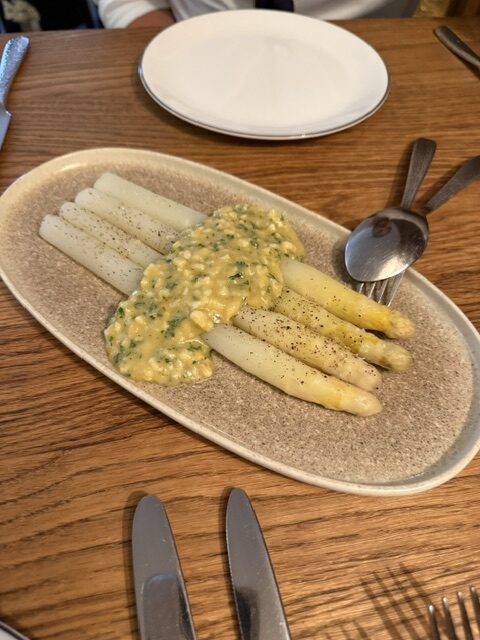
Our culinary adventures in Bruges began with dinner at L’Assiette Blanche, and what a way to start. The sweetbreads were absolutely fantastic—rich, delicate, and perfectly prepared. We also enjoyed some of the best white asparagus of the trip. If you’ve spent time in the Netherlands during asparagus season, you know that overcooked asparagus can be a recurring problem. Not here. These were cooked beautifully and showcased exactly why white asparagus is so beloved in this part of Europe.
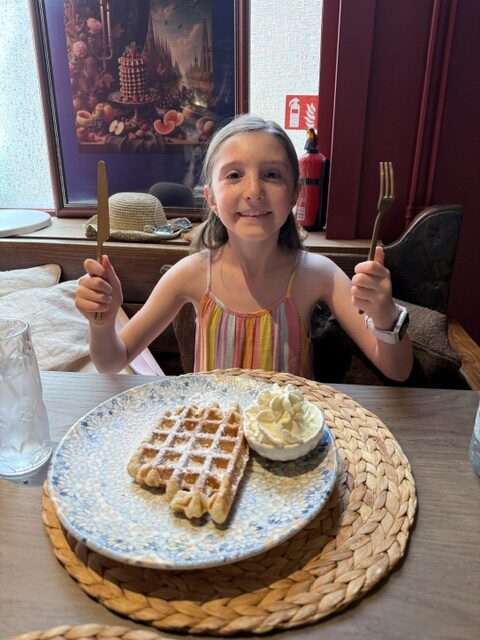
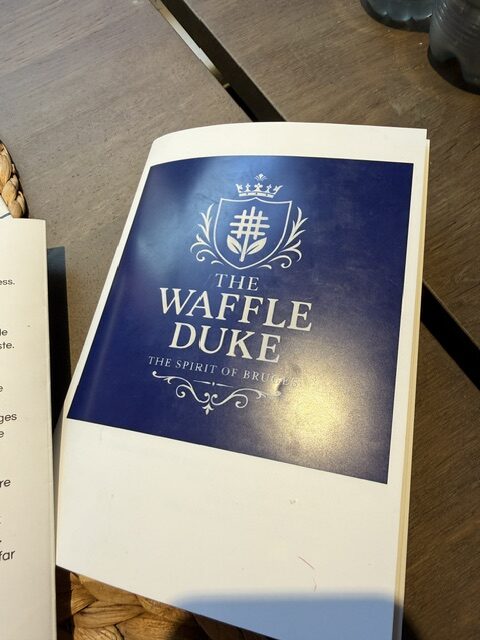
The next morning, we headed to Waffle Duke for breakfast. Josephine kept things simple with a waffle topped with powdered sugar and whipped cream, and she was in heaven. Sometimes the classics are classics for a reason.
Before leaving Bruges for Maastricht, we grabbed shawarma from Olive Street Food. Unfortunately, this was the low point of our Bruges dining experience. The shawarma was drowning in mayonnaise. As someone who is half Lebanese, married to a man who is half Palestinian, I feel qualified to say that there was very little about this dish that resembled the shawarma we grew up eating. It wasn’t terrible, exactly. It just wasn’t shawarma.
Maastricht
If Bruges started strong, Maastricht somehow managed to raise the bar.
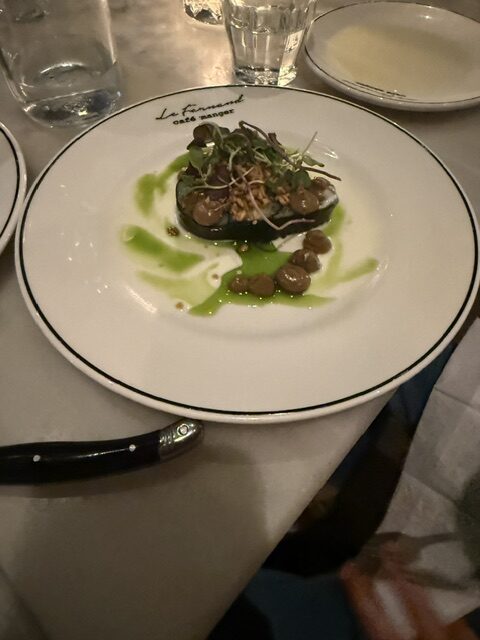
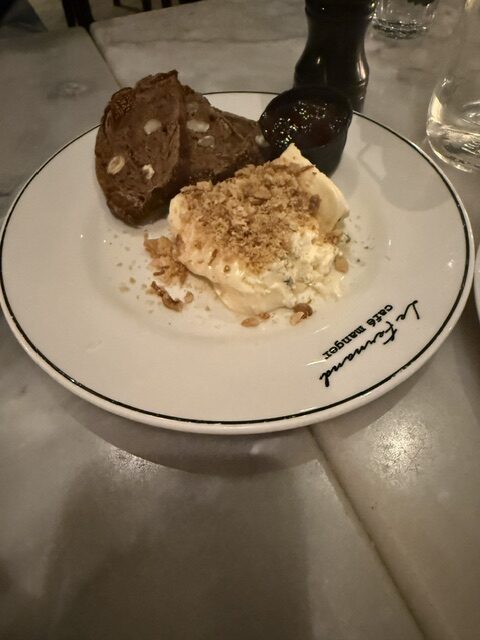
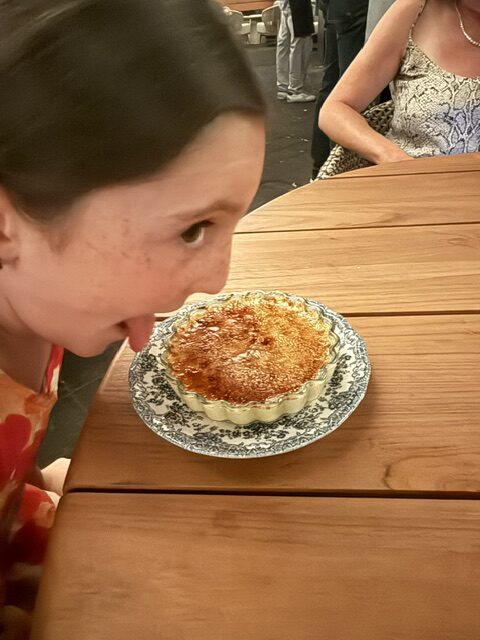
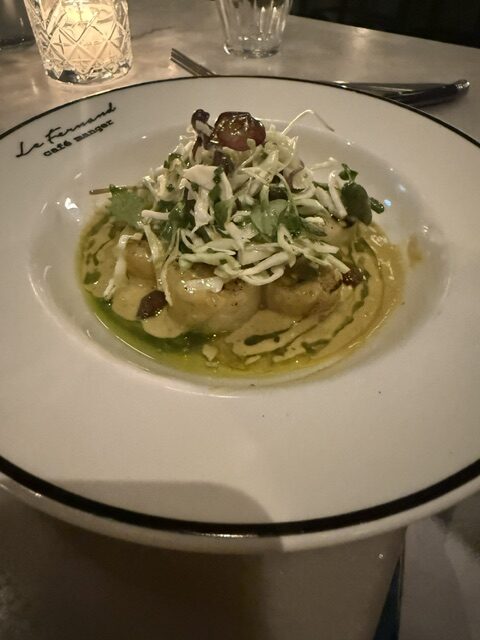
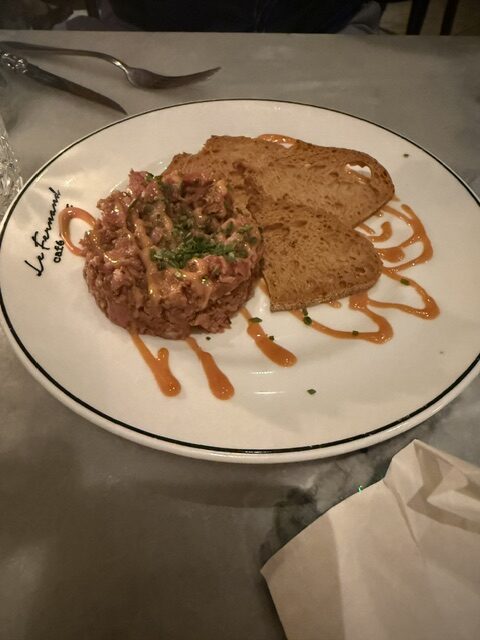
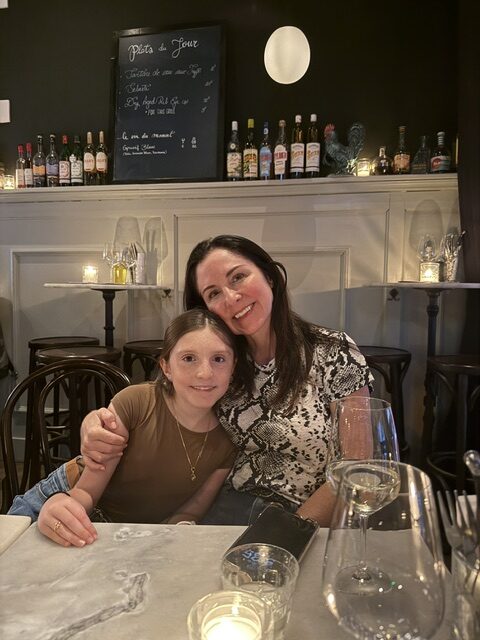
Our first dinner was at Le Fernand, and we were immediately obsessed. Great service, wonderful atmosphere, and prices that felt surprisingly reasonable given the quality. We started with baked Camembert topped with breadcrumbs, nuts, and figs—a dish that was somehow both comforting and elegant.
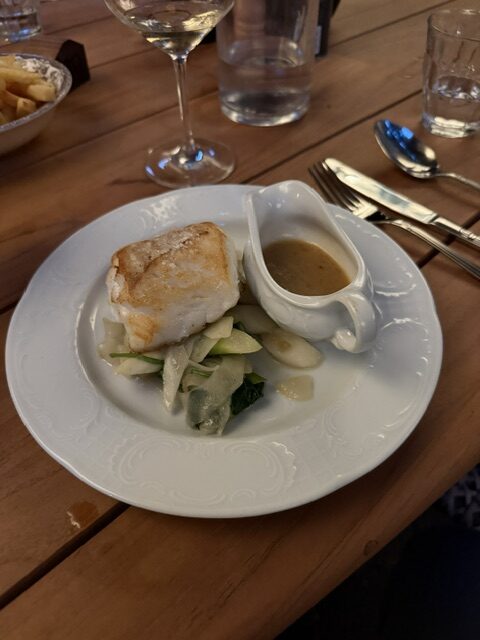
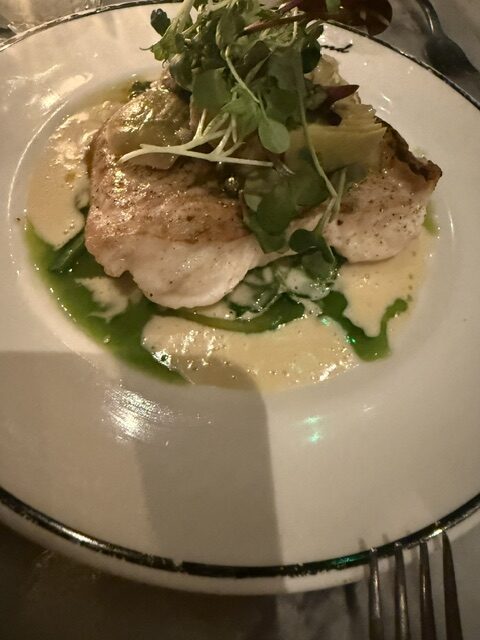
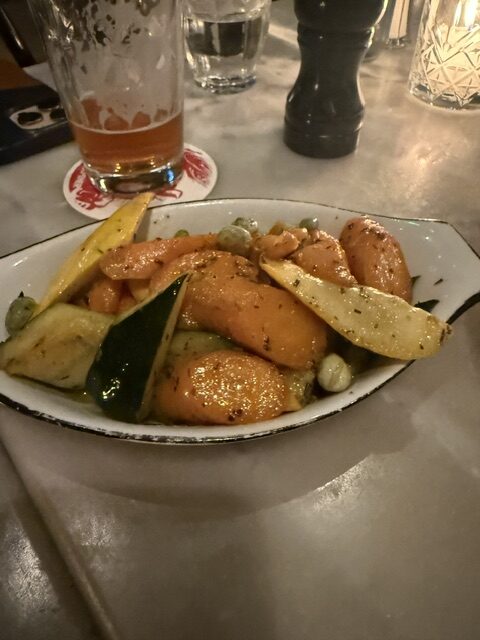
I followed that with steak tartare, while Jamil ordered loup de mer. Josephine chose grilled celeriac with pointed cabbage and lavender jus. To everyone’s surprise, hers was the standout dish of the evening. The combination sounded unusual, but it worked beautifully.
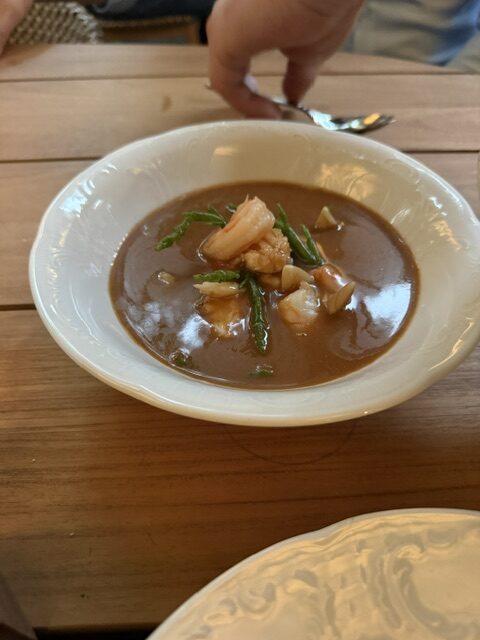
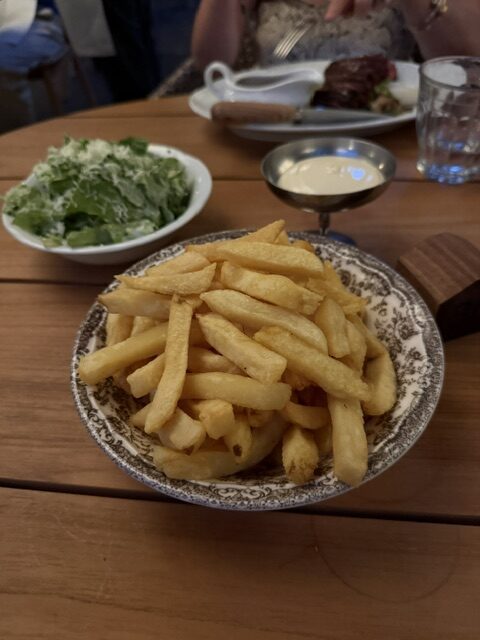
The next day, after exploring the caves just outside the city, we stopped for lunch at Café de Pieter. It was exactly what we needed: casual, charming, and fresh. Josephine ordered asparagus soup, Jamil had a chicken Caesar salad, and we enjoyed a welcome break from the more elaborate dining experiences that had filled much of the trip.
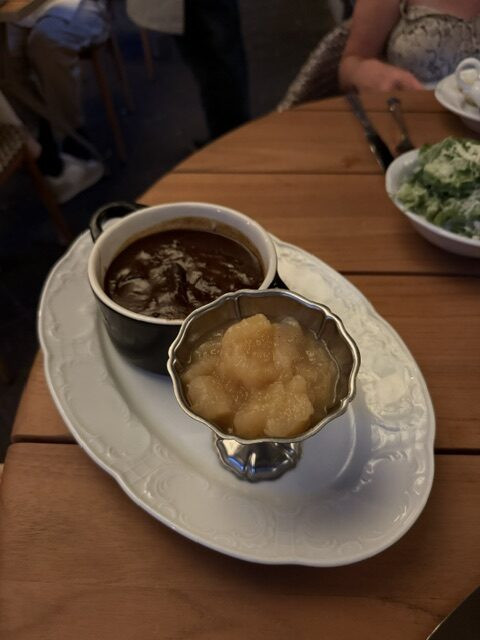
For our final dinner in Maastricht, we headed to Café Sjiek, a beloved local institution. The meal did not disappoint. In a move that surprised all of us, Josephine decided to order horse stew. I have never been able to get past the idea of eating horse, so I was fascinated by her willingness to try it. In the end, she wasn’t a fan—but not because it was horse. Her complaint was that it was sweet, strange, and “very Dutch.”
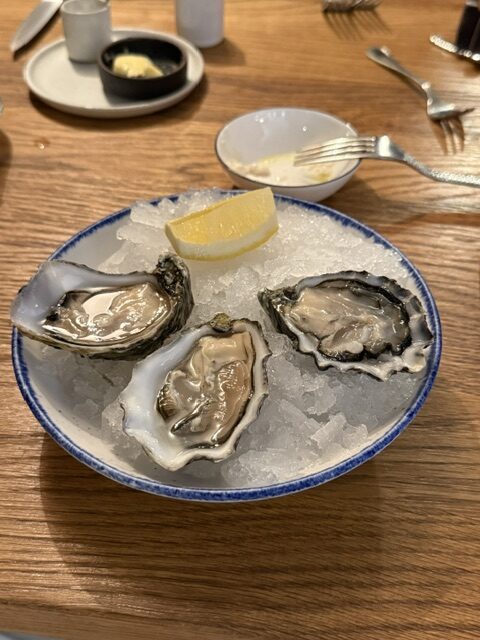
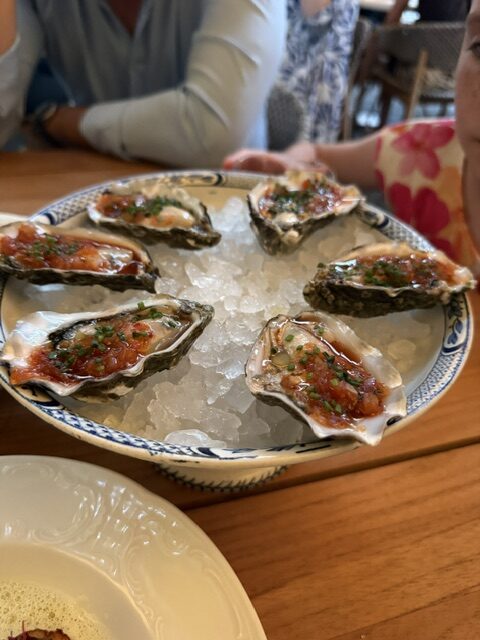
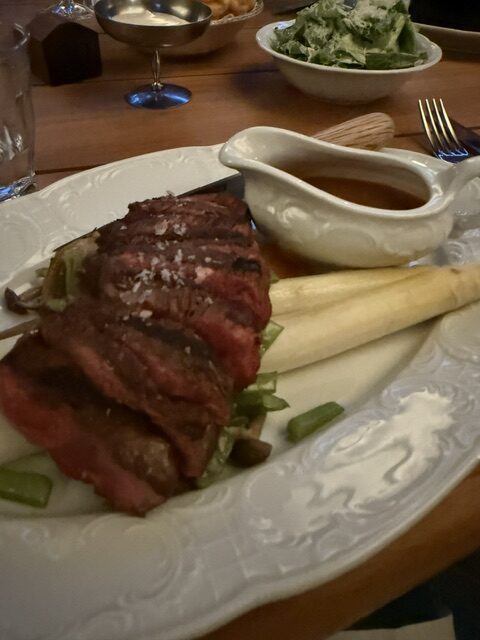
Jamil started with oysters topped with a kimchi mignonette that completely blew his mind. I panicked when faced with too many interesting menu options and retreated to the safety of a steak. Jamil ordered fish for his main course, but after deciding the horse stew wasn’t for her, Josephine promptly commandeered most of his dinner.
As it turns out, that’s the real theme of traveling with a nine-year-old: no matter what everyone orders, there’s always a chance your meal will become someone else’s.
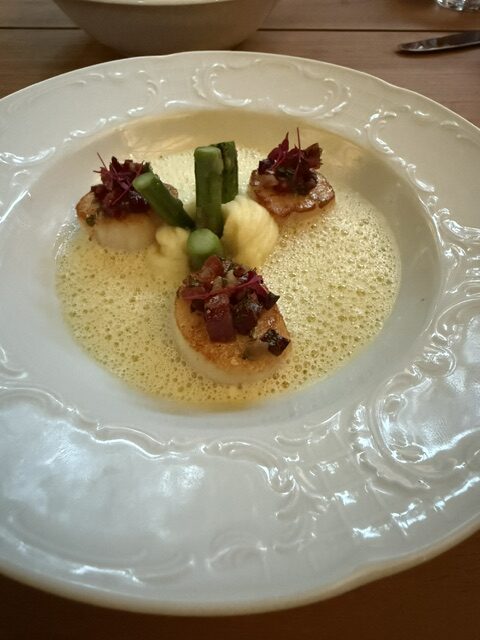
Between the refined elegance of Le Fernand, the cozy charm of Café de Pieter, and the local flavor of Café Sjiek, Maastricht turned out to be one of the most enjoyable food destinations of our trip. Combined with Bruges’ memorable sweetbreads and asparagus, it made for several days of eating that were almost as enjoyable as the sightseeing.
Great Detour in Maastricht
June 10, 2026
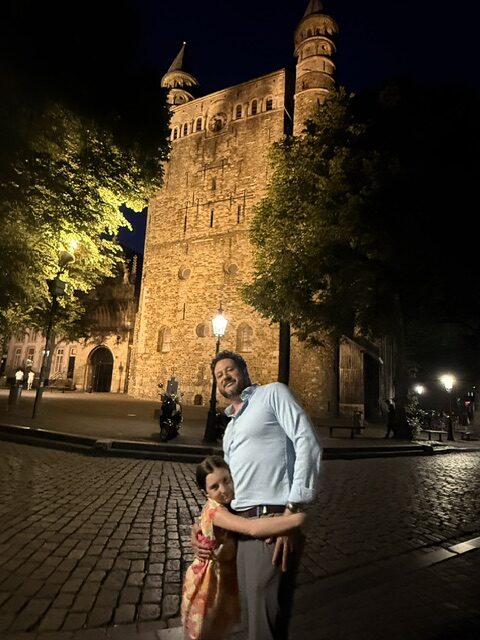
Maastricht may have been one of the biggest surprises of our trip.
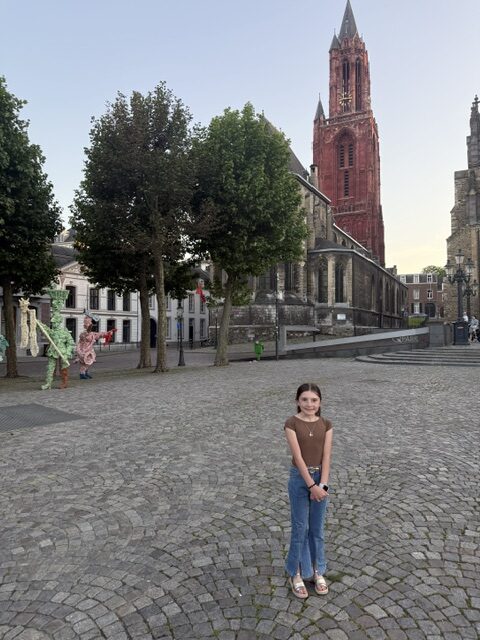
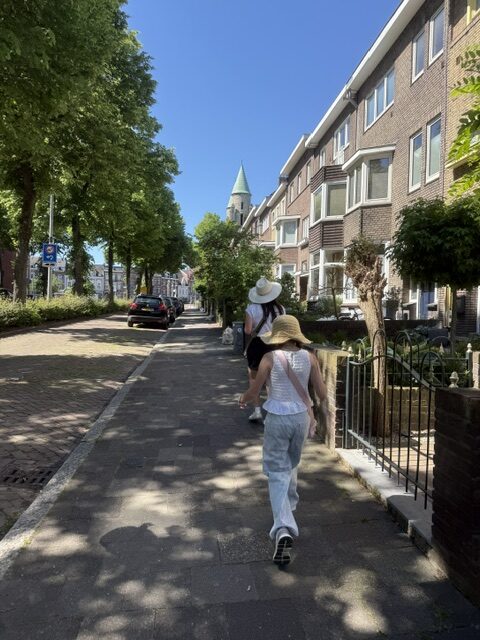
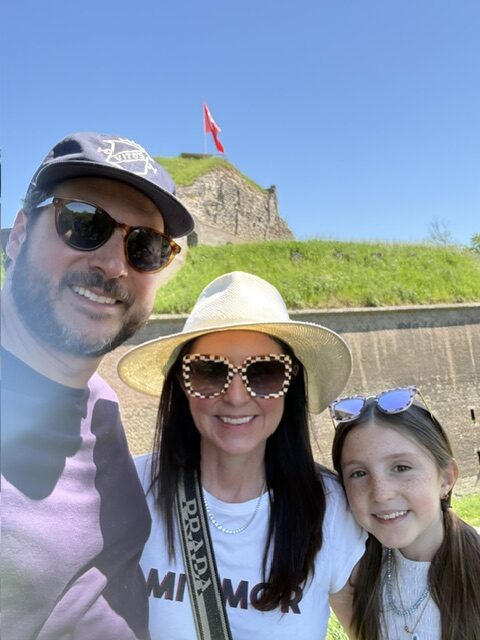
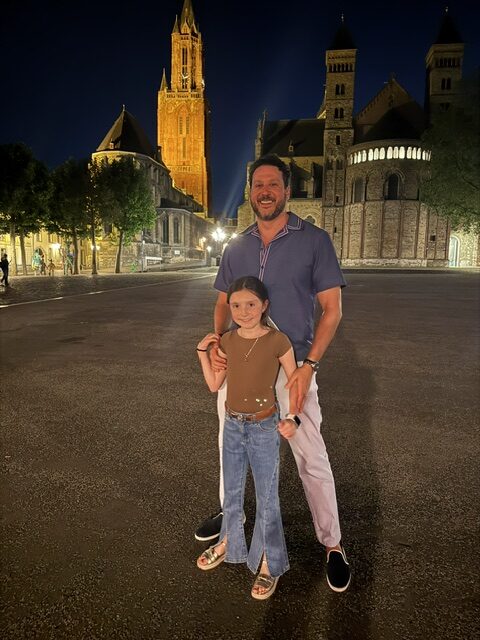
The city has a youthful, energetic feel thanks to the university, but it also manages to be charming, beautiful, and remarkably walkable. We spent two nights there and immediately understood why so many people speak so fondly of it. The streets are lined with cafes, historic buildings, and beautiful public spaces, yet the atmosphere feels relaxed and approachable rather than crowded or overwhelming.
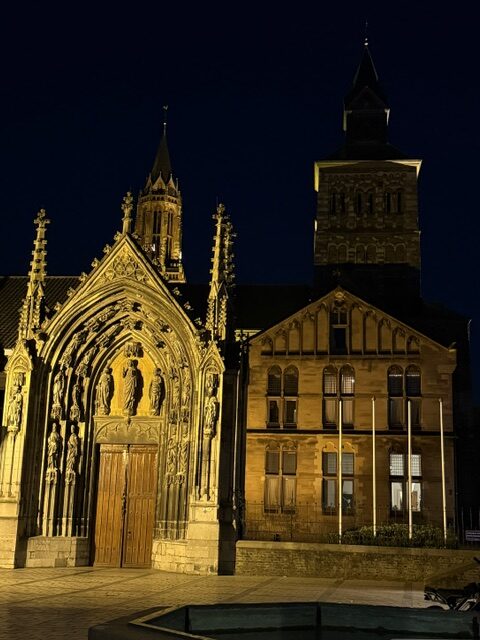
Our hotel was one of the most memorable places we’ve ever stayed: the Kruisherenhotel. The property is a former church that has been transformed into a modern luxury hotel, and somehow the combination works perfectly. The soaring architecture of the church remains intact, while contemporary design elements have been incorporated throughout the space. It is one of those hotels that becomes part of the destination itself.
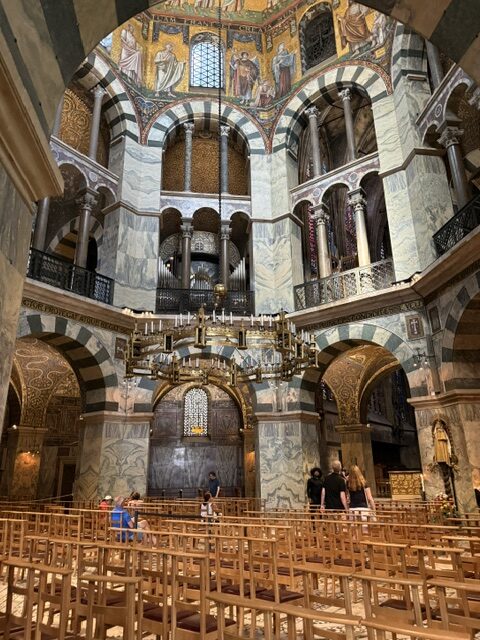
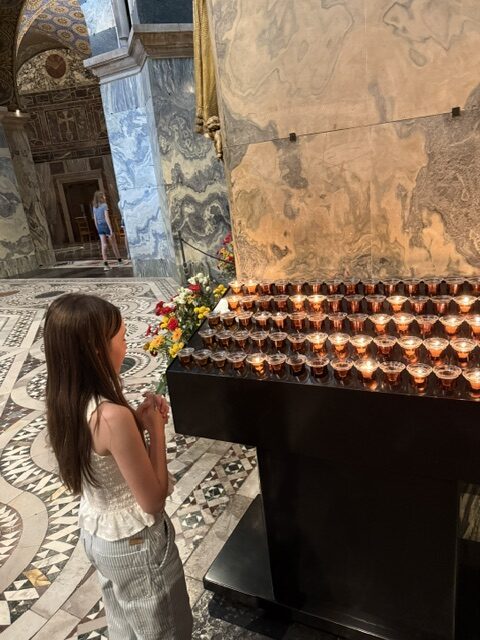
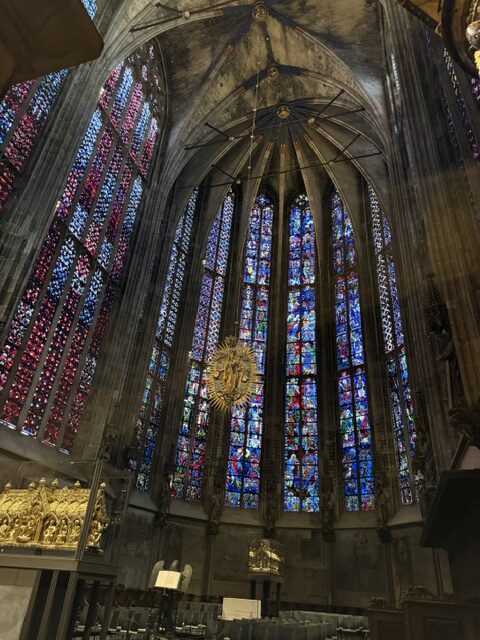
One of the highlights of our stay was a day trip across the border to Aachen, Germany, to visit Aachen Cathedral, the church built by Charlemagne more than 1,200 years ago. Walking into a building that has survived since the time of Charlemagne is a remarkable experience.
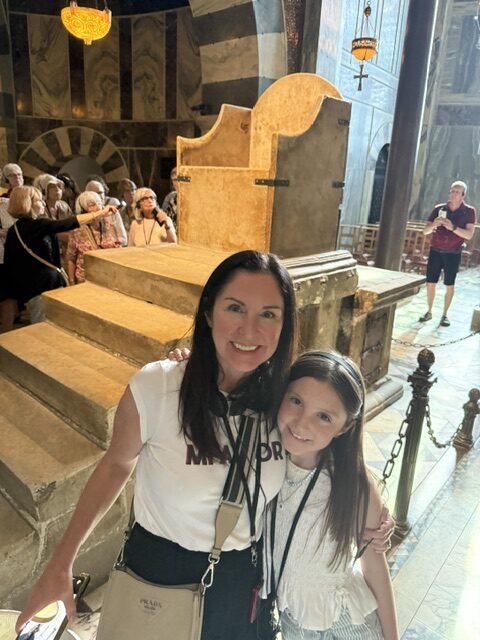
We quickly learned that seeing Charlemagne’s throne required a guided tour. The only tour available was in German. Did we speak German? Nope.
But we joined the tour, understood virtually none of the guide’s explanation, and happily followed along anyway. The reward was seeing Charlemagne’s throne and the altar area where his remains are kept. Sometimes travel requires a willingness to be completely confused in pursuit of something extraordinary.
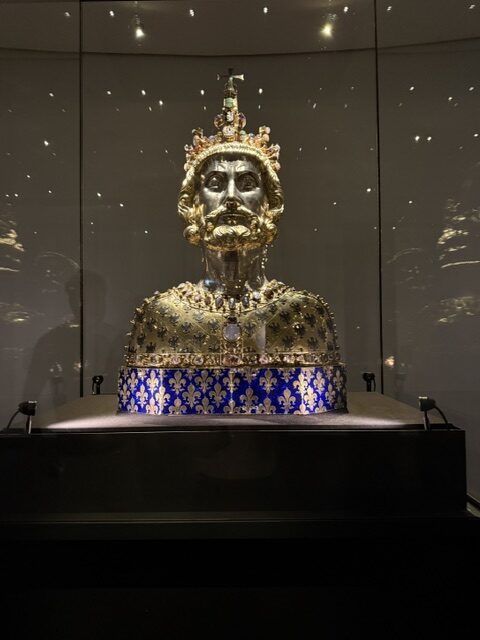
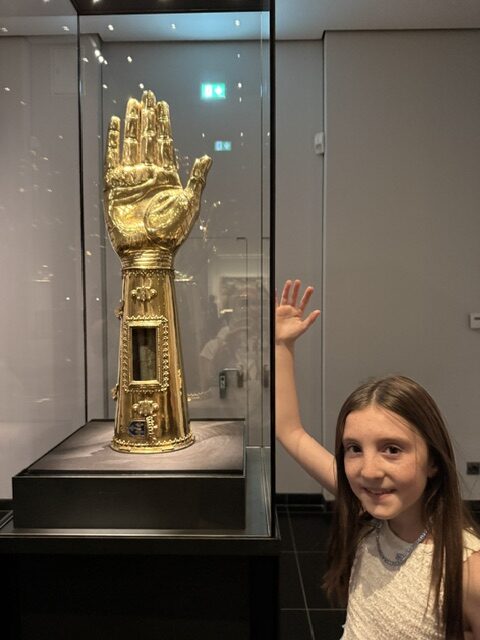
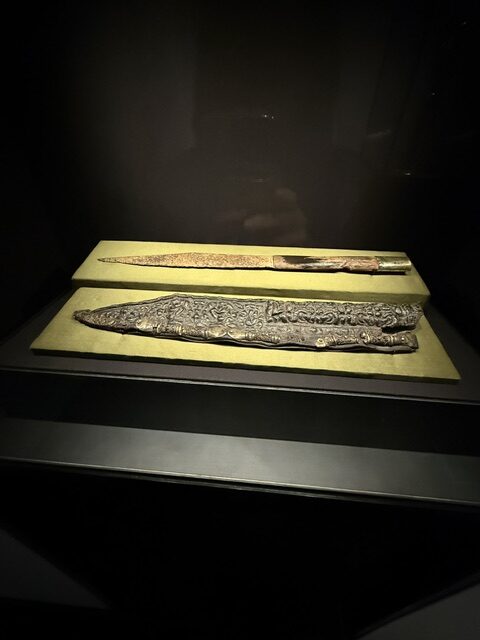
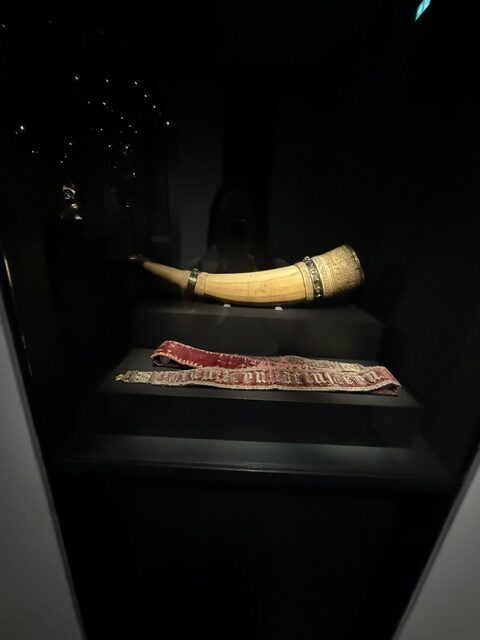
Before leaving, we made a last-minute dash through the cathedral treasury, which turned out to be one of the most fascinating parts of the visit. We saw objects directly associated with Charlemagne himself, including his hunting horn and hunting knife, as well as the famous reliquary bust containing his skull. It felt like standing face-to-face with history.
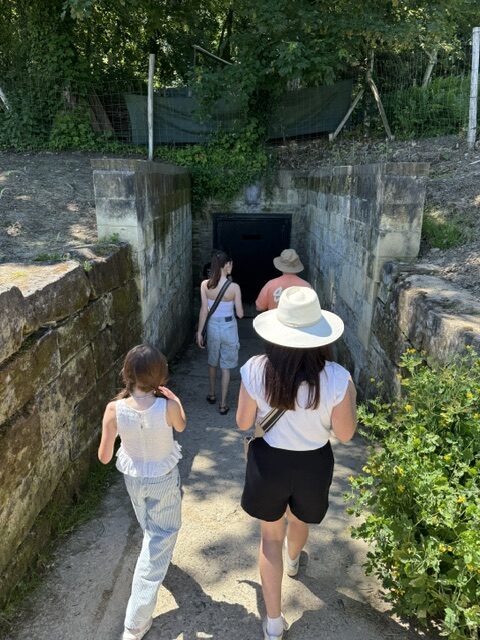
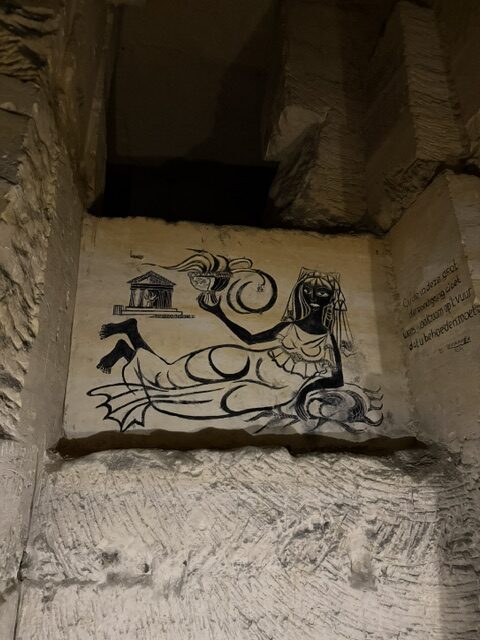
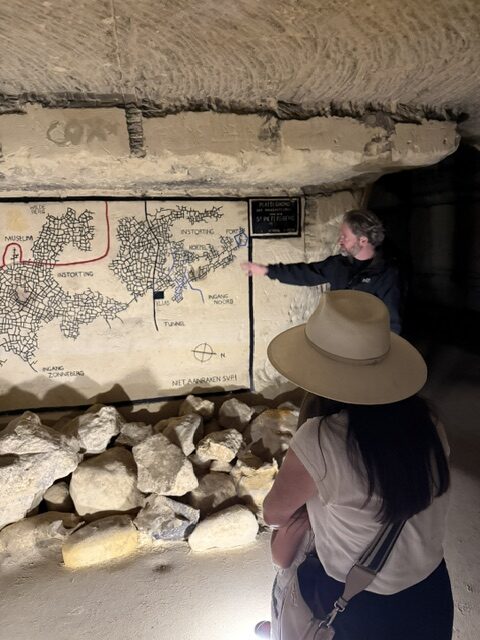
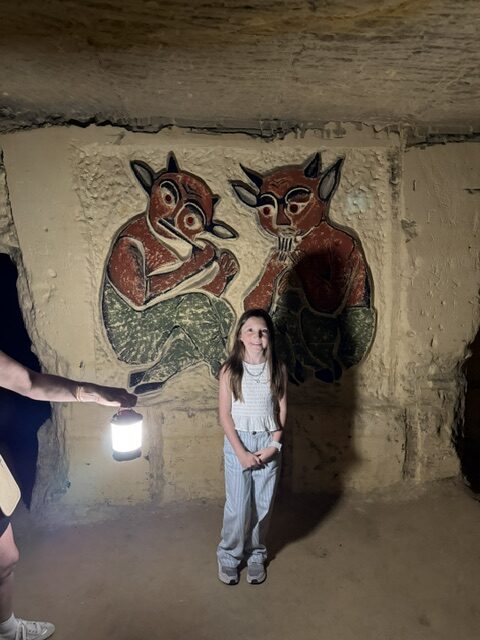
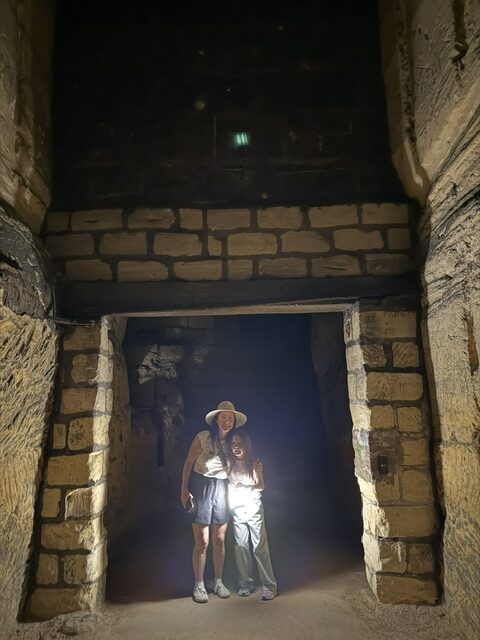
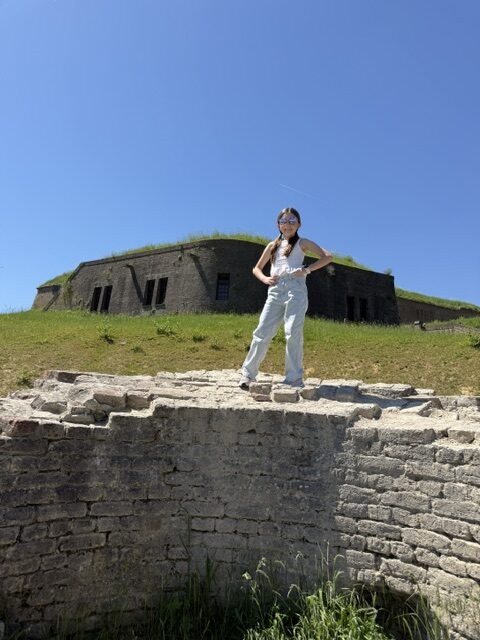
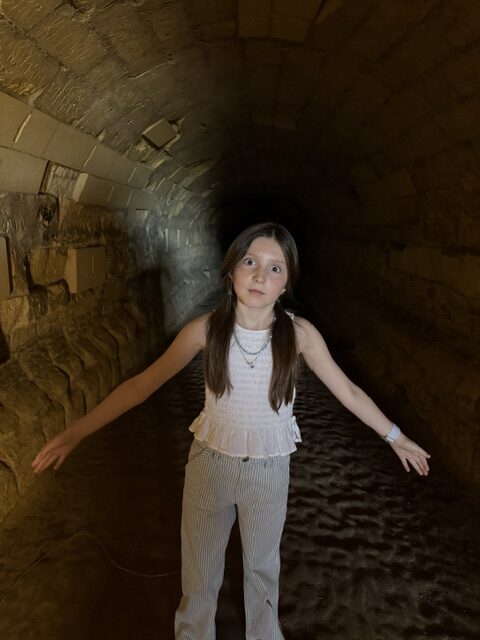
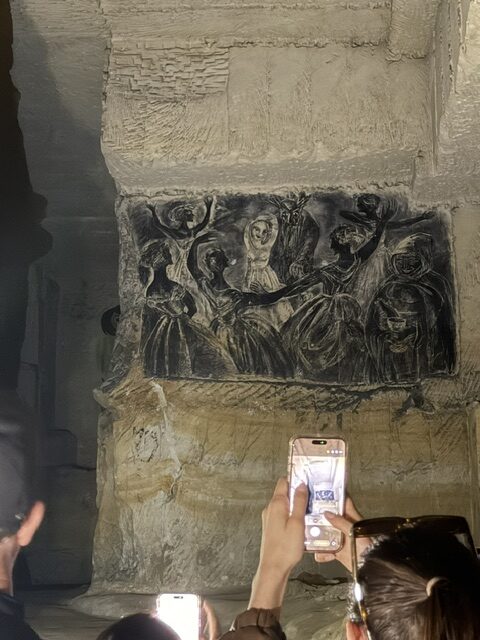
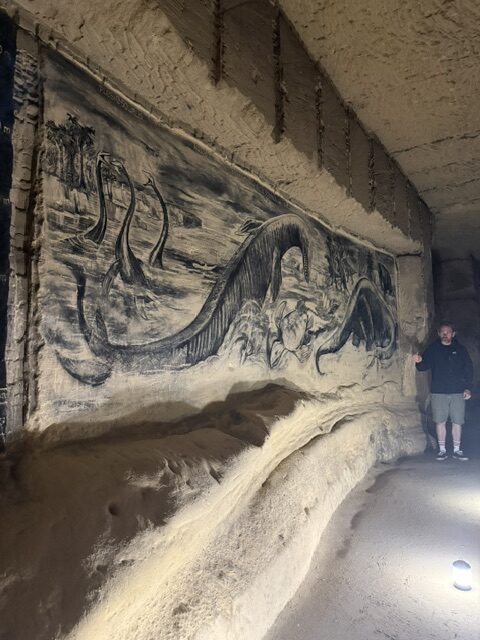
Back in Maastricht, we explored the underground cave system north of the city. The caves are fascinating in their own right, but what makes them especially remarkable is their role during World War II. Thousands of important works of art were hidden there for safekeeping, protected from bombing and Nazi theft. Walking through those tunnels, it was easy to imagine the enormous responsibility carried by the people who worked to preserve Europe’s cultural treasures during one of its darkest periods.
What we expected to be a pleasant stop between larger destinations became one of our favorite portions of the trip. Maastricht offers beautiful architecture, excellent food, easy access to fascinating history, and a relaxed atmosphere that makes you want to stay longer.
Two nights didn’t feel like enough.
Incredible 20 Hours in Bruges
June 08, 2026
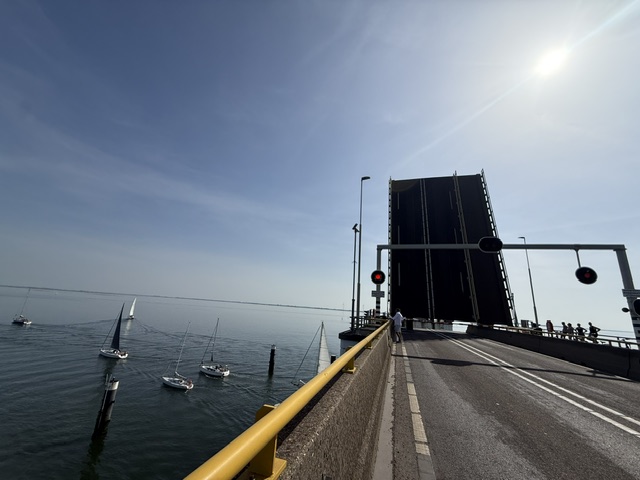
We drove into Bruges from Amsterdam, though a bit later than planned — not because anything went wrong, but because the weather was almost impossibly beautiful. Everyone in the Netherlands seemed determined to spend the day outside. Along the highway, the water was alive with windsurfers, kite surfers, and sailboats gliding through the sunshine. It made me wonder: where do all those sails and boards live during the long gray stretches? Do people just wait patiently for one glorious day like this and then suddenly emerge all at once?
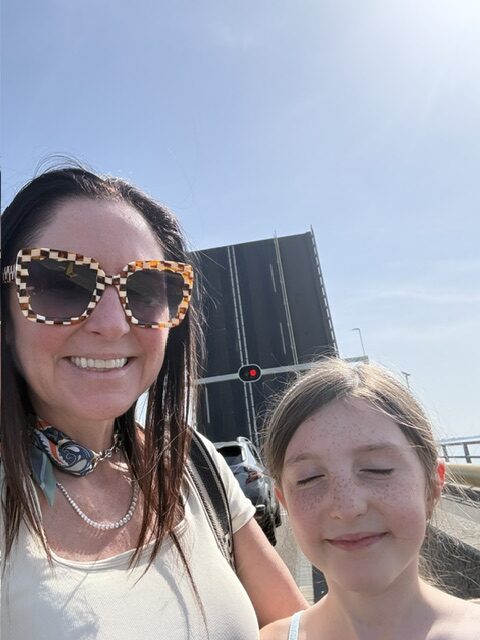
At one point, traffic came to a complete stop for a drawbridge lifting to let a line of tall sailboats pass through. We got out of the car to watch. As we stood there admiring the boats, a voice crackled over the loudspeaker:
“Lady in the short trousers, please get back in your vehicle.”
Yeah, the lady in the short trousers was me.
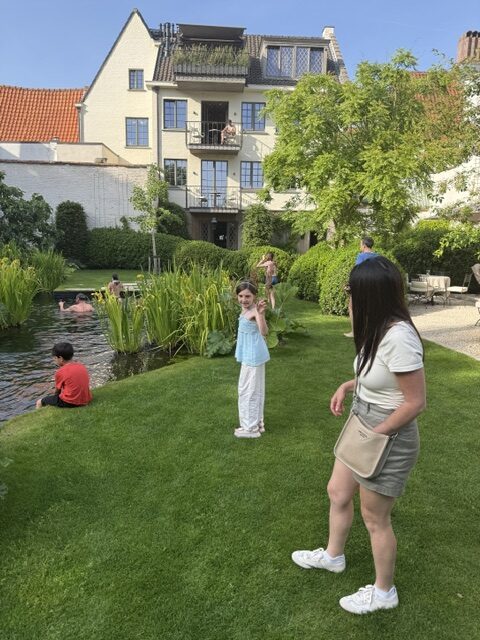
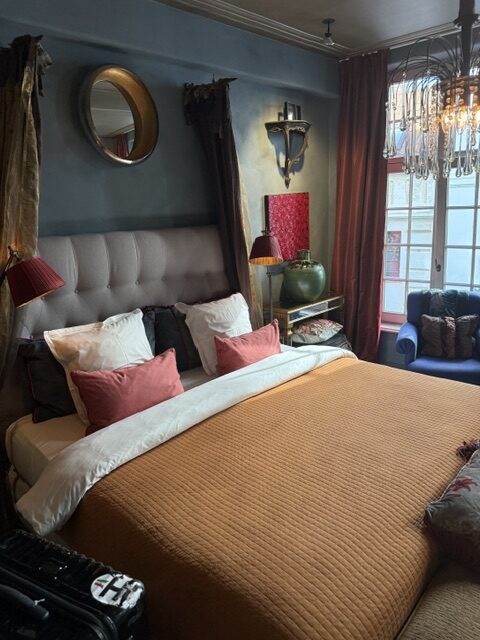
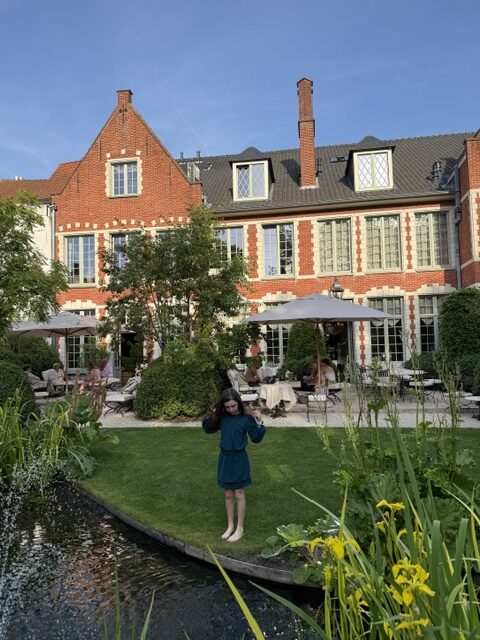
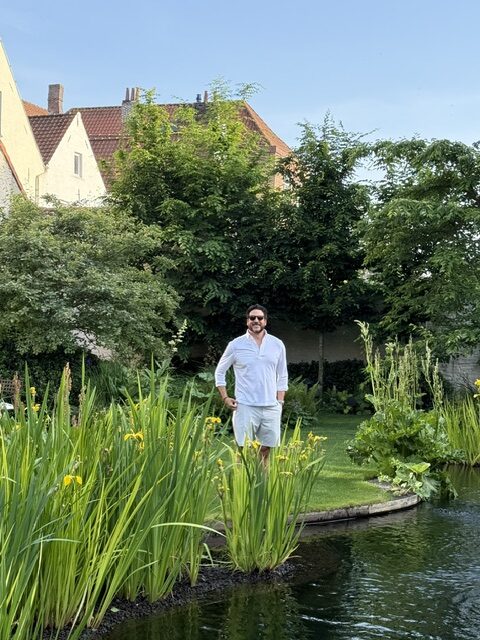
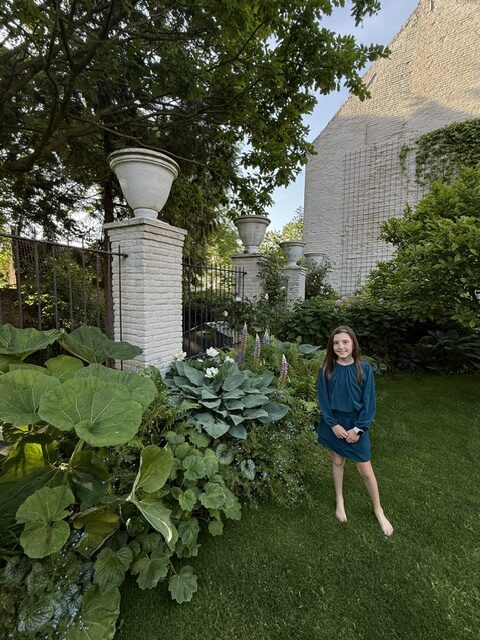
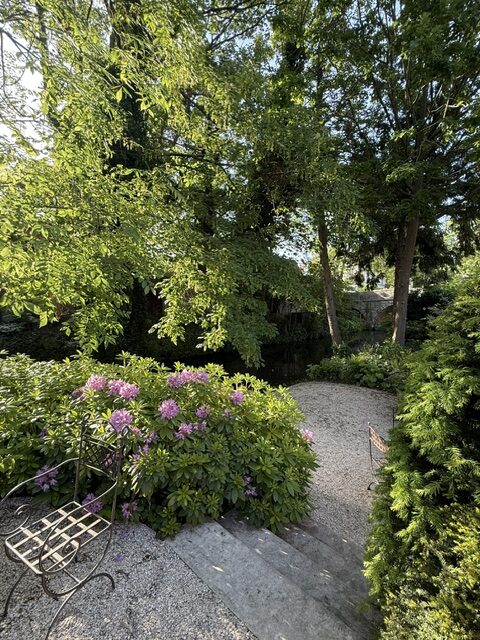
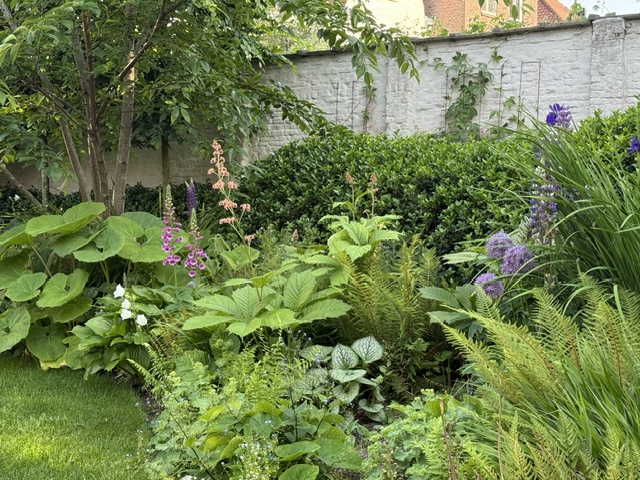
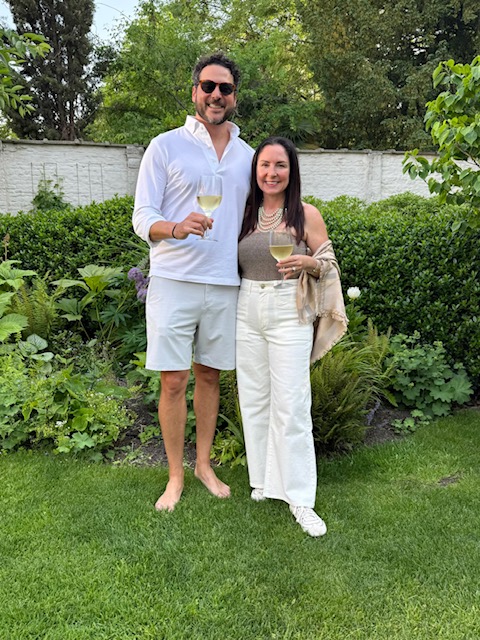
By the time we arrived in Bruges, we were completely charmed already. We checked into our beautiful hotel, The Notary, parked the car in city parking, and settled into the kind of relaxation that feels almost cinematic after a long drive. The hotel overlooks its own quiet stretch of canal, with flowers everywhere and a swimming pond filled with fish and water plants. We sat in the garden with glasses of Sauvignon Blanc and let Bruges work its magic on us.
That evening brought a beautiful dinner followed by cognac in the hotel bar — one of those perfect little European moments where nobody seems rushed and the lighting somehow flatters everyone.
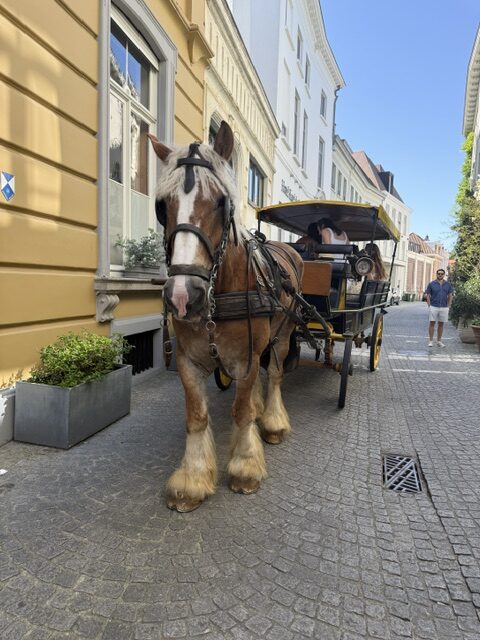
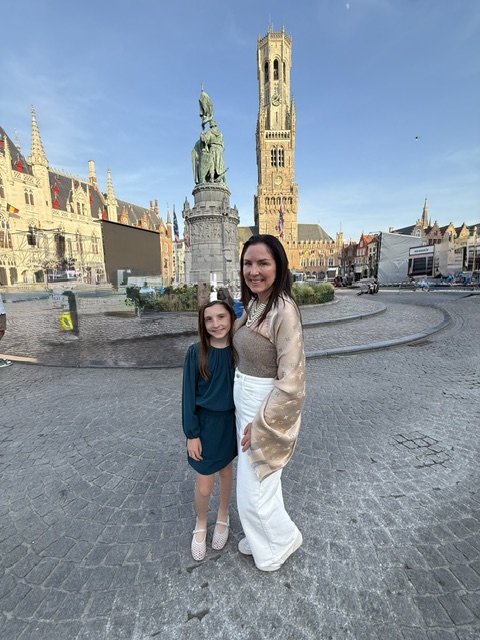
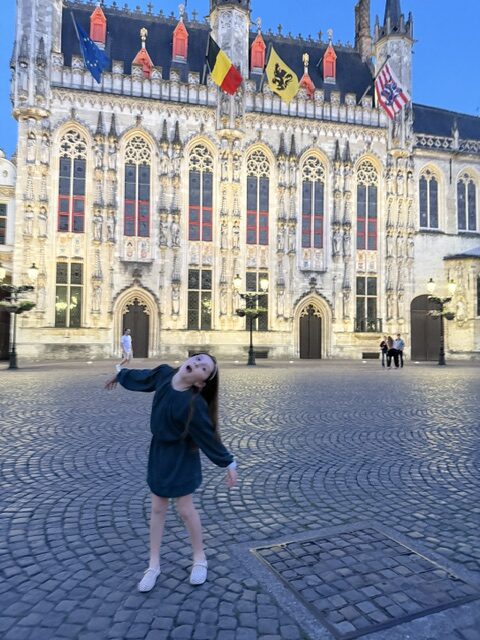
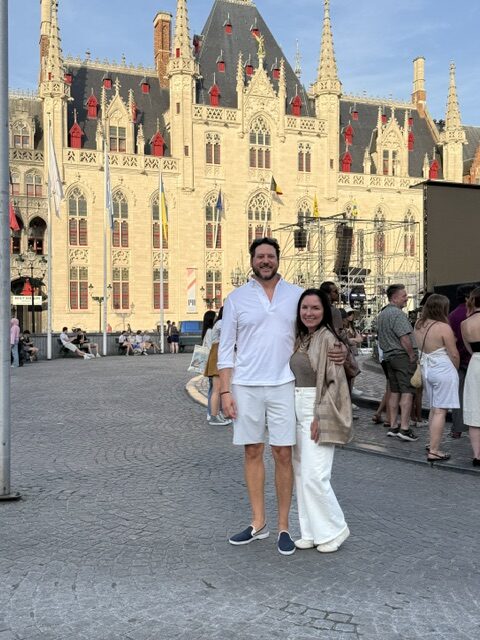
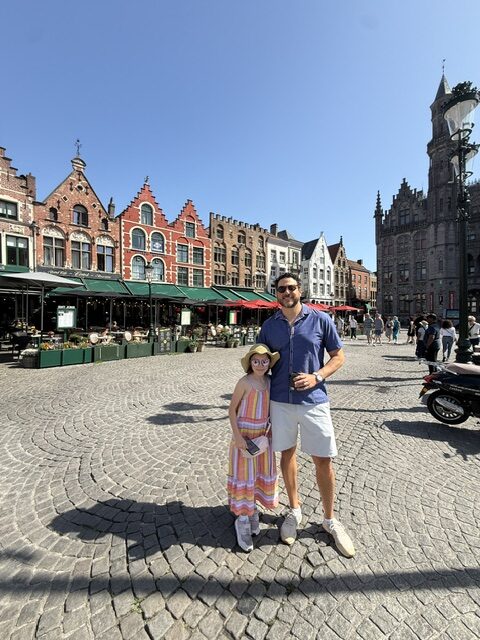
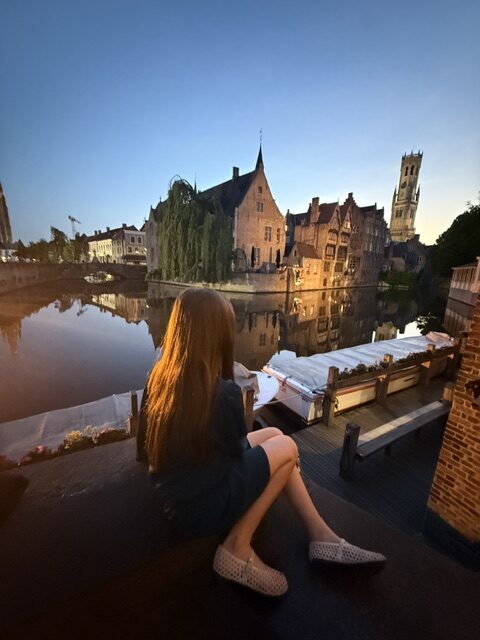
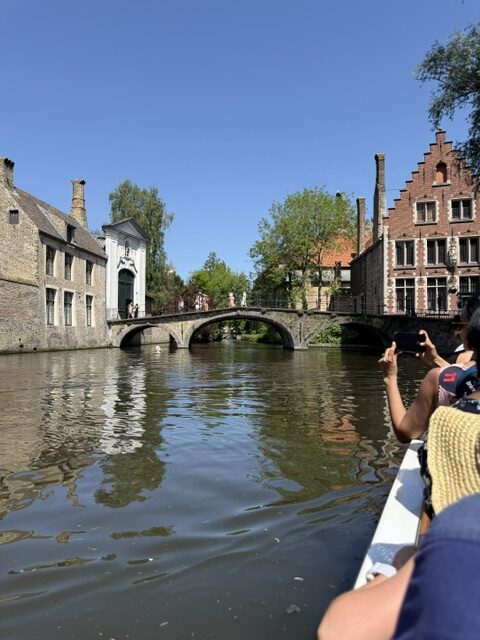
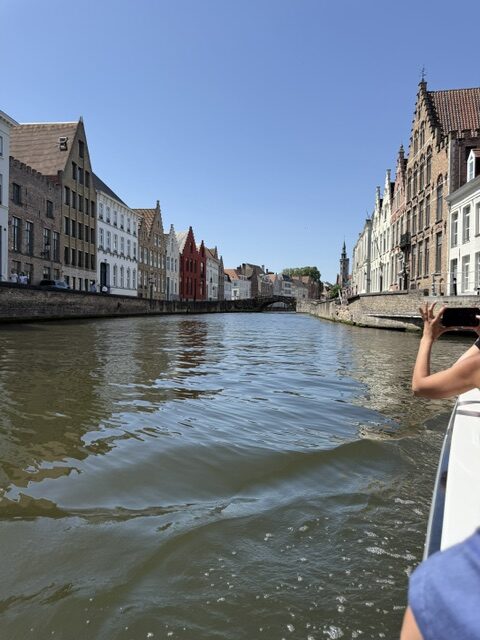
The next morning, determined to maximize our short stay, we launched straight into Bruges proper. First: a canal cruise, which absolutely lived up to the hype. Bruges is lovely from the streets, but from the water it feels almost unreal — medieval facades, low bridges, ivy-covered walls, and tiny hidden gardens tucked behind centuries-old buildings.
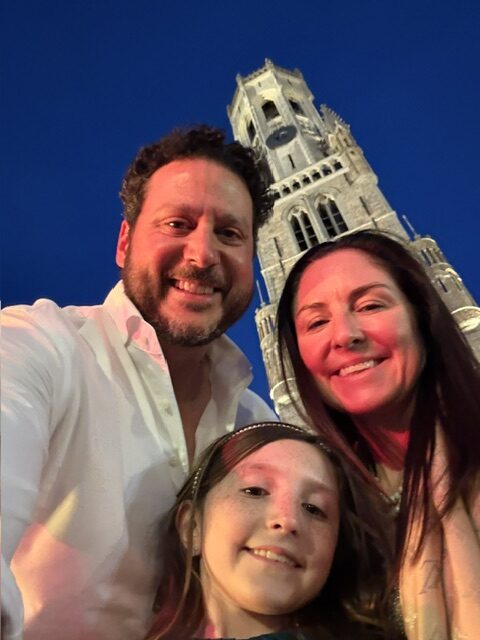
Then came the Belfry.
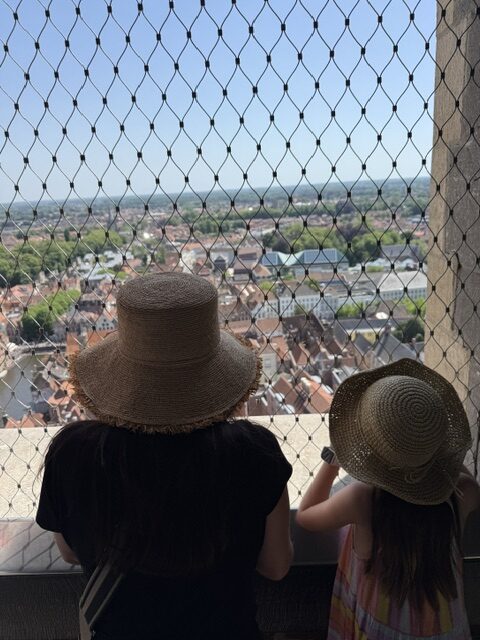
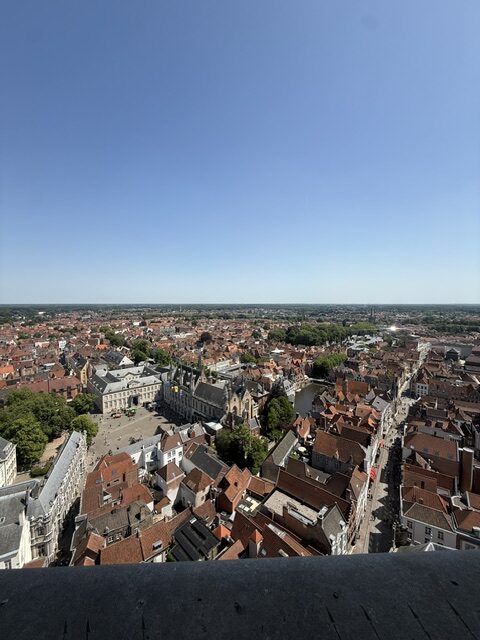
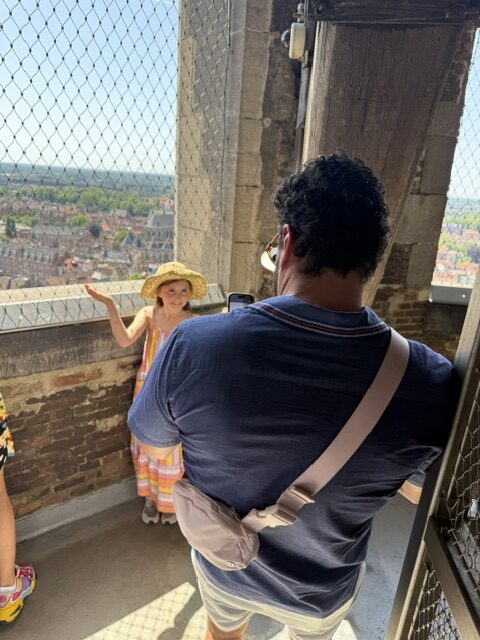
We climbed the narrow staircase all the way to the top, and despite the fact that I exercised constantly, my legs were trembling afterward. Apparently stair-climbing in a medieval bell tower uses muscles modern life forgot.
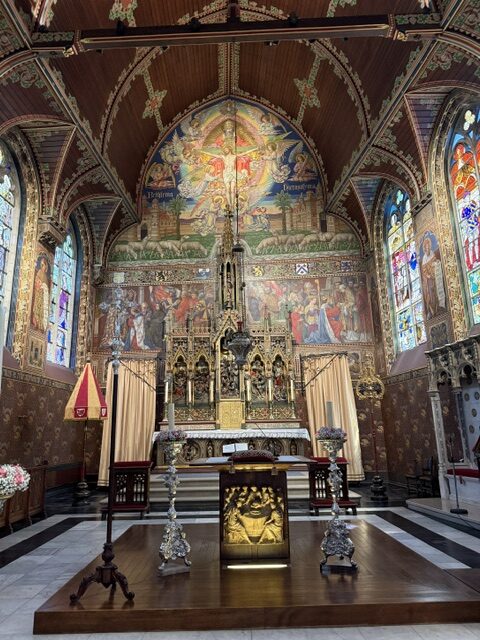
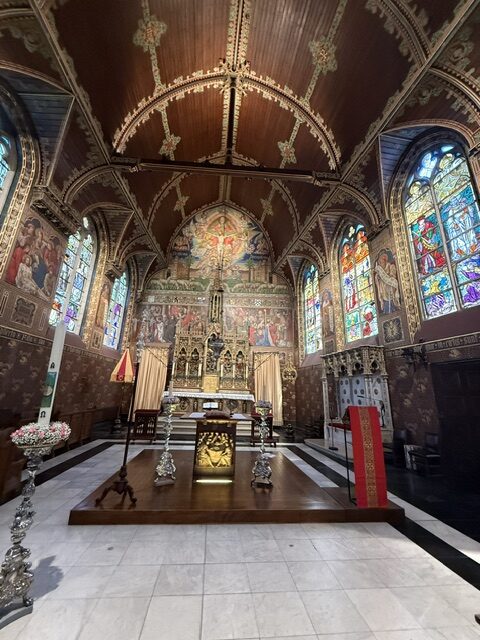
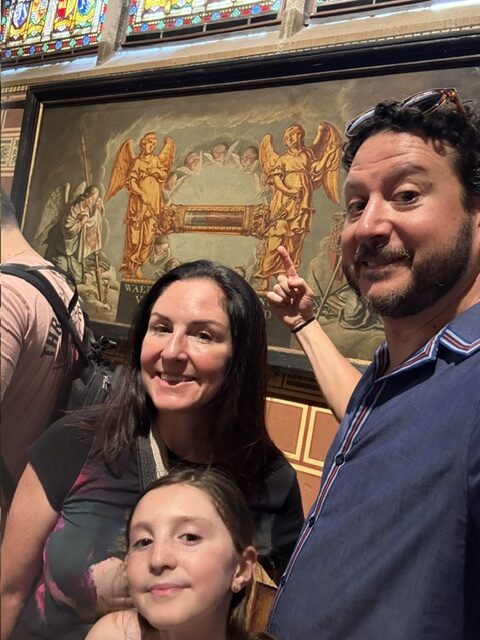
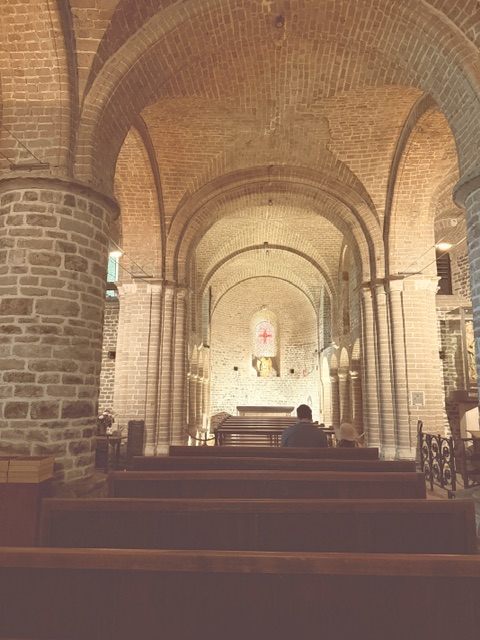
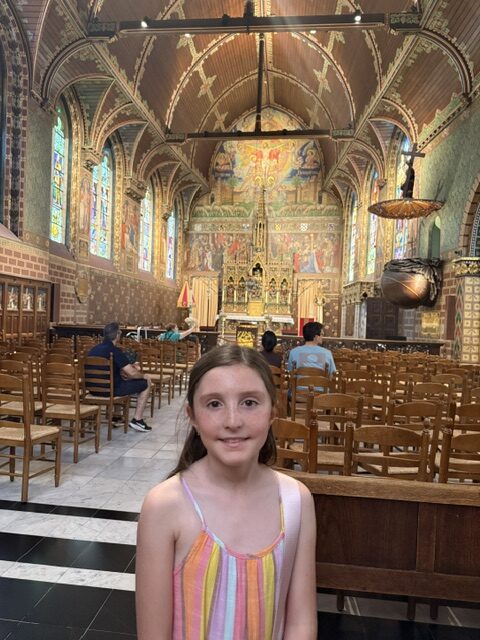
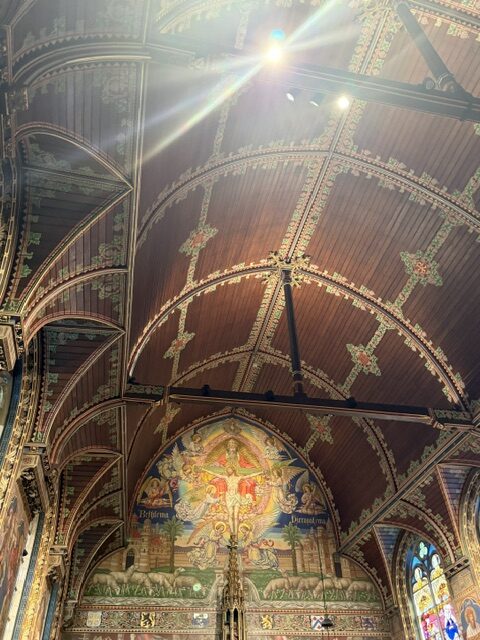
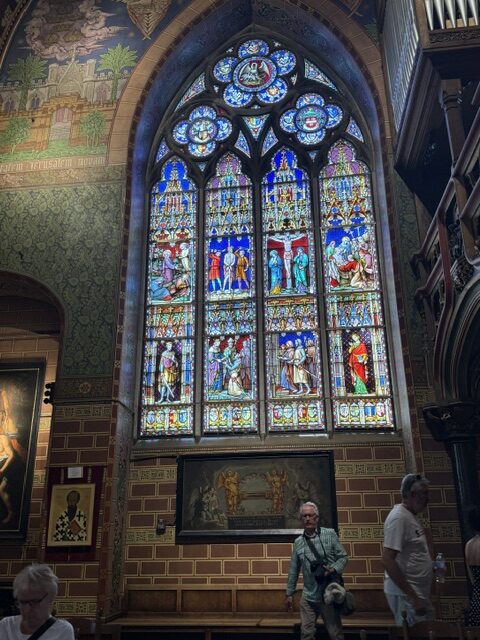
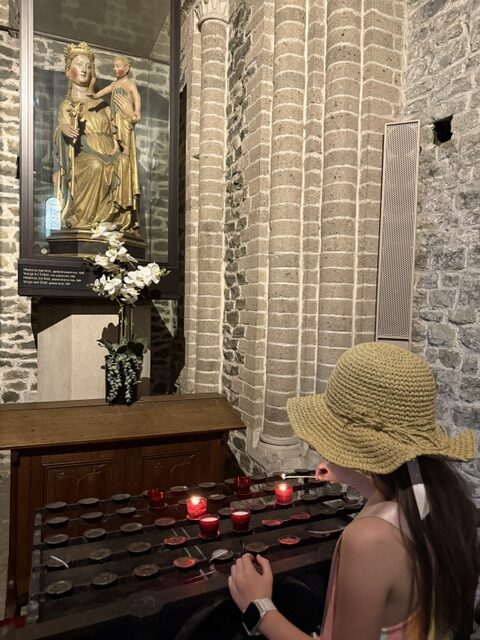
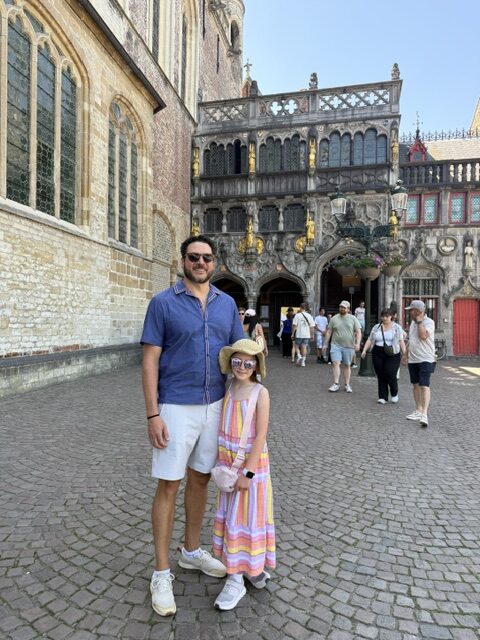
One of the highlights of the trip was the Basilica of the Holy Blood. The lower Romanesque church especially was incredible — dark, ancient, and almost fortress-like in its simplicity. Josephine lit a candle for her grandmother before we headed upstairs to see the relic itself.
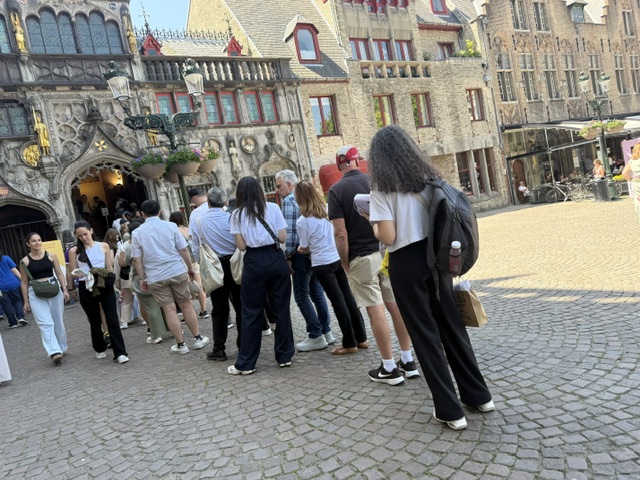
When we arrived, the line was surprisingly short. Jamil complained a bit while we waited — only to discover on the way out that we had somehow timed it perfectly. The line had exploded behind us, stretching all the way down the stairs and into the courtyard. We still have no idea how we escaped the crowds so completely.
And then, just like that, our twenty hours in Bruges were over.
We grabbed shawarma for the road, climbed back into our Ford Kuga stuffed to the roof with luggage, and pointed ourselves toward Maastricht for the next leg of the adventure.

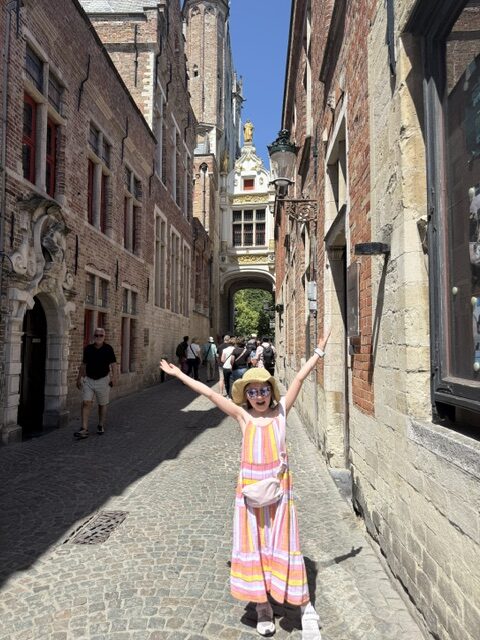
Eating in Amsterdam
June 01, 2026
One of the best parts of Amsterdam is that the food somehow manages to feel both effortless and deeply intentional. Nothing felt overly polished or performative. People just seem to care about quality — whether it’s coffee, oysters, fries, gelato, or a hot dog from a stand near the train station.
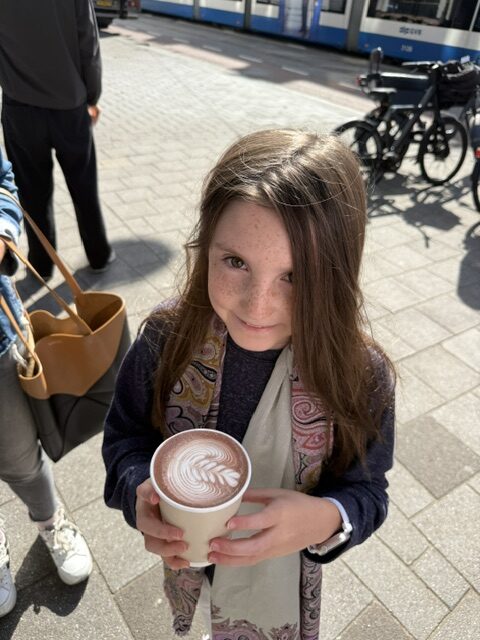
Our mornings usually started at Coffee District, which became our favorite coffee stop in the city. The coffee quality was genuinely outstanding — the kind of place where even a simple cappuccino tastes meticulously calibrated. Josephine loved the hot chocolate and somehow loved it even more once they poured it over ice. The line looked intimidating every morning, but it moved faster than most neighborhood Starbucks in the United States. I still do not understand what kind of witchcraft those baristas possess.
For lunch, we had sandwiches from Cora Amsterdam, which we loved considerably more than Josephine did. The pastrami sandwich was the standout for me — rich, peppery, and balanced without being heavy. The vegetable sandwiches were fresh and flavorful, though they needed a little more salt. Still, everything tasted high quality, healthy, and shockingly affordable by major-city standards.
Not every meal was elegant, though. On our big museum day, we somehow failed repeatedly at finding lunch. Everywhere was crowded, touristy, or unappealing, and by around 4 p.m. we were starving and cranky enough to stop overthinking things. We ended up at a hot dog stand near Amsterdam Centraal Station. Honestly – it was great. A simple hot dog with mustard and pickles can still be perfect if it’s fresh and busy. That is one culinary rule that seems to hold true internationally: high turnover usually means safety and quality.
And then there was the gelato.
We stopped at Miuz Gelato Artigianale, which completely justified the line outside. Josephine and Jamil were obsessed with the olive oil gelato, which somehow tasted simultaneously rich, grassy, and refreshing. Jamil also loved the basil flavor, which sounds strange until you try it and realize it works perfectly. I went with the chocolate sorbet, which was intensely dark and smooth without being overly sweet. It tasted more like actual chocolate than most chocolate ice creams do.
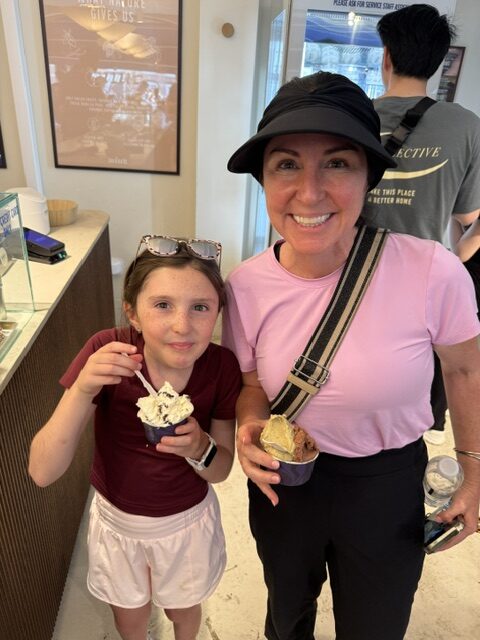
Dinner was where Amsterdam really surprised us.
Our first standout dinner was at Visque. We only ended up there on a whim. We had reservations for an Indonesian rijsttafel dinner elsewhere, but we walked past Visque, saw the energy inside, turned around almost immediately, canceled our other reservation, and went in. Zero regrets.
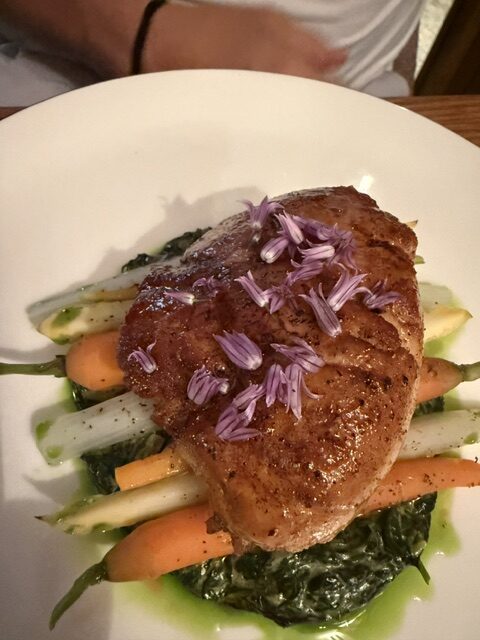
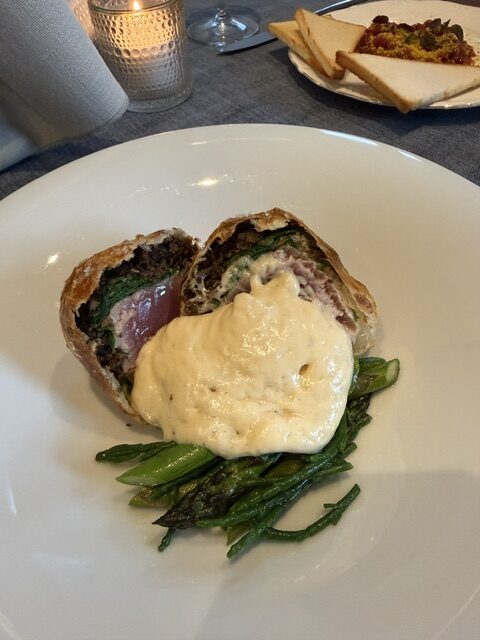
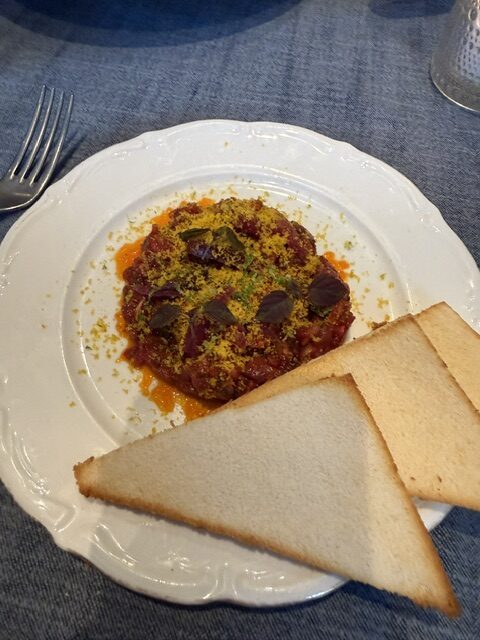
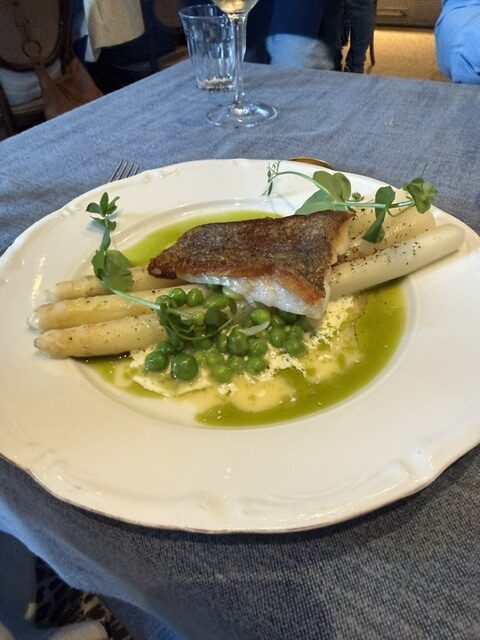
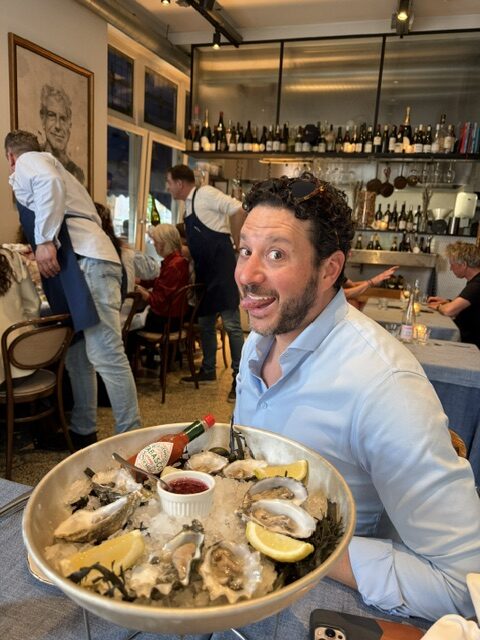
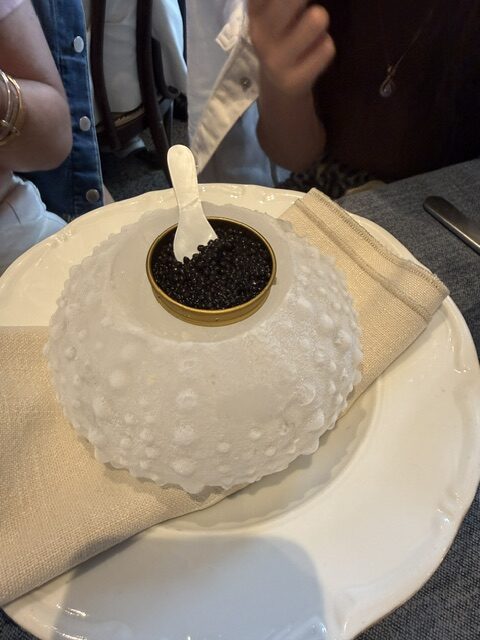
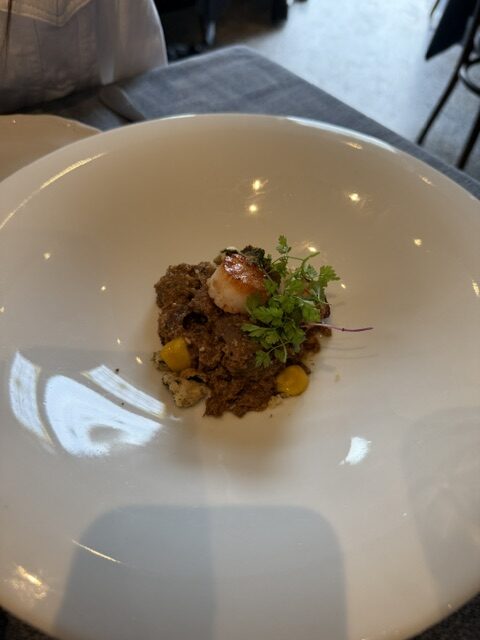
The oysters and caviar were phenomenal. I had a steak tartare with pimentón that was smoky, sharp, and completely addictive. Josephine chose asparagus with sea bass, while Jamil ordered the tuna “Wellington.” Every single dish worked. It felt playful without becoming gimmicky — ambitious food that still knew how to taste good.
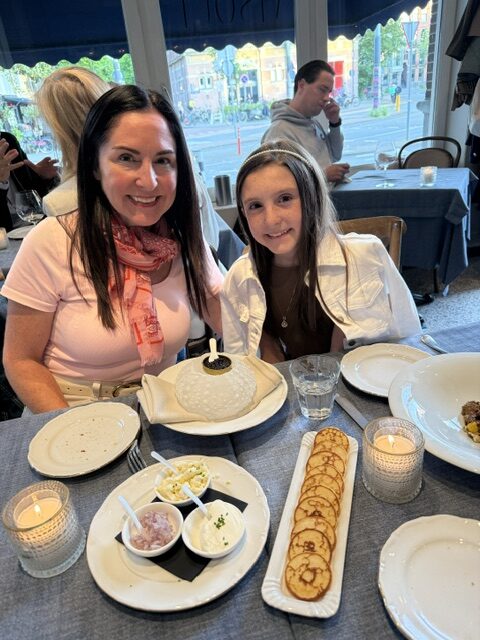
Then there was Restaurant Rijsel, which may have been our favorite overall experience. Everything about Rijsel is perfect. The atmosphere feels gritty and earthy in the best way — almost like 1990s Tribeca or Houston’s Montrose scene back when creative people still took over old spaces because they cared more about quality than polish. The restaurant feels young, confident, and almost aggressively committed to doing things well.
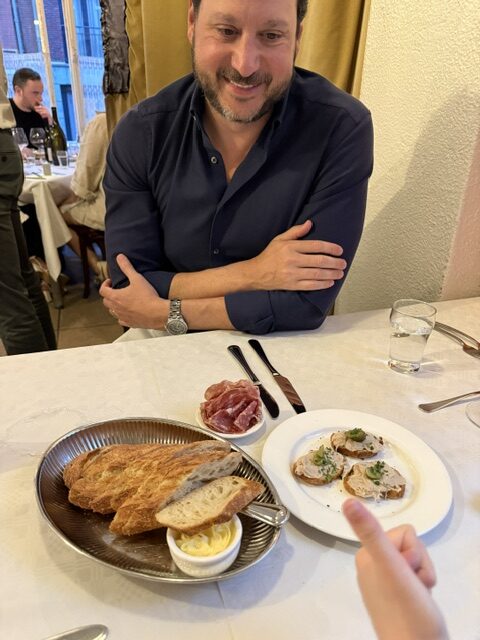
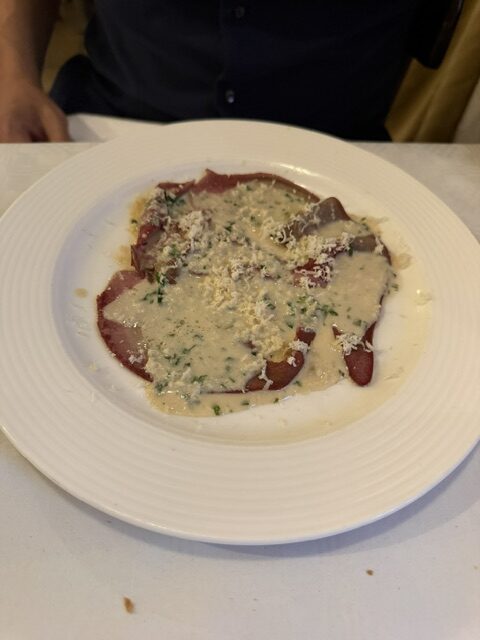
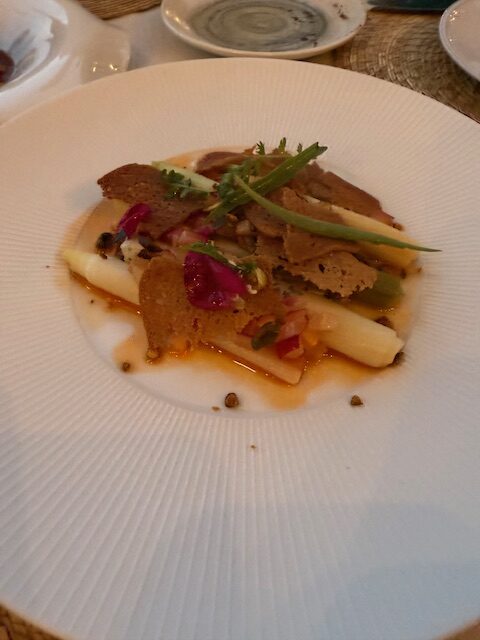
Jamil started with an incredible lamb tongue dish. I had a sea bass tartare, and Josephine got a Gouda croquette that she demolished almost immediately. For entrées, Jamil and Josephine both ordered Rijsel’s famous rotisserie chicken, which absolutely deserves its reputation. I ordered white asparagus with ham, which I learned is essentially a Dutch seasonal institution. Every dish felt deeply comforting while still being precise and elegant. We skipped dessert only because we were too full to continue.
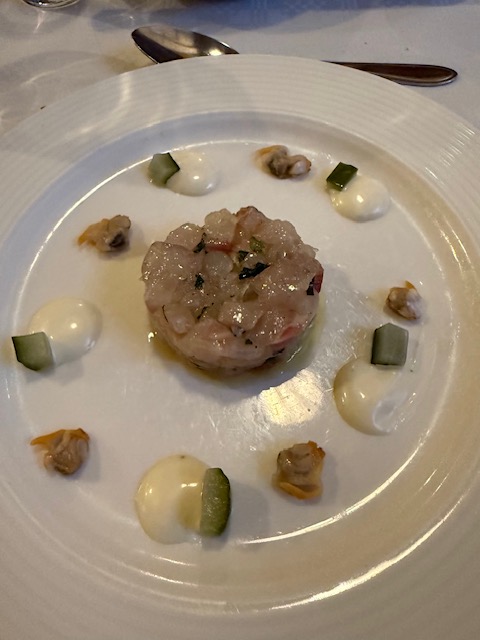
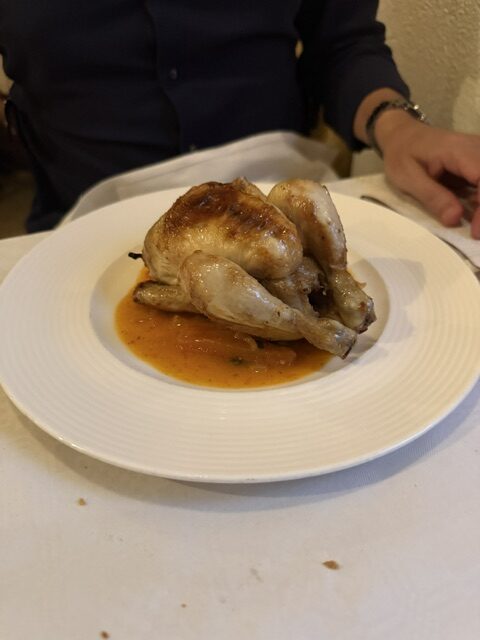
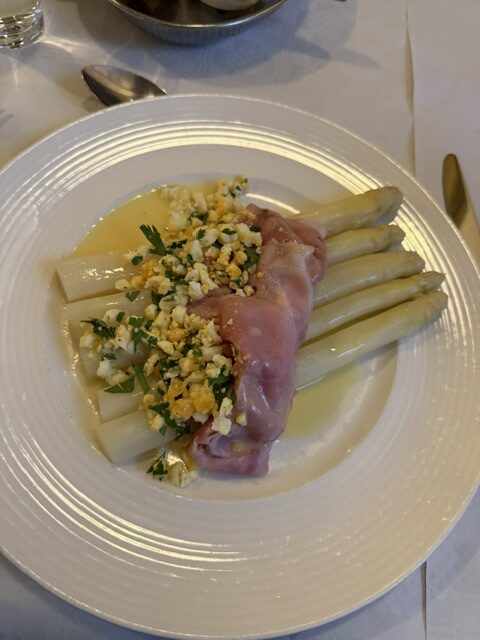
Our final memorable dinner was at Auberge, a relaxed brasserie that feels distinctly French in a Marais sort of way — stylish without trying too hard.
We started with asparagus and hollandaise sauce. I usually worry hollandaise will feel overly rich, but this version was airy and fluffy instead of heavy. I ordered skate with fried capers, which Josephine had never tried before, making for an unexpectedly adventurous parenting moment. Josephine had the boeuf bourguignon, which honestly ruined most American versions for us. It was lean, deeply flavored, and comforting without the greasy heaviness that sometimes weighs down the dish in the United States. Jamil ordered Dutch clams with fries, and I can confidently say those fries may have been the best I’ve ever eaten.
Fries should be battered. That is simply the truth.
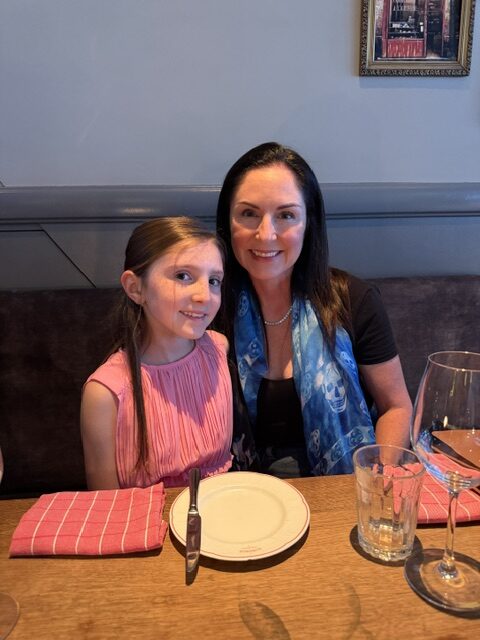
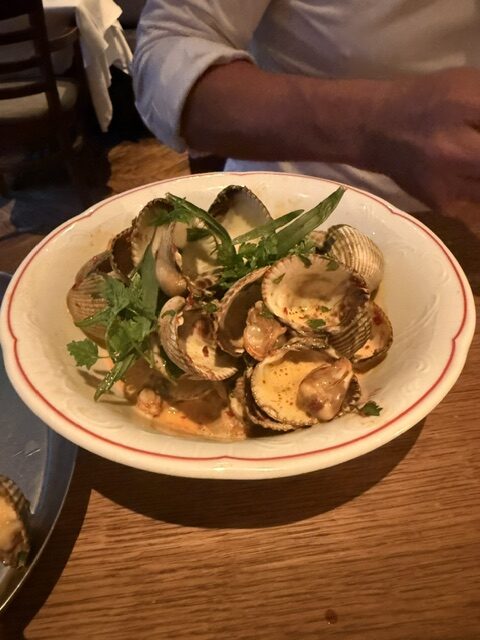
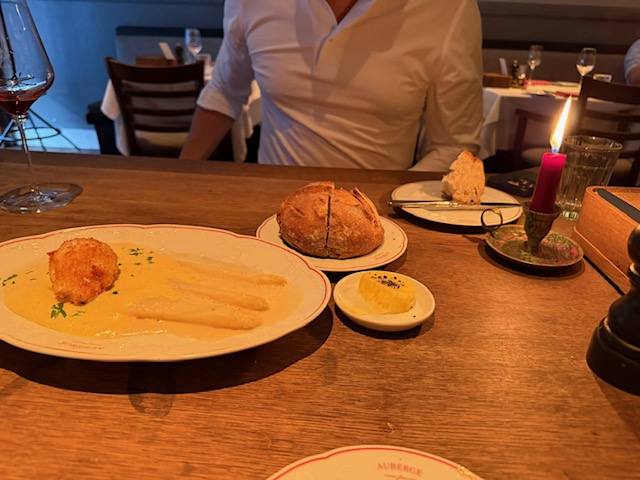
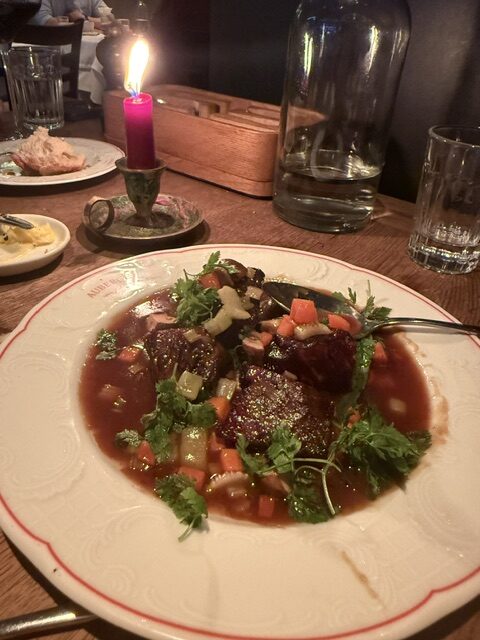
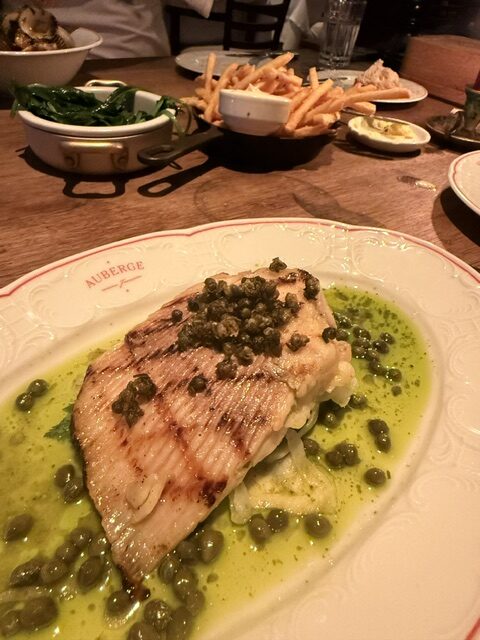
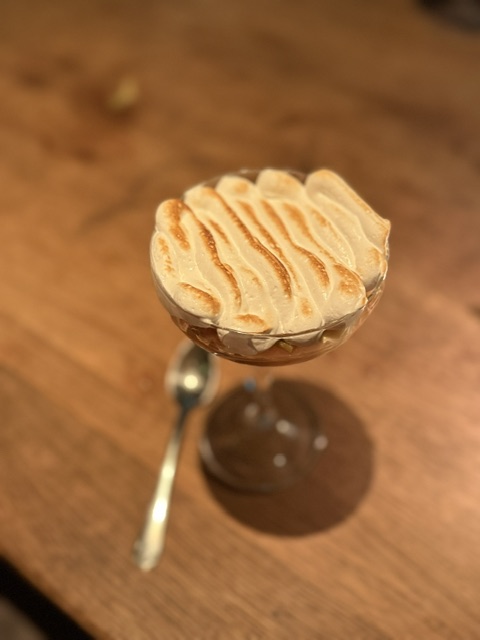
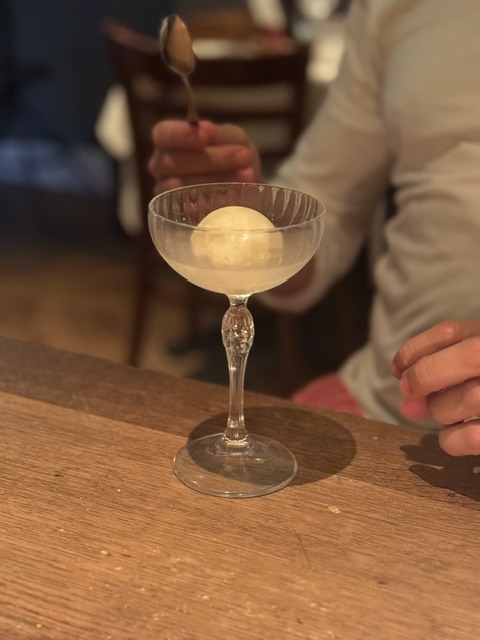
Amsterdam may be famous for canals, museums, and bicycles, but we left feeling equally impressed by how consistently good the food culture was. Nothing screamed for attention. The city just quietly delivers quality over and over again.
The Dutch Countryside by Bike!
May 31, 2026
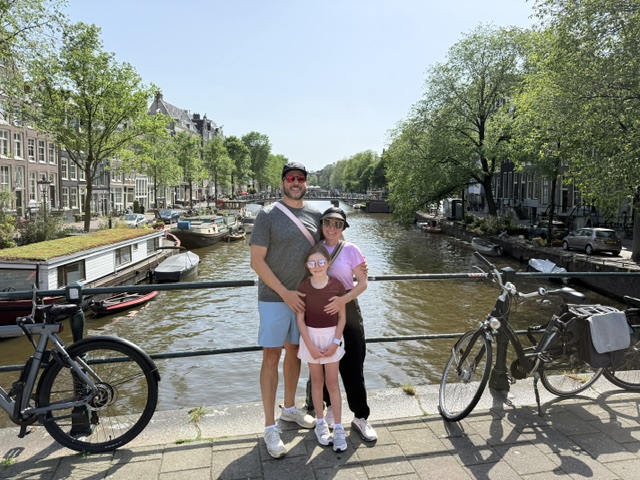
There may be no better way to understand Amsterdam than by bicycle.
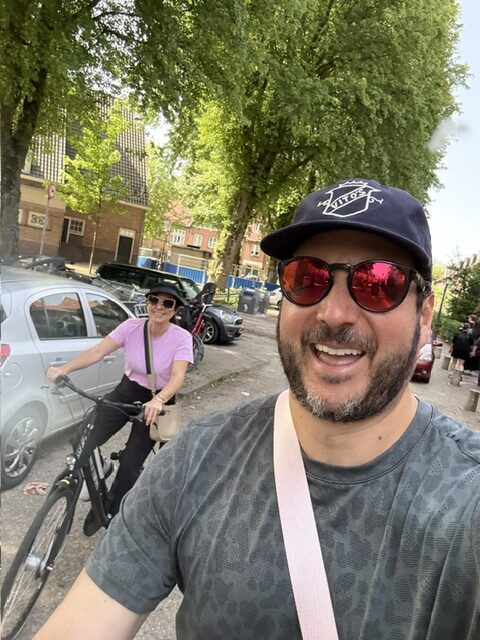
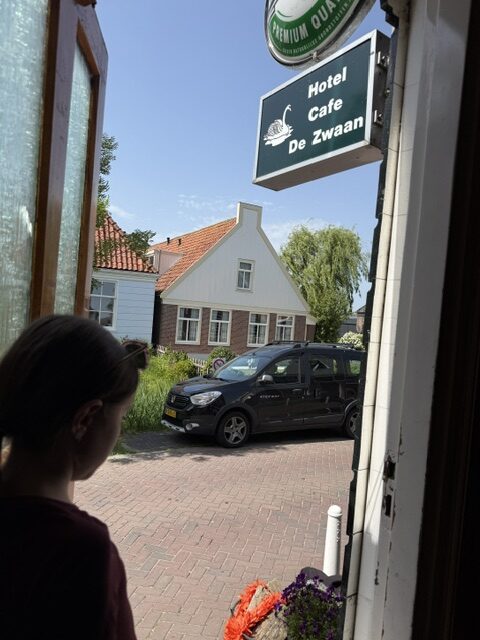
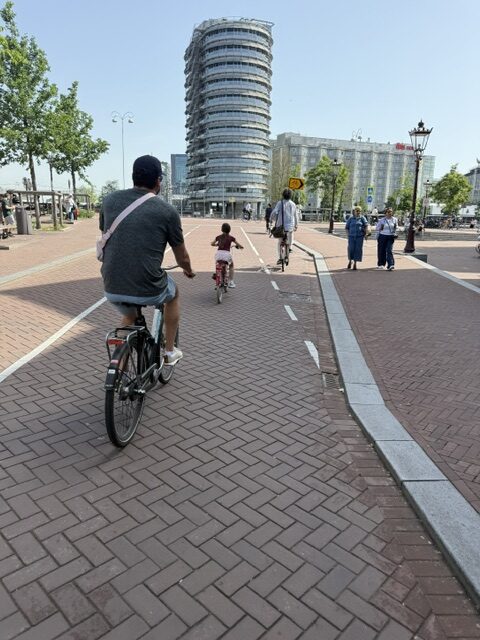
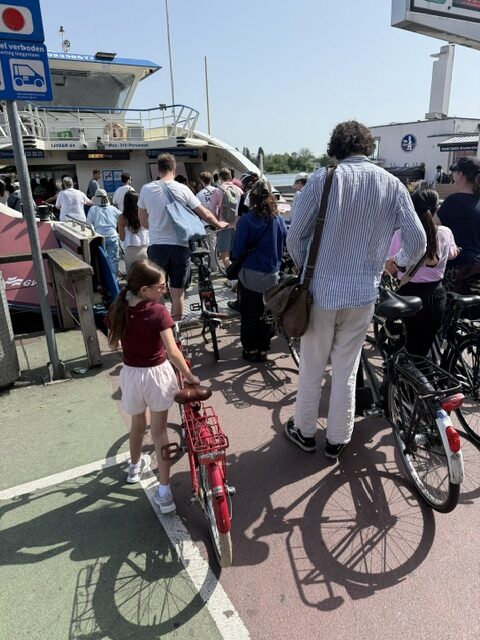
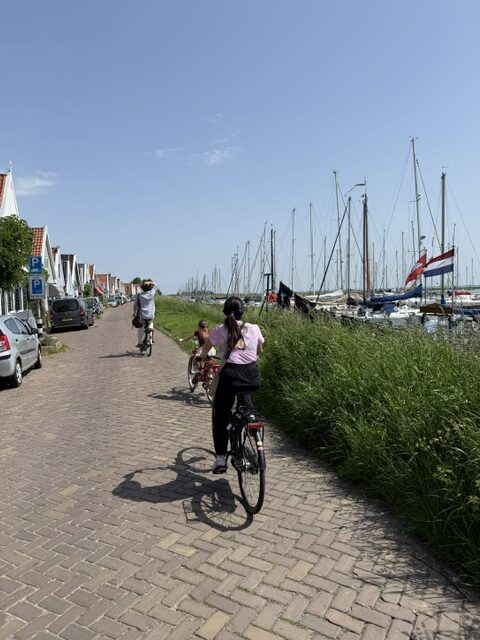
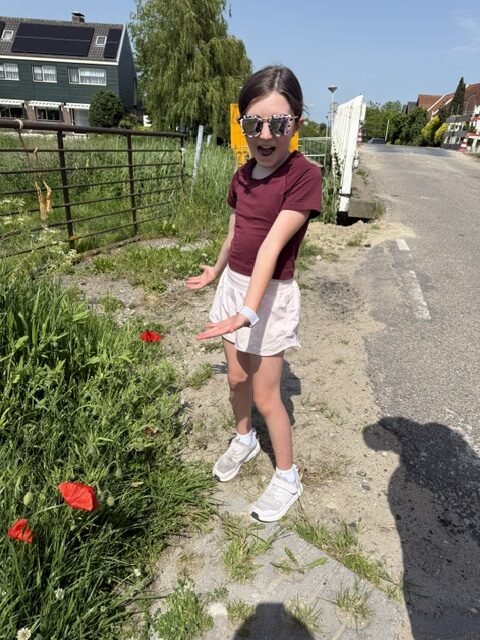
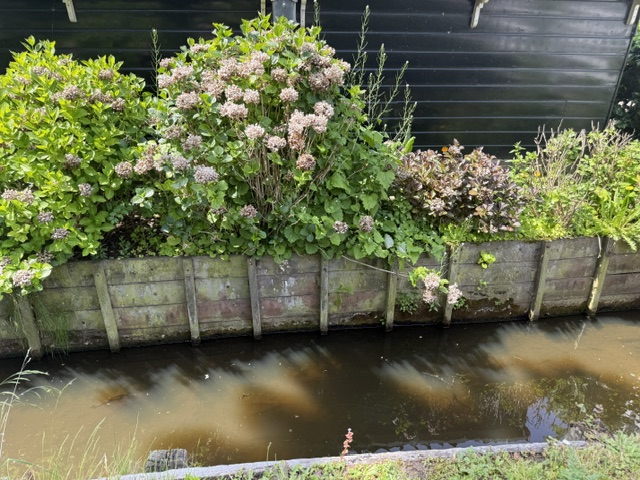
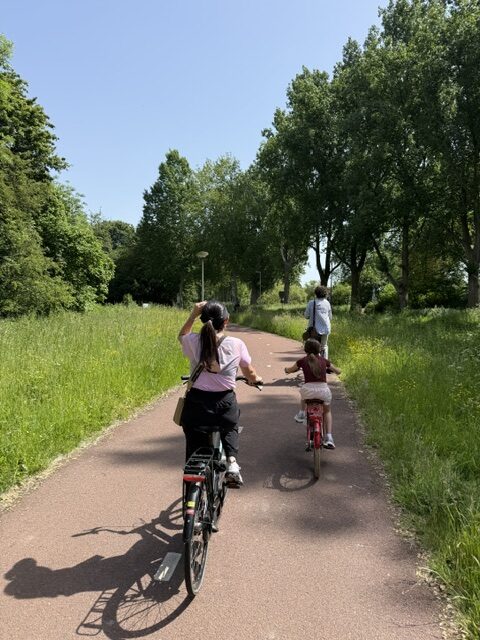
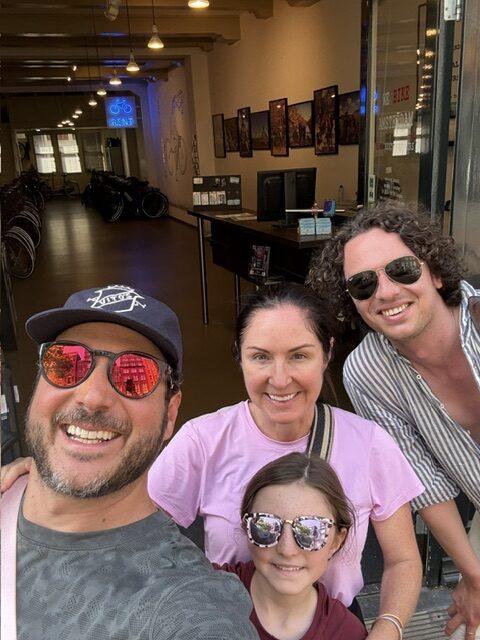
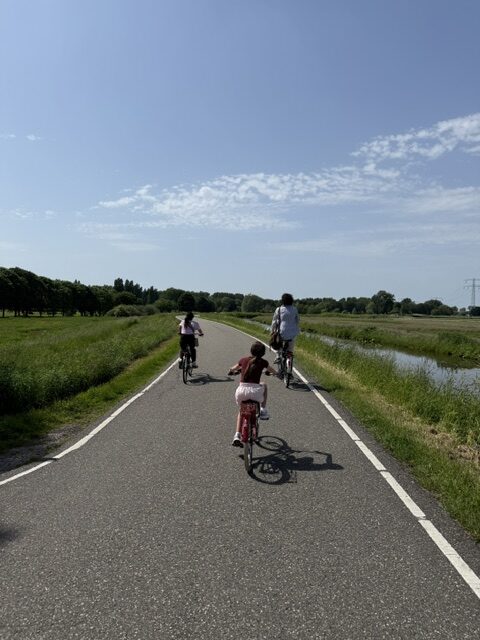
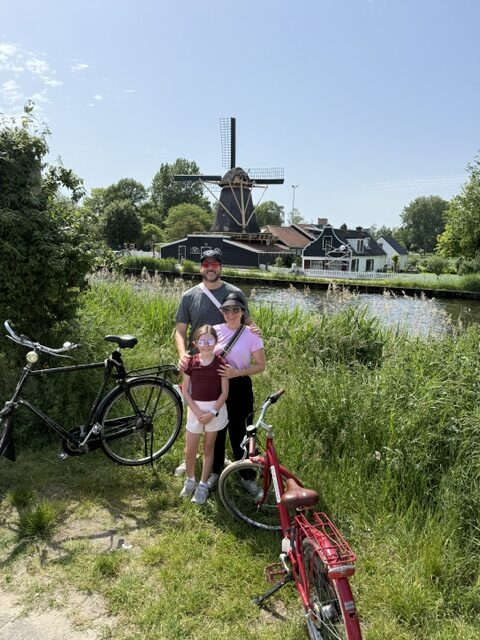
We spent the day riding about 35 kilometers from the city into the Dutch countryside with We Bike Amsterdam, and it ended up being one of the highlights of the trip. The terrain was mostly flat, but the ride still felt like an adventure as we followed narrow bike paths, crossed bridges, and glided along the famous dikes that have literally shaped the Netherlands. Every few kilometers brought another story about how the Dutch engineered an entire civilization around water.
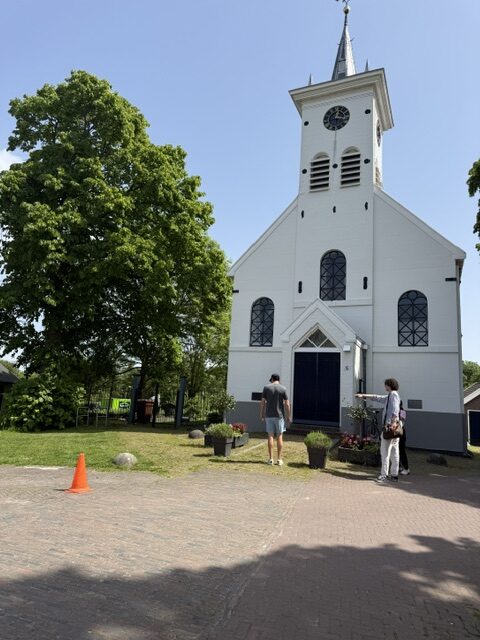
One of the most fascinating stops was a historic fishing village that once sat on open saltwater before the construction of the Afsluitdijk transformed much of the surrounding sea into freshwater. Our guide explained how the village changed once the water became brackish and fishing patterns shifted. It was one of those moments where geography, engineering, and history suddenly all clicked together.
We also learned that Amsterdam’s beautiful buildings are standing on surprisingly unstable ground. Much of the region sits on peat, which is soft, wet, and constantly shifting. To keep buildings upright, generations of Dutch builders drove enormous wooden beams deep into the earth to create foundations. In a way, entire forests disappeared beneath the city just to hold Amsterdam up.
That engineering mindset seems to define the Netherlands. Nothing about the landscape feels accidental. The dikes, canals, locks, and reclaimed land all reflect centuries of persistence against the sea. In some ways, the Dutch are already centuries ahead in the global warming conversation because they have been battling rising water, flooding, and land management since the country’s inception. While much of the modern world is only beginning to think seriously about resilience and water control, the Netherlands has been refining those systems for generations.
One thing that felt very strange to us as Americans was the near-total absence of bike helmets. People of all ages — business professionals, grandparents, teenagers, parents carrying multiple children — ride everywhere without them. At first it seemed reckless, but it quickly became clear that the reason is infrastructure and culture. Bikes genuinely have the right of way in many situations, drivers expect them, and the entire transportation system is designed around keeping cyclists safe. It still felt weird to us, though, especially weaving through Amsterdam traffic without the defensive mindset that comes naturally in the United States.
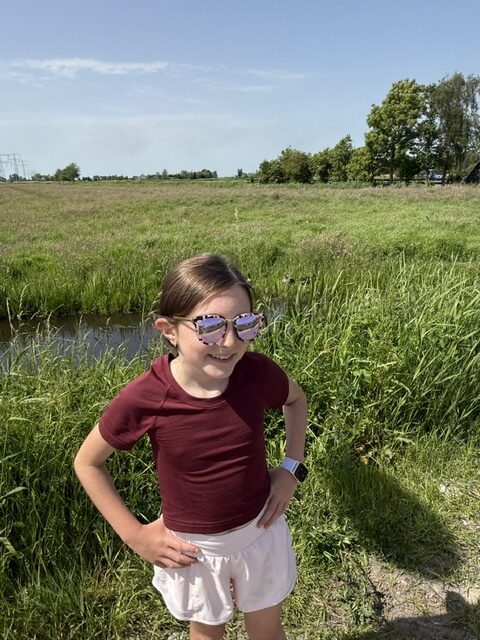
The ride itself was wonderfully relaxed. We stopped only briefly for a grilled cheese sandwich for Josephine and a few historical explanations along the route. Otherwise, we just kept pedaling through green fields, tiny villages, grazing sheep, and endless water views. The countryside felt calm and open in a way that contrasted perfectly with Amsterdam’s busy canals and museums.
Josephine handled the ride like a pro. Fortunately, she had already been preparing for Dutch cycling culture thanks to all the biking she’s done in Florida. Thirty-five kilometers is no joke for a nine-year-old, but she powered through it with only the expected end-of-day exhaustion.
What makes cycling in the Netherlands so special is not just that people ride bikes — it’s that the entire country is designed around them. Protected bike lanes aren’t a novelty. They’re simply infrastructure. Families ride together, older couples cruise through villages, commuters carry groceries on cargo bikes, and children pedal independently without anyone thinking twice about it.
By the end of the day, we were tired in the satisfying way that comes from spending hours outdoors seeing a place at human speed. You notice more on a bicycle. You hear more. You stop more easily. And in the Netherlands, you start to understand why the bike is not just transportation — it’s part of the culture itself.
Our Immersive Plunge into Amsterdam!
May 25, 2026
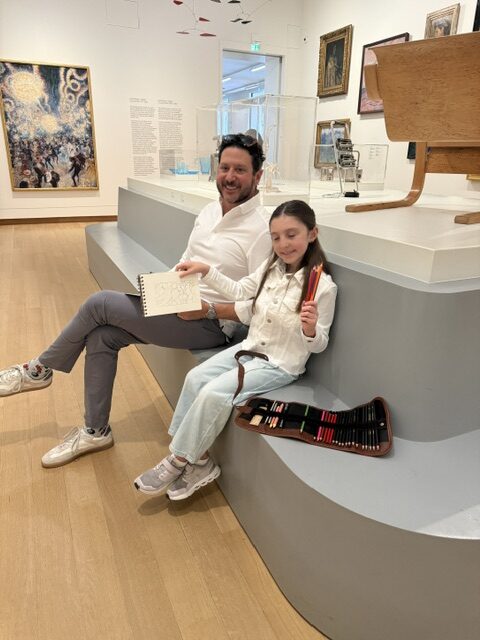
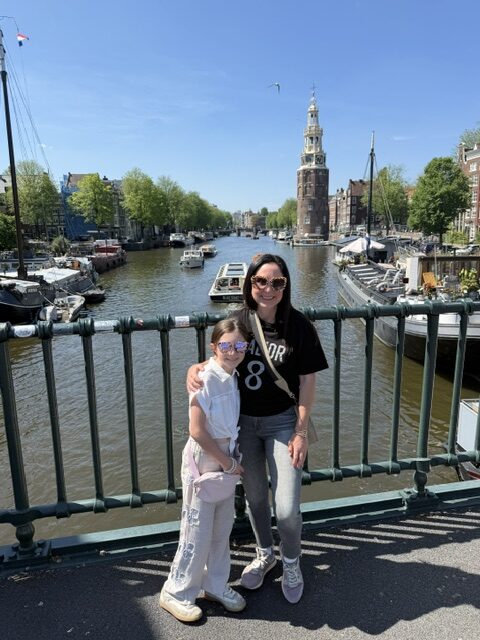
We arrived in Amsterdam at 9:30 AM yesterday and somehow immediately launched into a museum marathon. We arrived exhausted and underfed, but completely in love with this city.
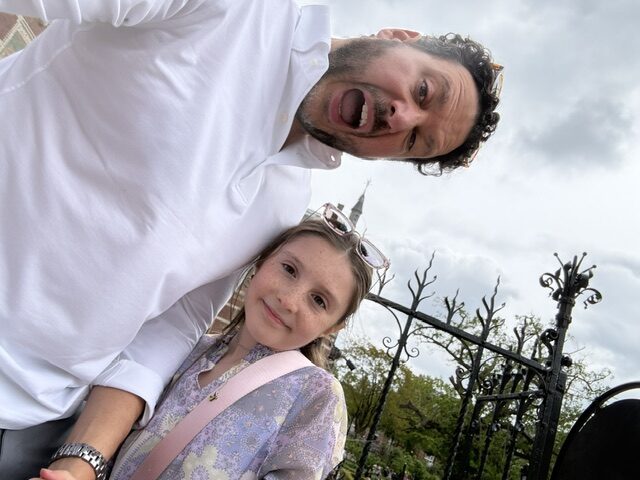
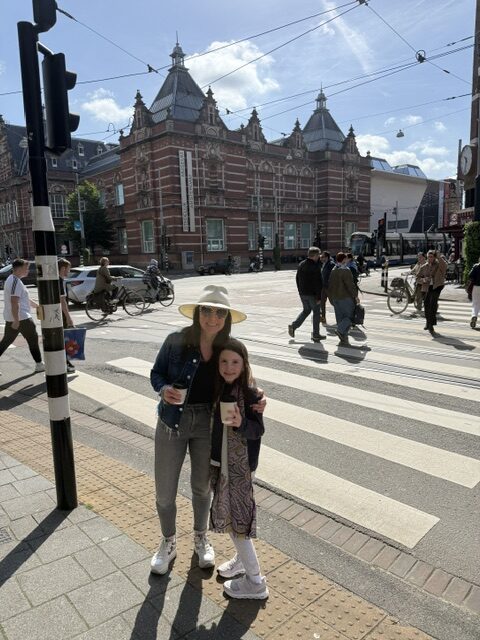
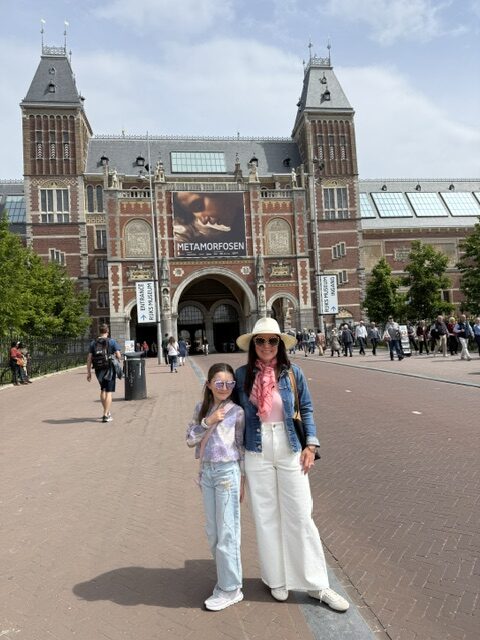
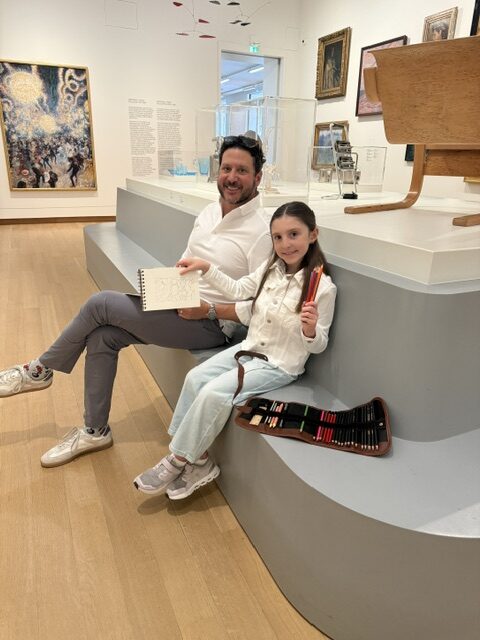
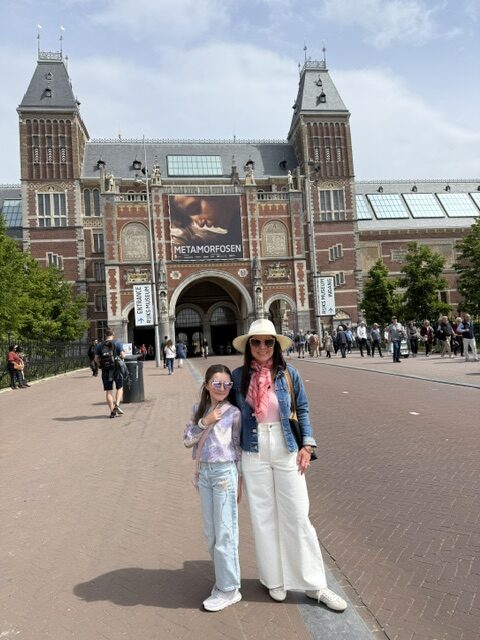
Our first stop was the Rijksmuseum, where we learned an important travel lesson: buy tickets only through the official website. I accidentally bought ours through a very convincing “.org” site and paid almost double. Apparently, this is a thing here because many of the major museums sell out in advance. Consider yourselves warned.
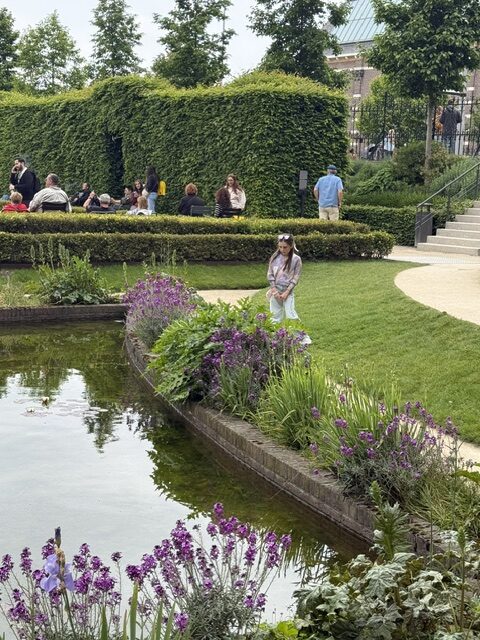
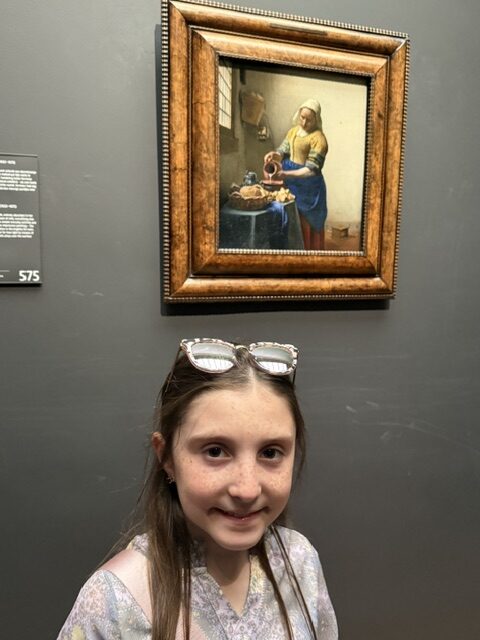
The museum itself absolutely lived up to the hype. The Rijksmuseum is basically the crown jewel of Dutch art and history, filled with masterpieces from the Dutch Golden Age, including Rembrandt’s The Night Watch and Vermeer’s The Milkmaid. Josephine especially loved the Rembrandts. Honestly, standing in front of The Night Watch is one of those moments where you understand why certain paintings become world-famous. It’s enormous, dramatic, chaotic, and somehow still feels modern almost 400 years later. They’re even restoring it publicly right now through something called “Operation Night Watch,” so you can actually watch conservators working on it behind glass while you walk through the gallery.
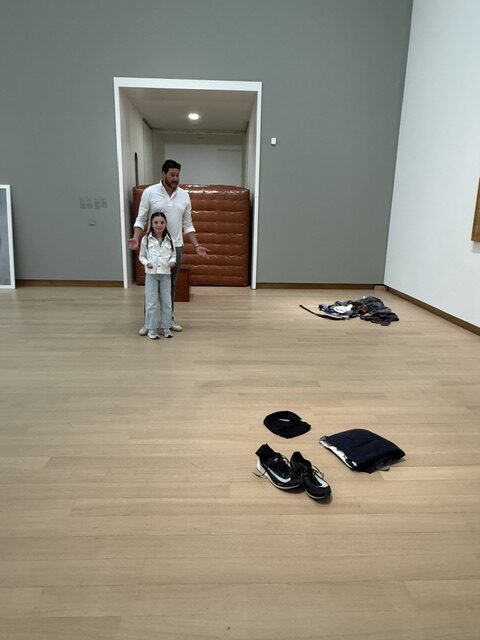
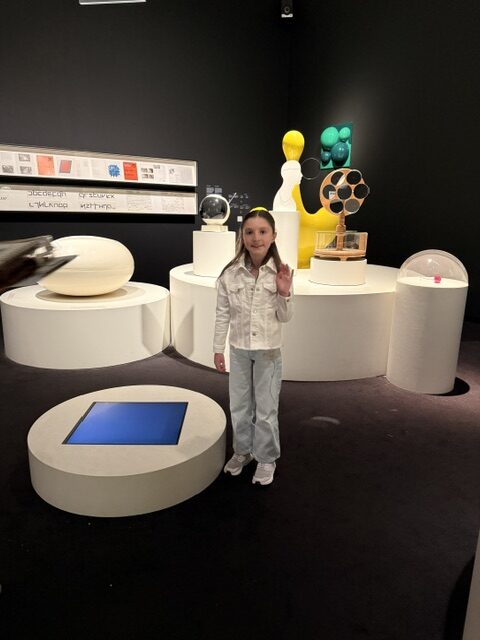
We also visited the Stedelijk Museum, Amsterdam’s modern and contemporary art museum. It was definitely more abstract and experimental — the kind of place where some people are inspired and others stare at an installation thinking, “Wait, is this the art?” Josephine was not fully sold. I thought it was fascinating.
Lunch on day one was sandwiches from Cora. Josephine hated them. We would still recommend it.
Today we somehow squeezed in four more museums.
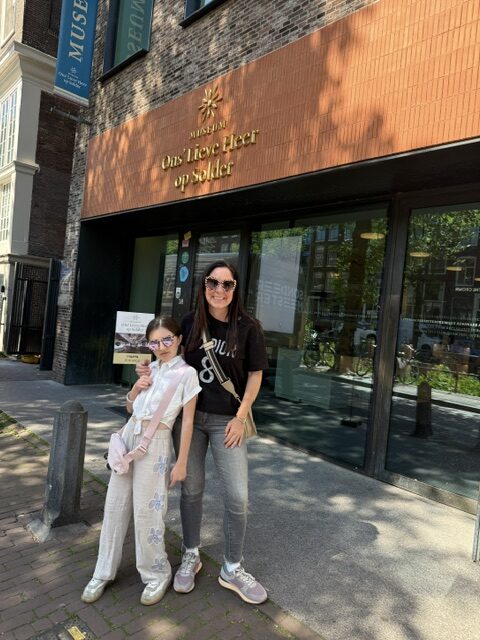
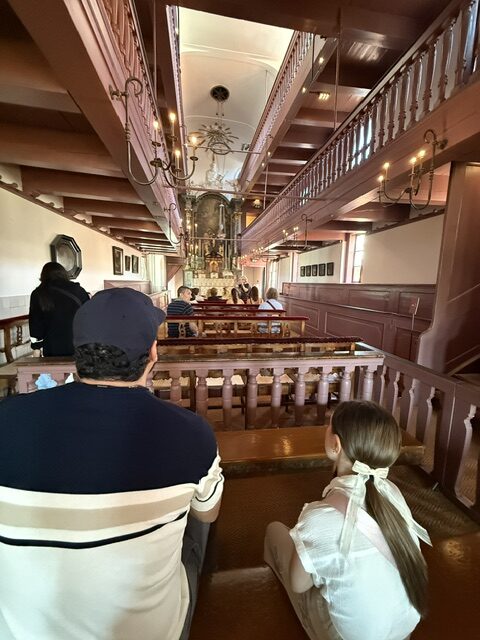
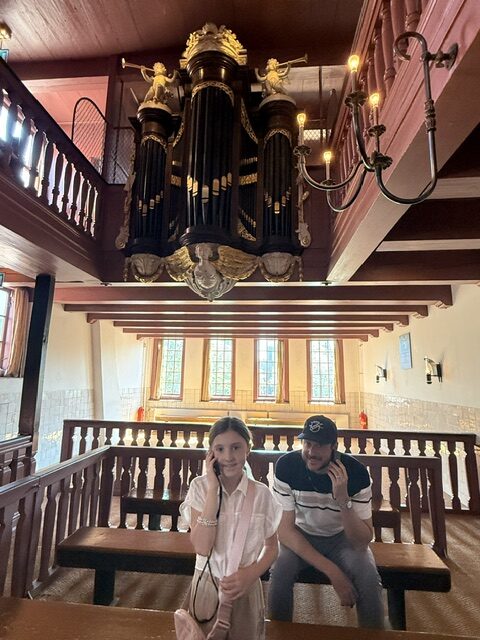
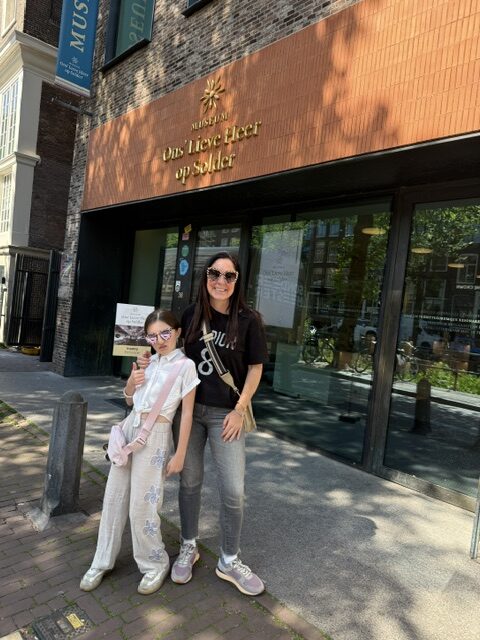
Our Lord in the Attic may have been the biggest surprise of the trip so far. From the outside it just looks like a narrow canal house, but hidden inside is an entire secret Catholic Church built into the attic during a time when Catholics weren’t allowed to worship publicly. It was way cooler than expected and one of those places that makes Amsterdam’s history feel incredibly alive.
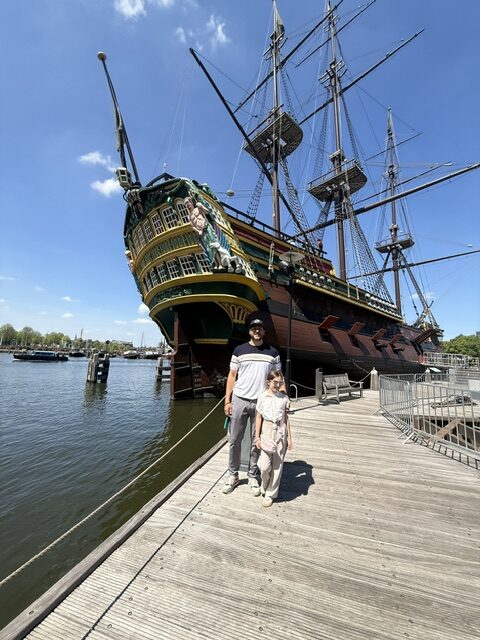
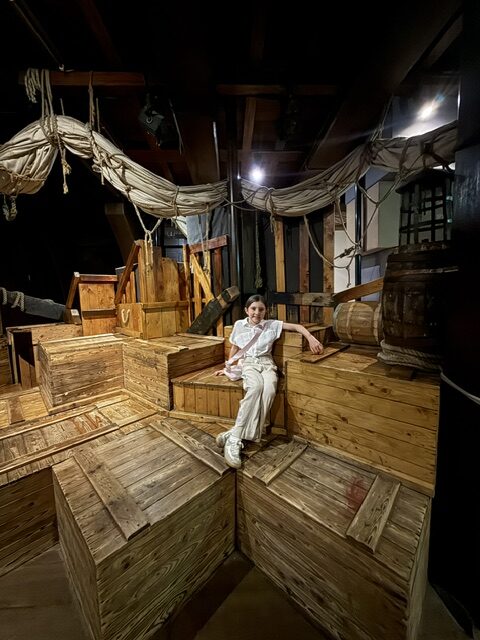
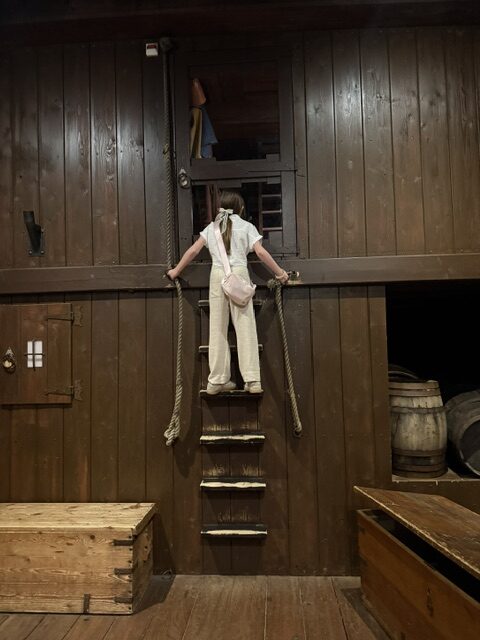
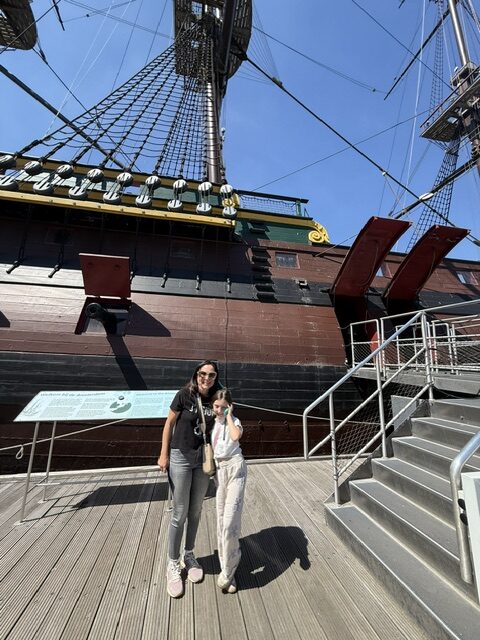
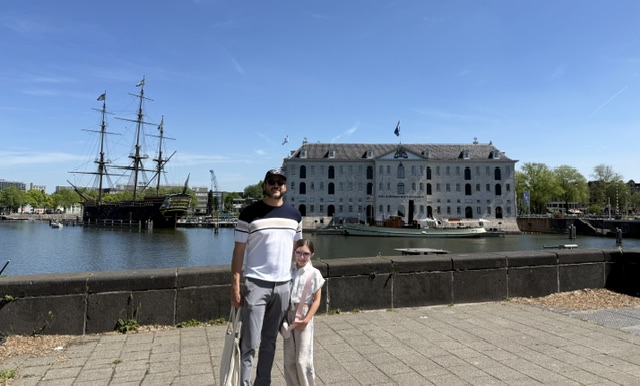
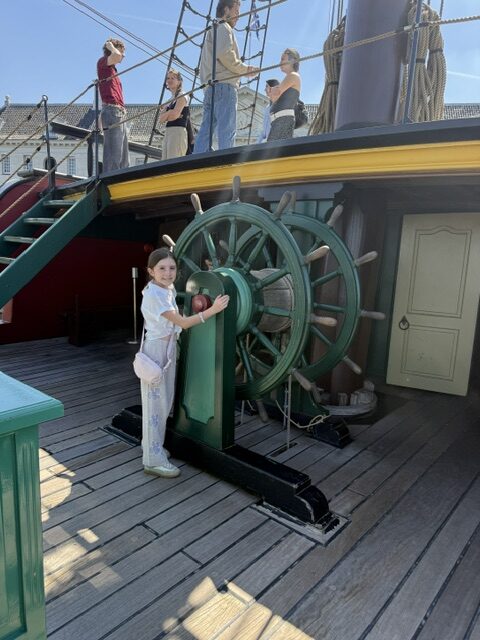
The Maritime Museum was also fantastic, especially with kids. The replica Dutch East India Company ship alone is worth visiting — you can climb all over it and immediately understand how terrifying long-distance sea travel must have been centuries ago. The museum also had a ton of hands-on exhibits and activities for children.
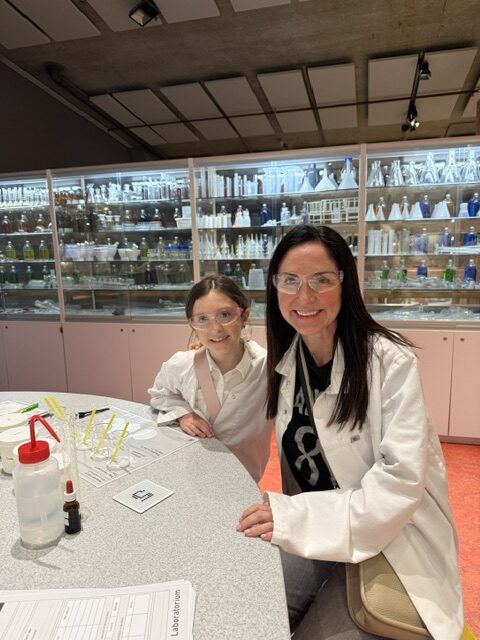
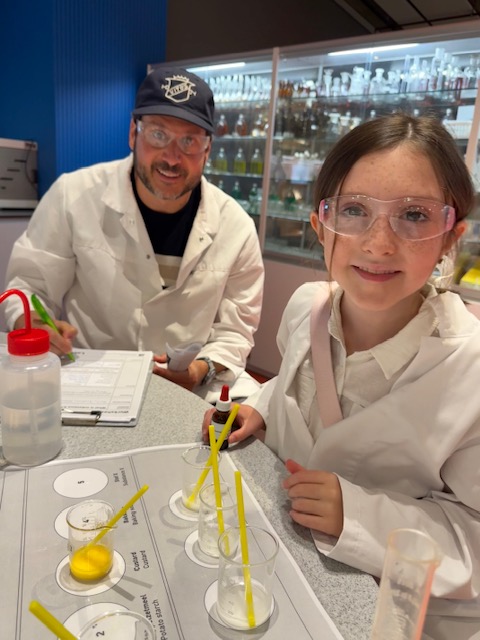
Then we went to the science museum, NEMO, which was incredible. Easily one of the best science museums we’ve visited. We spent hours doing experiments, testing engineering concepts, and playing with all sorts of real-world investigations. It’s basically designed to let kids touch everything, which makes it way more fun than the average “look but don’t touch” museum experience.
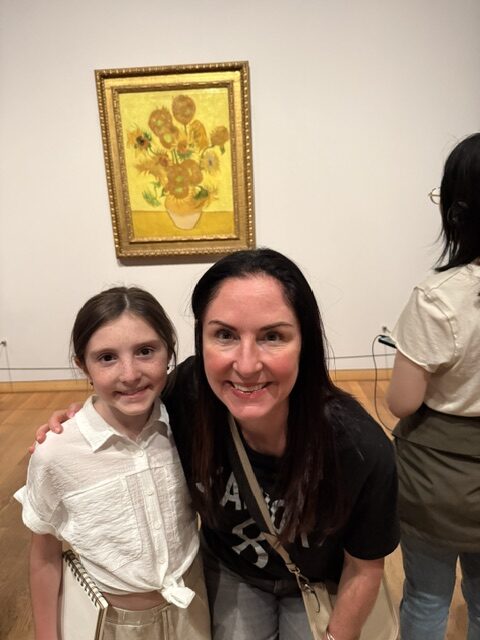
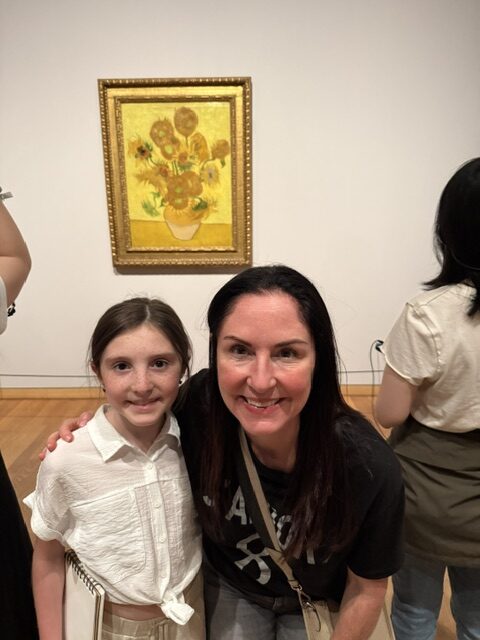
And finally, the Van Gogh Museum. Incredible. Seeing the sunflower paintings in person was surreal. You never realize how textured and vibrant they are until you’re standing a few feet away from them. The museum does an amazing job walking you through Van Gogh’s life chronologically, so by the end it feels less like you visited an art museum and more like you spent a few hours inside someone’s mind.
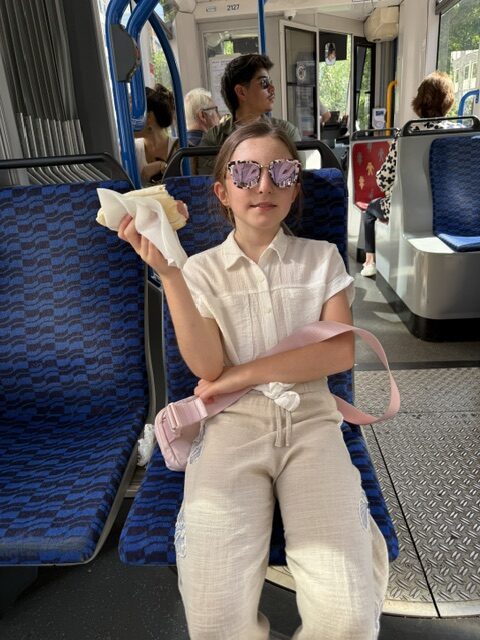
Sadly, day two also featured another disappointing lunch — this time a hot dog from a stand outside the train station. Amsterdam may not be winning us over on quick meals.
But the weather has been perfect, the people have been unbelievably friendly, and the city somehow manages to feel historic, relaxed, and alive all at once. We absolutely love Amsterdam.
Getting Sick Abroad: Then and Now
March 11, 2026
I have two very different memories of getting sick in Europe.
The first was in 1999.
I was in Germany with my parents, and all of us developed sinus infections at the same time. I cannot remember ever feeling that miserable. We went from pharmacy to pharmacy, learning the hard way that European pharmacies don’t stock the same medications Americans rely on. There was no NyQuil. No magical cold-and-flu aisle. And although I’m fairly certain we needed antibiotics and real medical attention, we never managed to see a doctor.
It felt helpless.
Fast forward twenty-five years.
This time, I was the mom.
The Travel Pivot
The trouble actually started before the sickness.
We boarded our flight in Houston without a single hiccup. Not late. Not rushed. Everything smooth. And yet, midair, we received notice that we would land in Frankfurt an hour late — just enough to miss our connection to Venice.
Lufthansa offered to reroute us through Vienna, landing in Venice close to midnight.
That sounded miserable.
We were dreaming of that first Italian dinner — candlelight, pasta, something celebratory. So, from 30,000 feet, I did what I do: I pivoted.
I found a flight to Milan and booked a driver to take us straight to Venice. It wasn’t cheap. It wasn’t convenient. But it got us there — and honestly, it made for a memorable start to the trip.
By the time we arrived at The Gritti Palace in Venice, we were exhausted but relieved.
And then Josephine said she was cold.
UGH, It’s Not Jet Lag
Of course she was cold. It was freezing outside.
I ran her a warm bath.
She got out shivering.
Not dramatic shivering — uncontrollable, teeth-chattering, in-tears shivering.
Jamil and I told ourselves it was jet lag. Travel fatigue. A long day. We bundled her up and headed to dinner anyway, thinking if we could just get some pasta in her, she’d sleep like a dream.
We barely made it through appetizers.
She was throwing up in the bathroom before the entrees arrived.
We abandoned our plates and rushed back to the hotel.
Her fever was 103.
Her throat hurt.
This wasn’t jet lag.
This was strep.
How Much Has Changed Since 1999
Here’s the good news: access to medical care abroad has changed dramatically in the last two decades.
Telemedicine is incredible.
Instead of wandering city streets searching for the equivalent of NyQuil, we opened our laptops.
We tried one service first — AirDoctor — and it was, frankly, not great. The physician wasn’t especially kind and didn’t seem to fully grasp what was going on.
But then we tried DoctorsinItaly. And that changed everything.
We were connected with Dr. Thor Ferreira da Cruz, who was calm, thorough, and reassuring. He assessed Josephine quickly and confirmed what we suspected. Antibiotics were arranged easily. The entire process — consultation included — cost less than 30 euros.
Less than 30 euros.
On Day Three, Jamil started showing symptoms too. Same diagnosis. Same efficient care.
If You Ever Find Yourself in a Pickle
If you’re traveling in Europe and need a doctor quickly, I cannot recommend Dr. Ferreira da Cruz highly enough. He can assist patients in any European country via telemedicine. Just go to DoctorsinItaly.com and book an appointment.
Eating in Provence
February 02, 2026
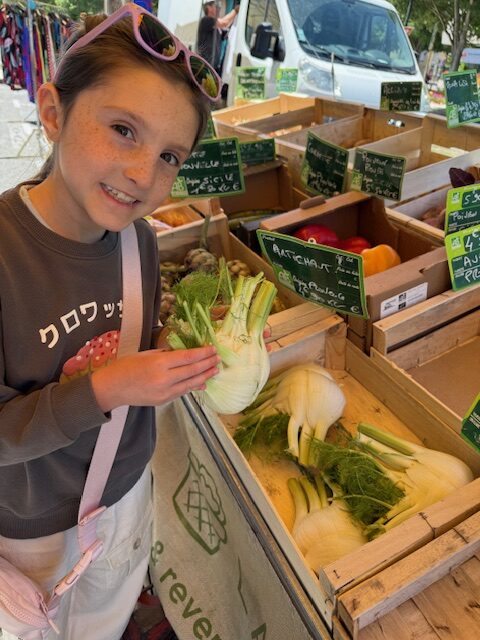
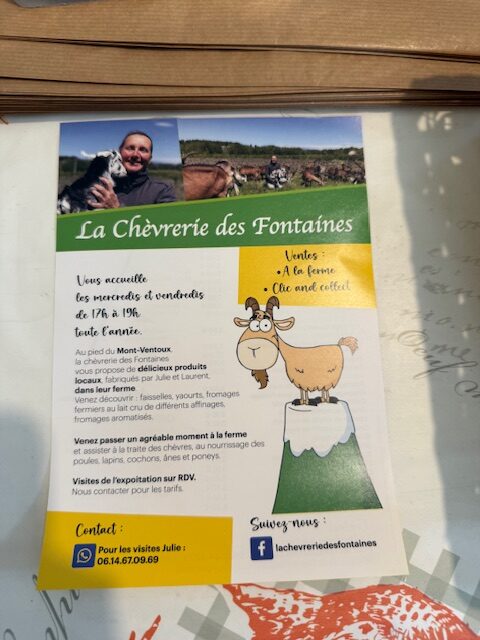
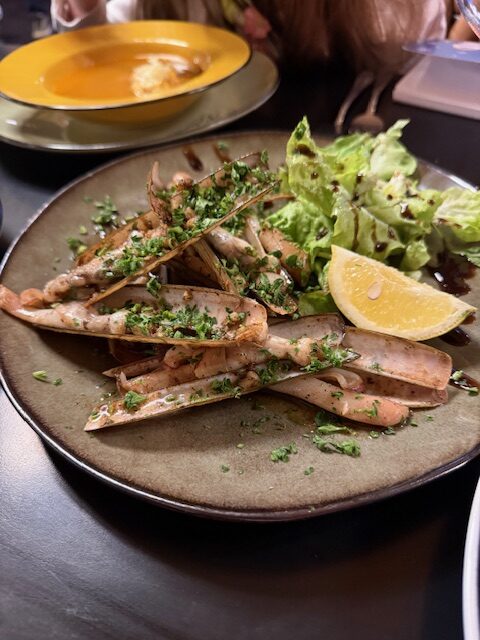
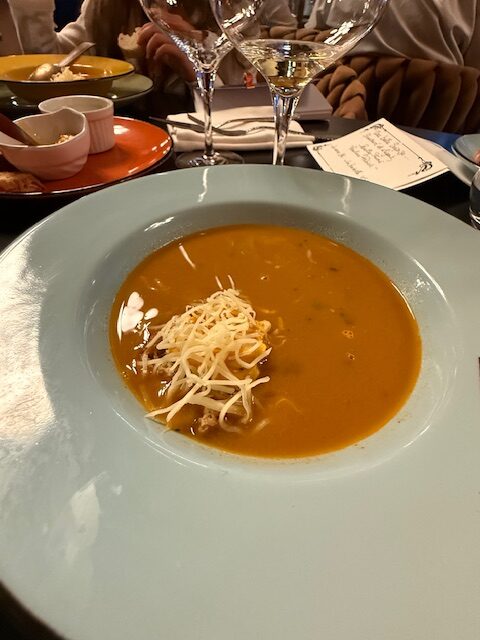
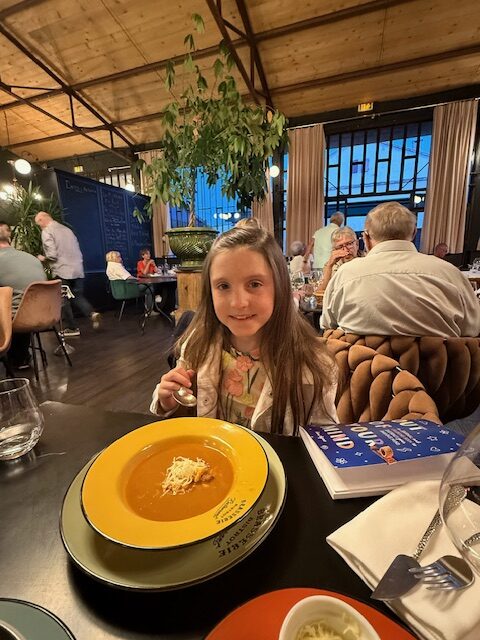
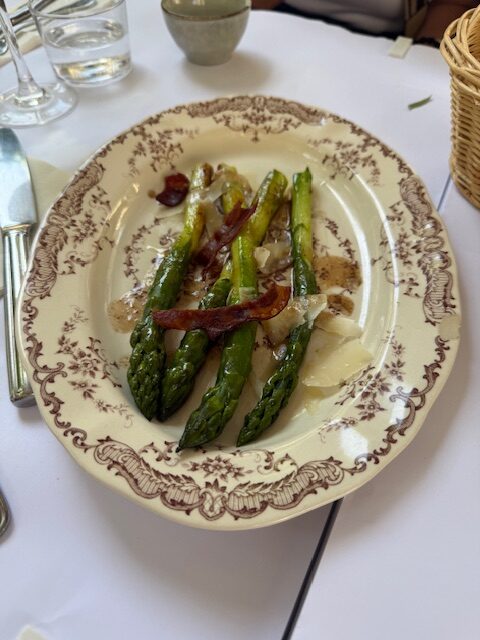
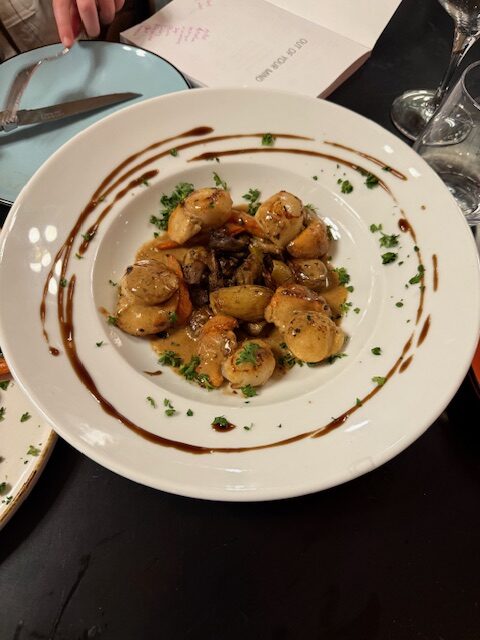
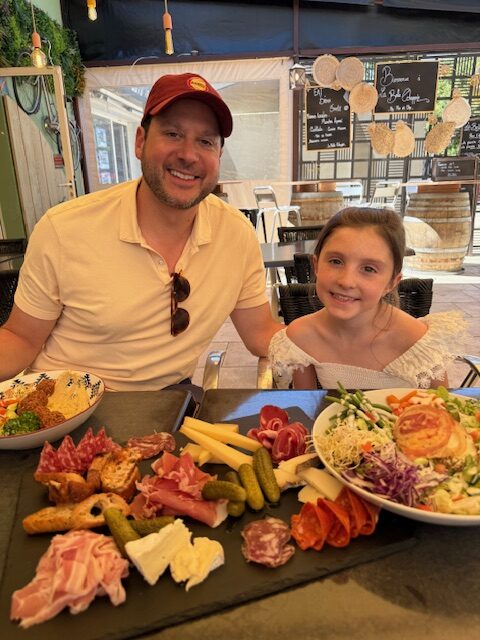
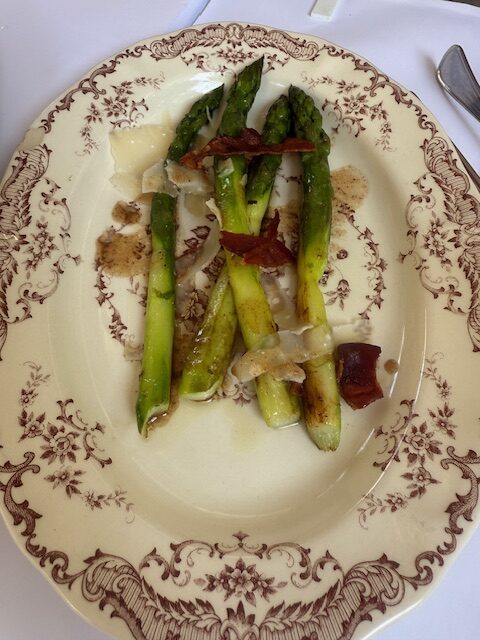
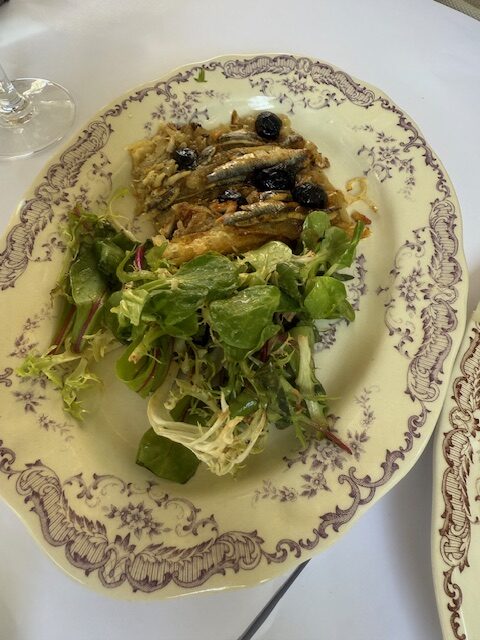
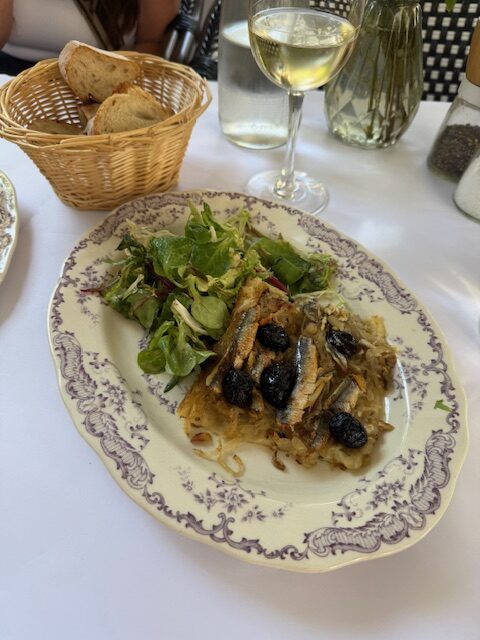
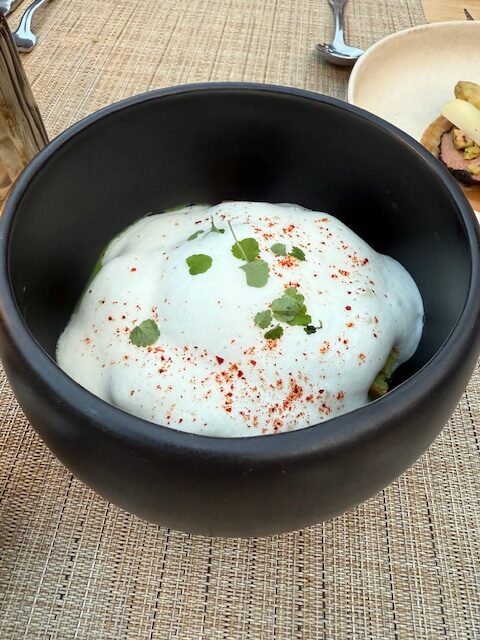
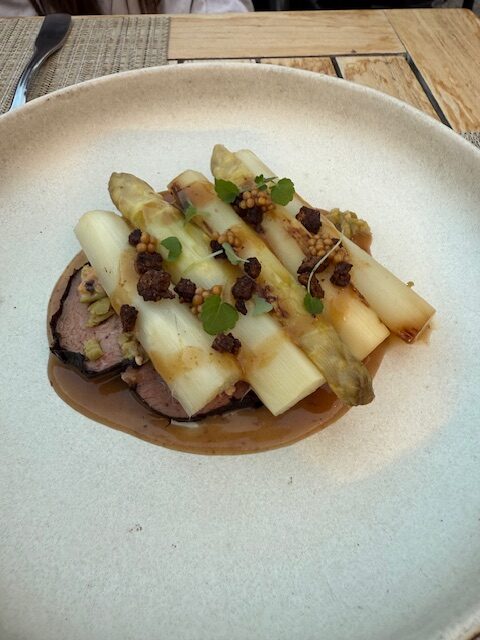
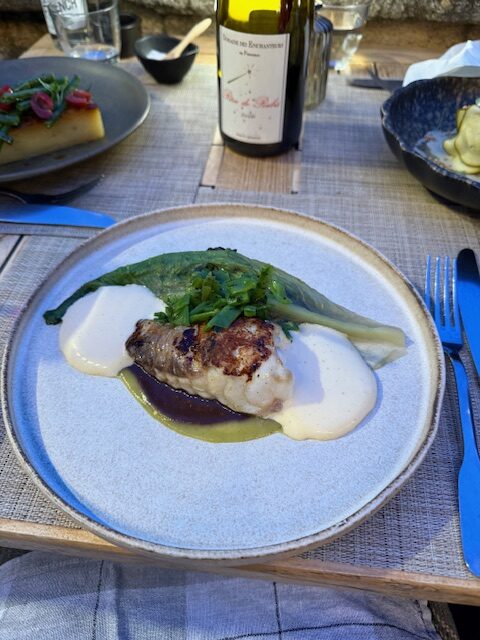
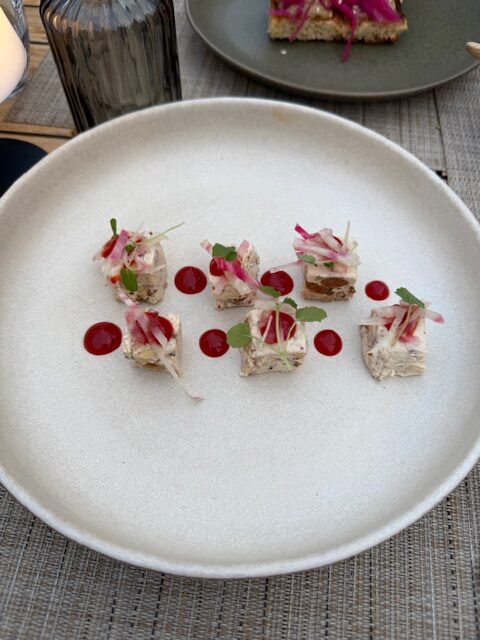
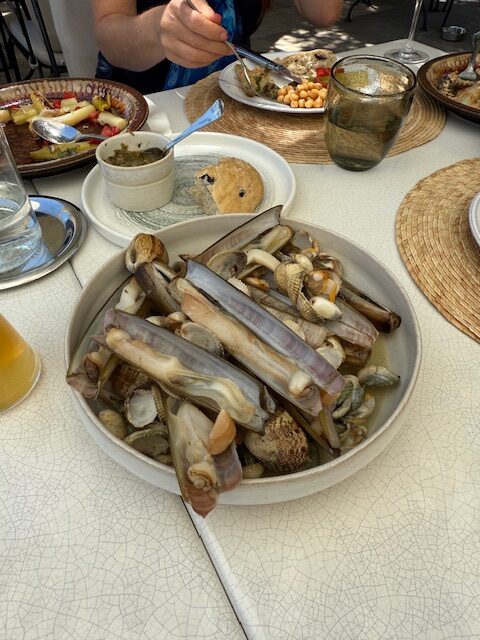
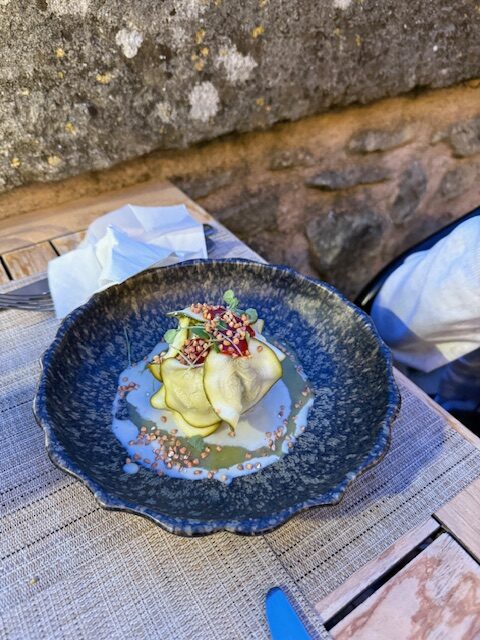
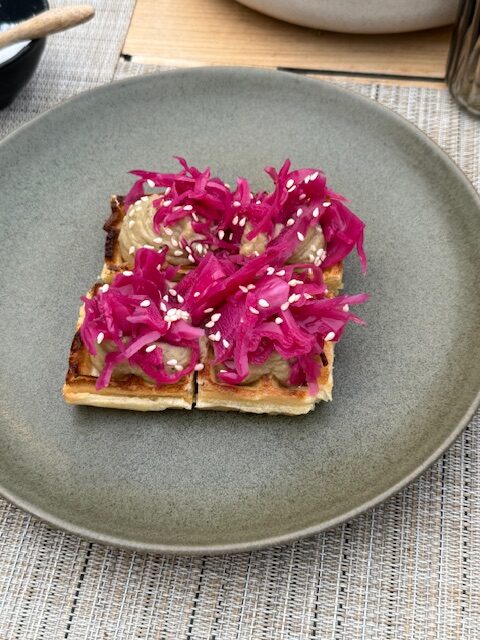
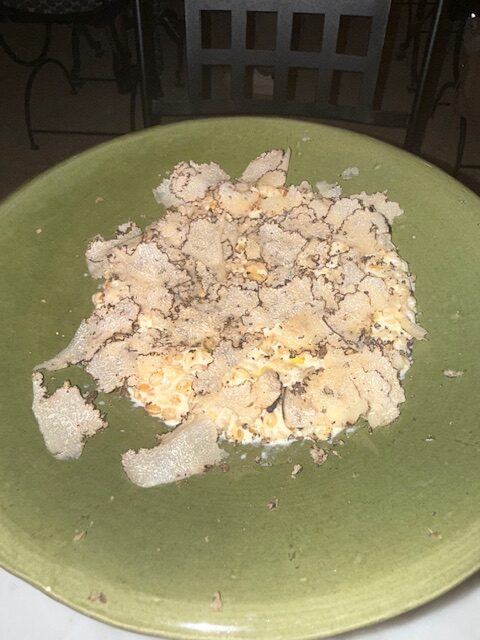
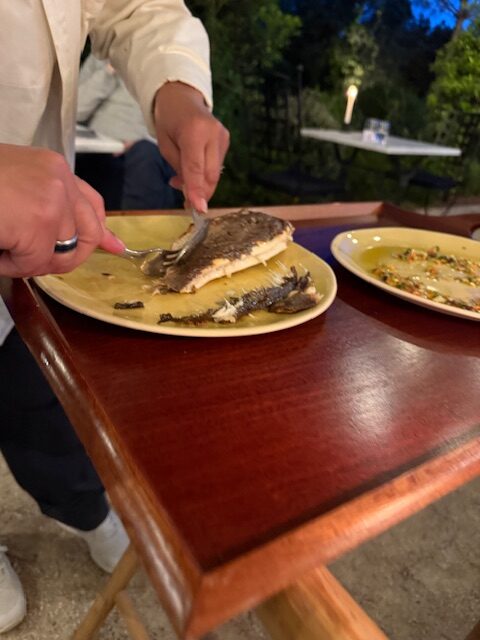
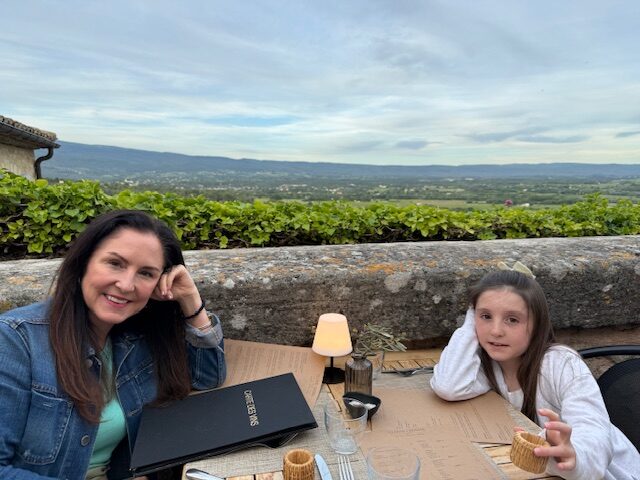
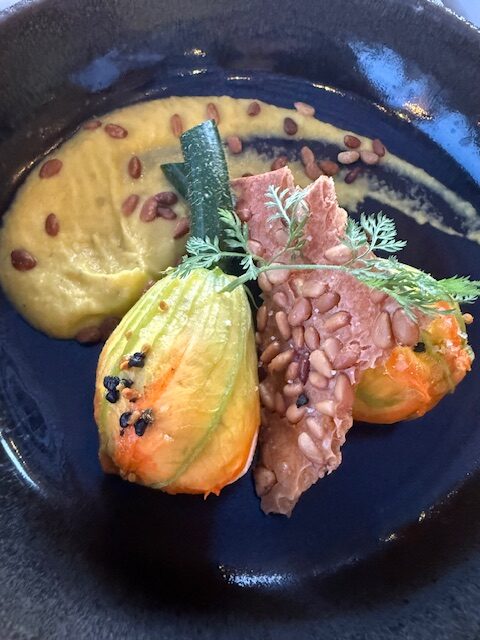
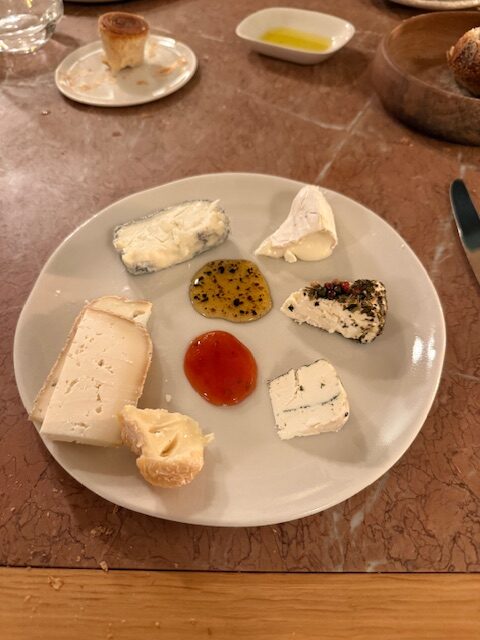
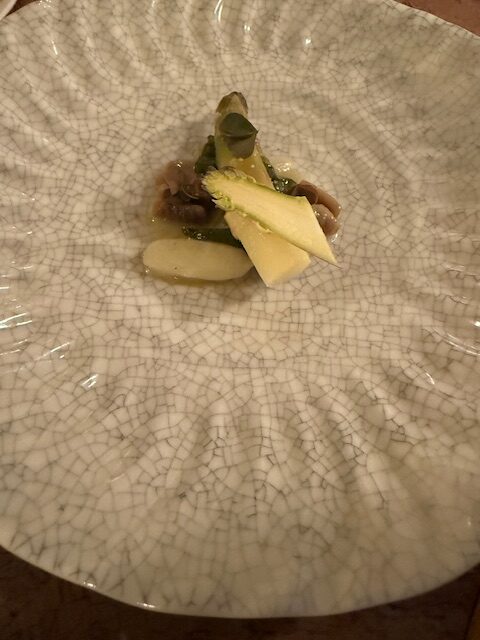
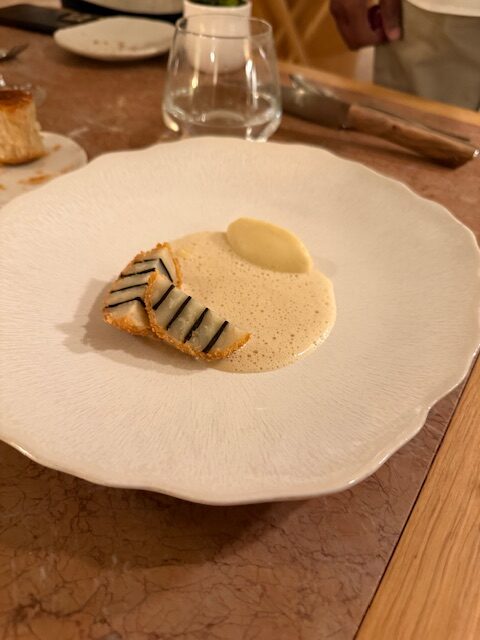
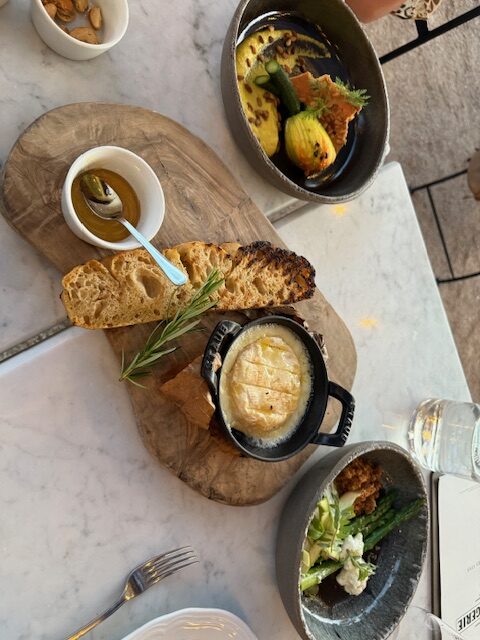
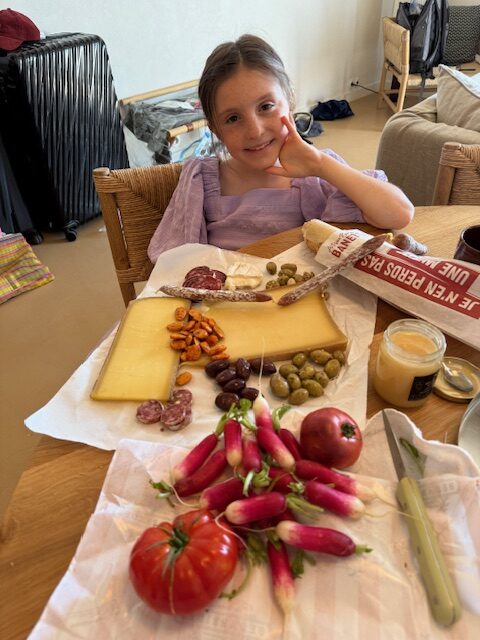
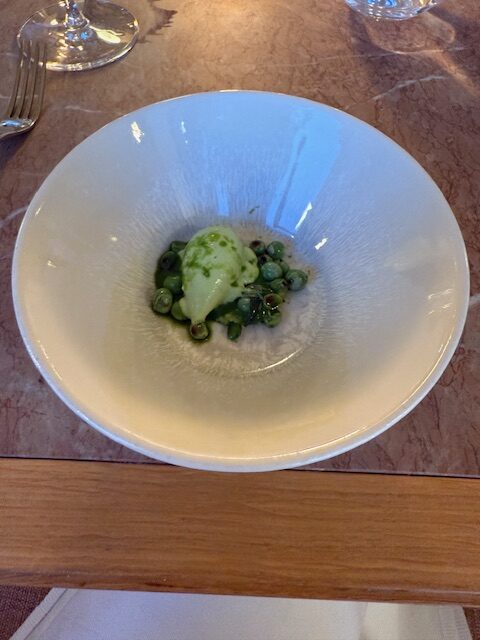
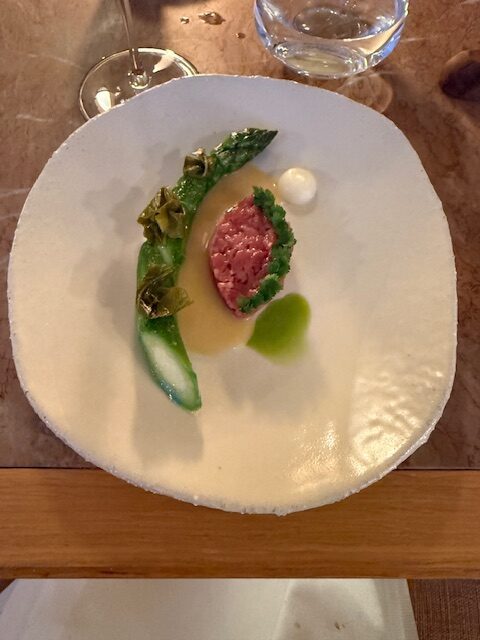
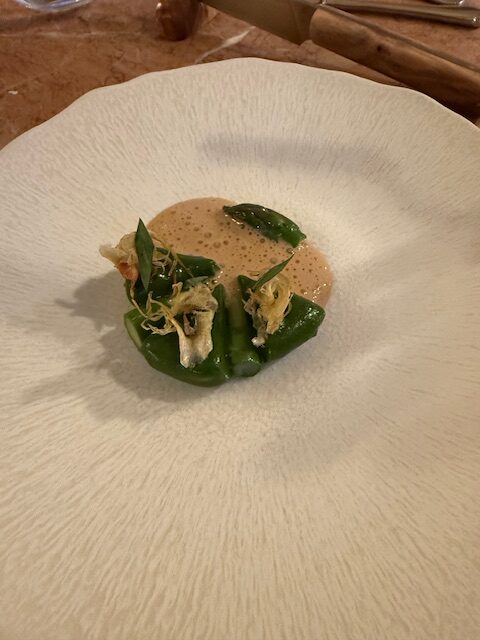
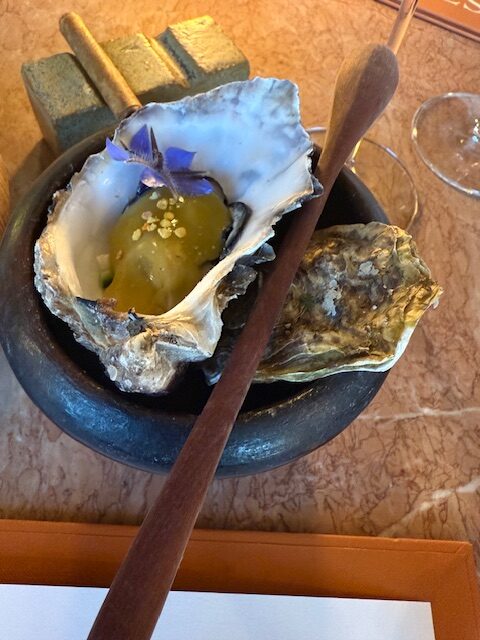
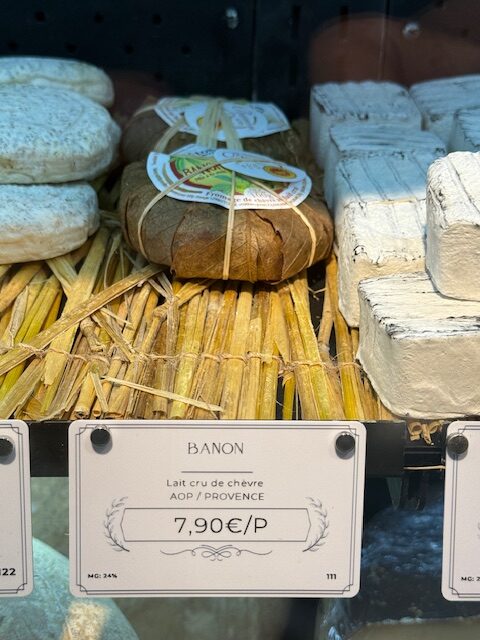
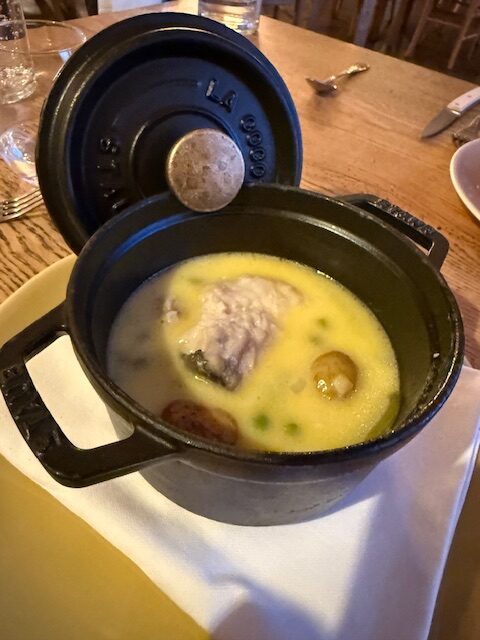
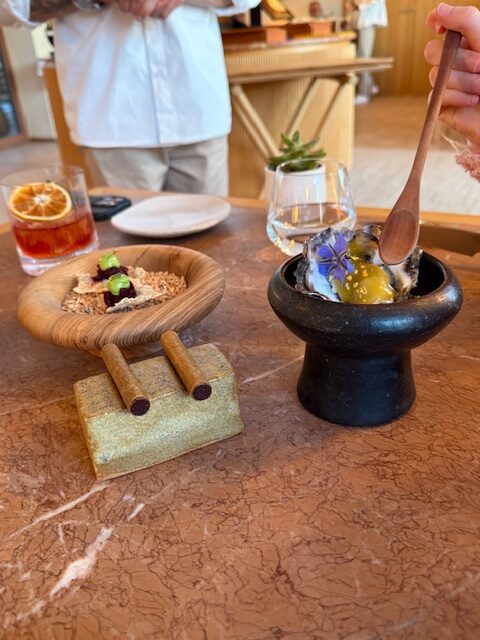
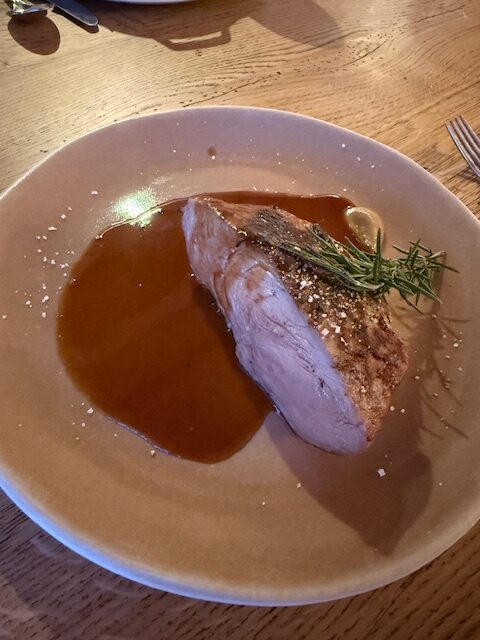
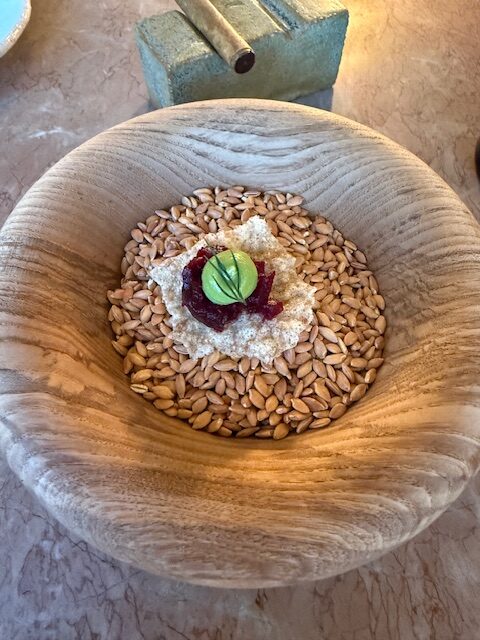
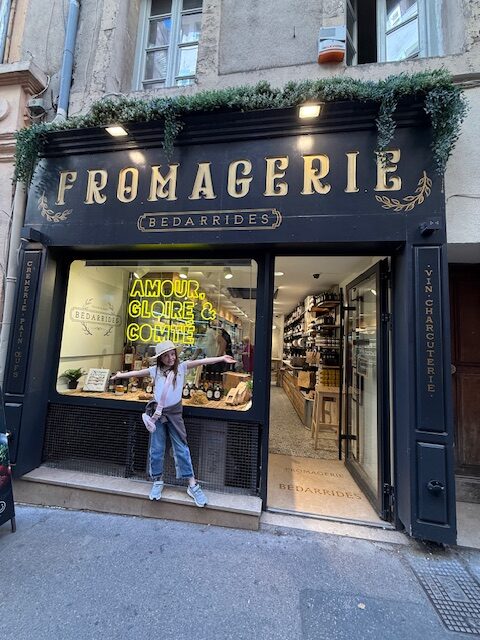
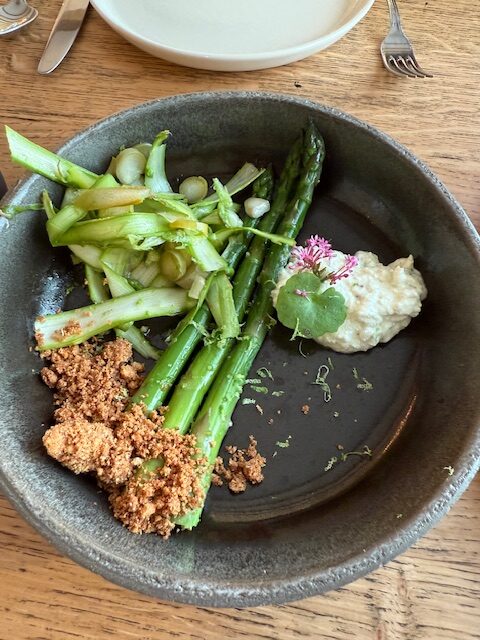
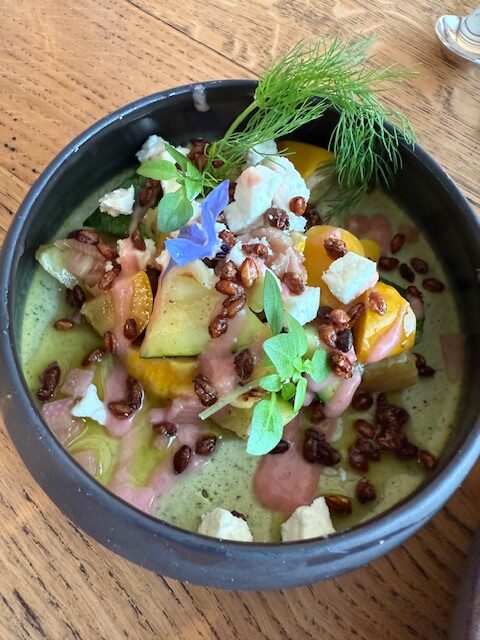
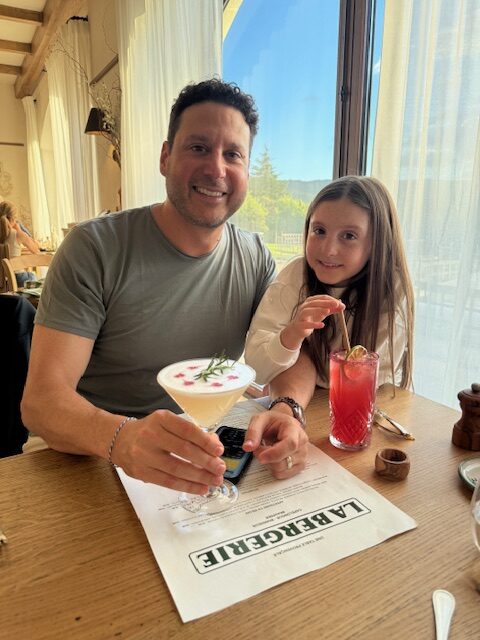
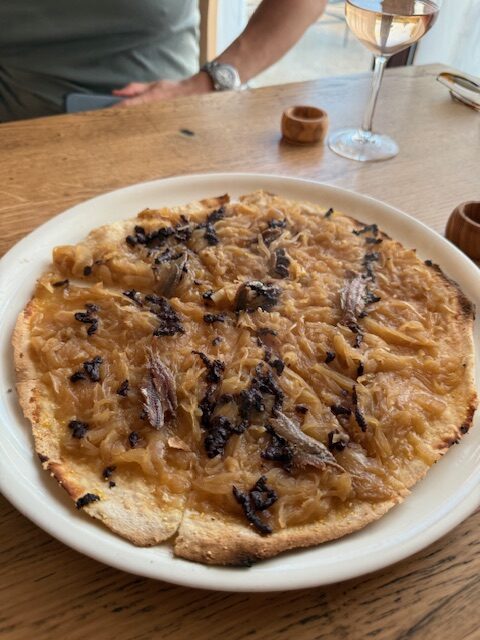
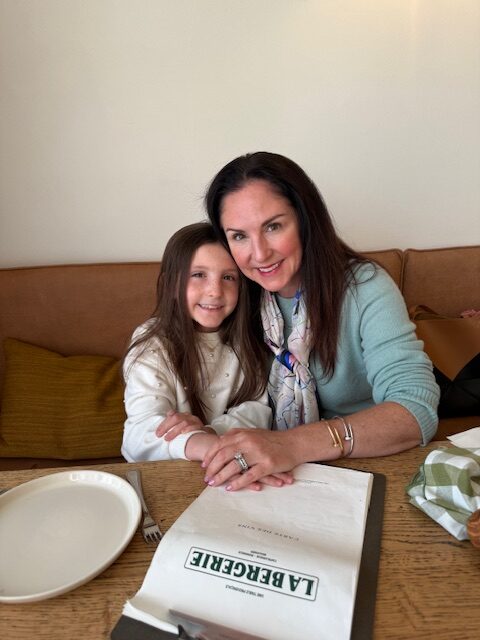
I don’t have to tell anyone that the food in France is phenomenal, but the quality and variety of ingredients make me wax poetic. I want to tell you all about each and every dish, but the details don’t really matter. What matters is how it affected Josephine and us.
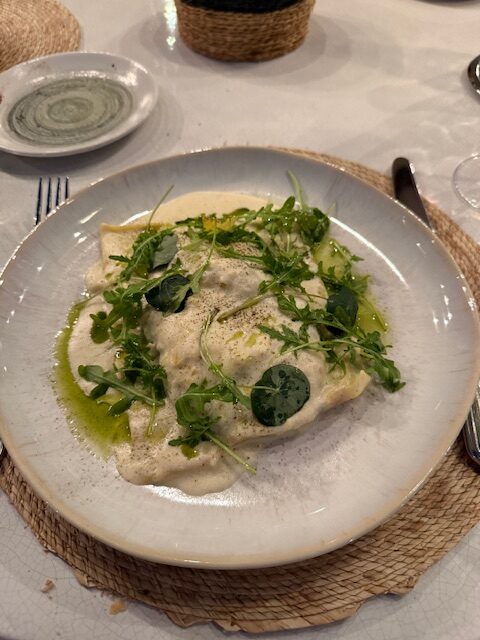
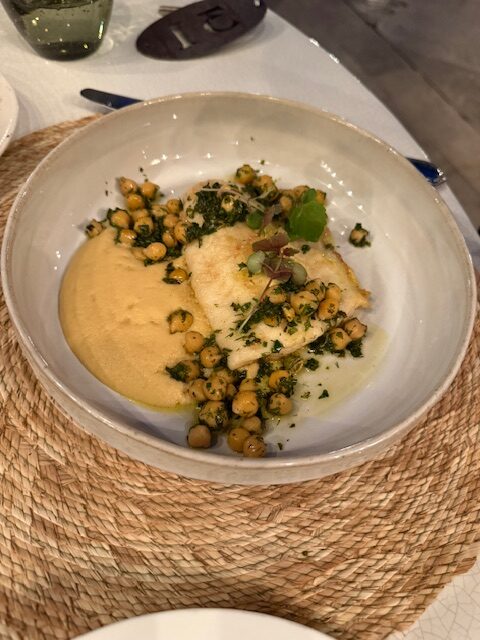
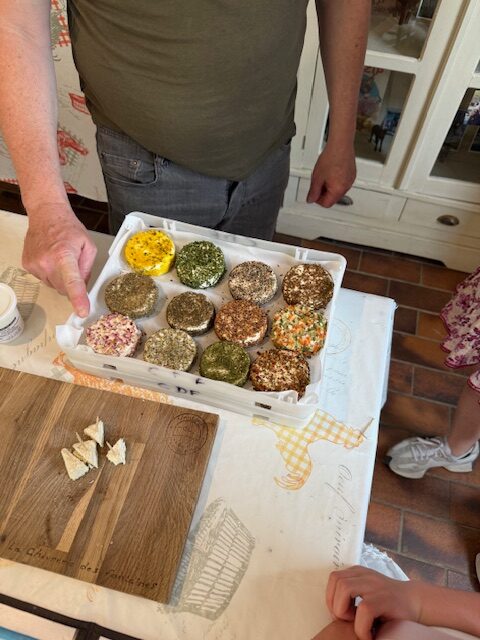
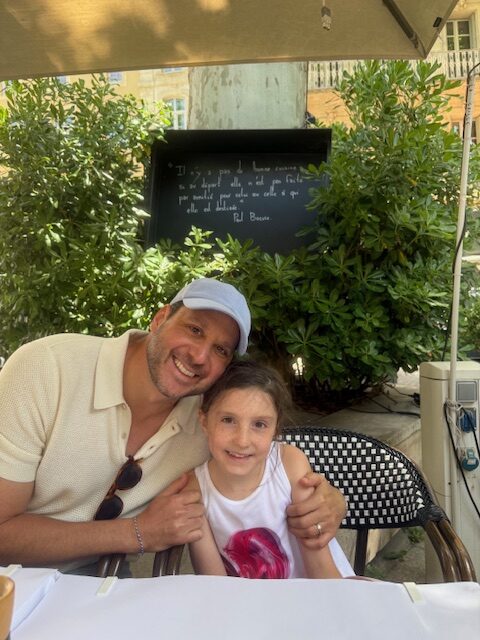
In Houston, Josephine is quite adventurous, but there are very real limitations on what we can and do purchase. I can search all day for razor clams, but I’ll be lucky to find them – and if I do, they’ll be in a can. I can serve her exotic-ish cheeses from our best cheese shops, but I won’t get my hands on a real Comté. And in France, they just take the seasonality and variety for granted. Fascinated, we dove in headfirst, and we tried it all (okay, Josephine still said no to mushrooms and jam of any kind). So, I’m just going to share photos of what we ate, and if you have questions about where to eat, I can make a zillion suggestions.
Copyright 2022 , All-in-One Academics
info@allinoneacademics.com
