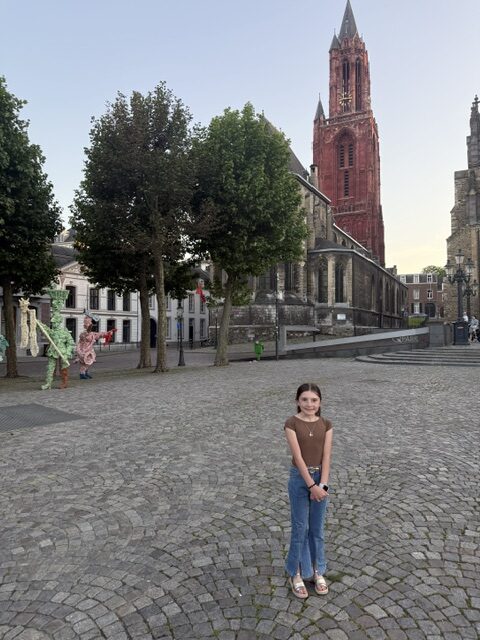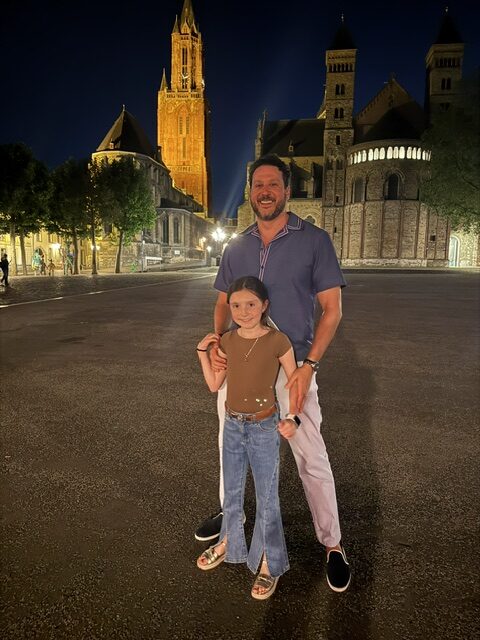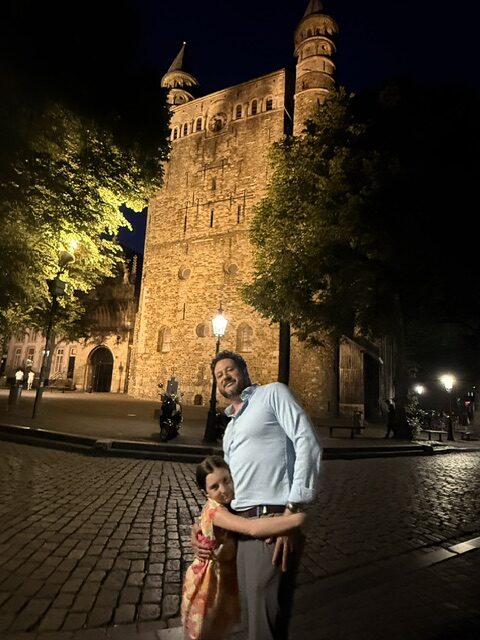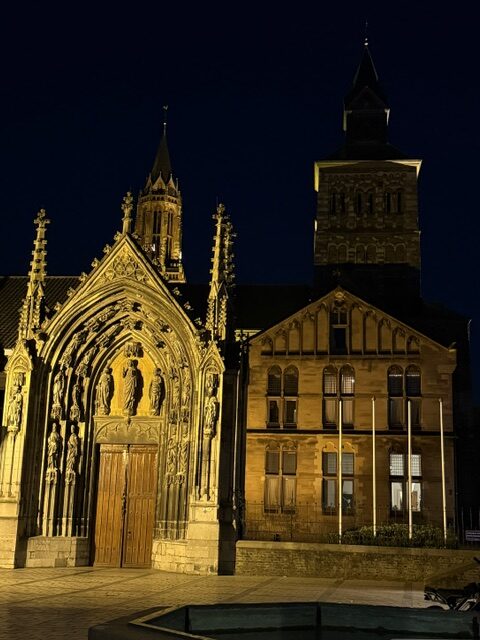


Maastricht may have been one of the biggest surprises of our trip.
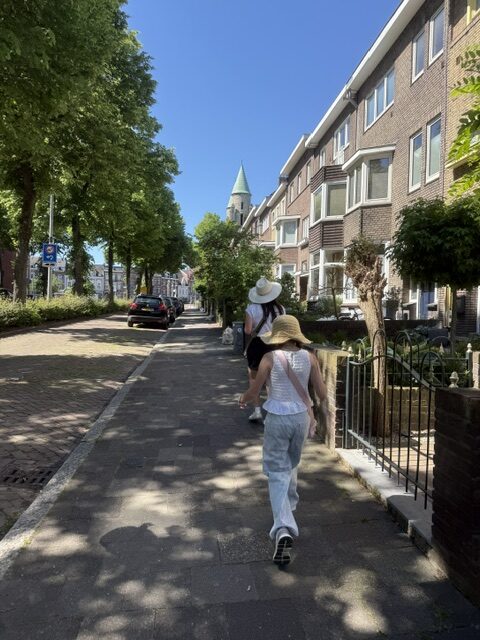
The city has a youthful, energetic feel thanks to the university, but it also manages to be charming, beautiful, and remarkably walkable. We spent two nights there and immediately understood why so many people speak so fondly of it. The streets are lined with cafes, historic buildings, and beautiful public spaces, yet the atmosphere feels relaxed and approachable rather than crowded or overwhelming.
Our hotel was one of the most memorable places we’ve ever stayed: the Kruisherenhotel. The property is a former church that has been transformed into a modern luxury hotel, and somehow the combination works perfectly. The soaring architecture of the church remains intact, while contemporary design elements have been incorporated throughout the space. It is one of those hotels that becomes part of the destination itself.
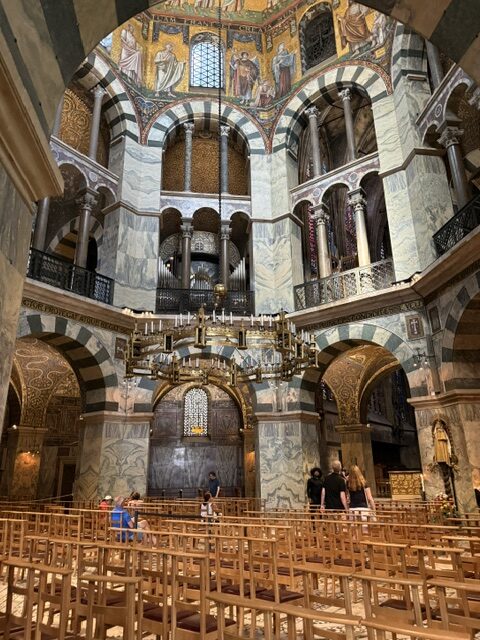
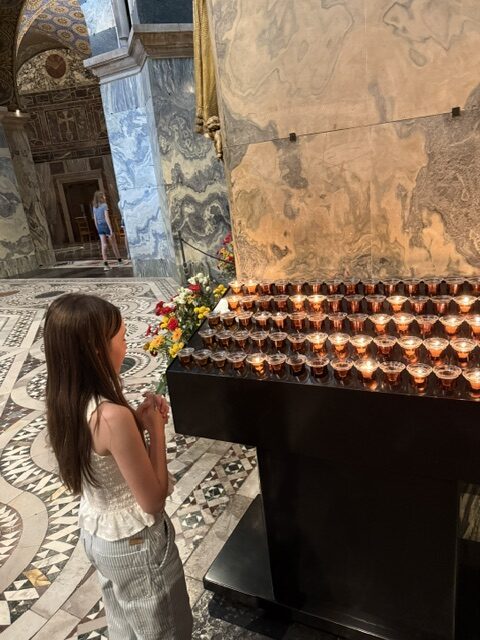
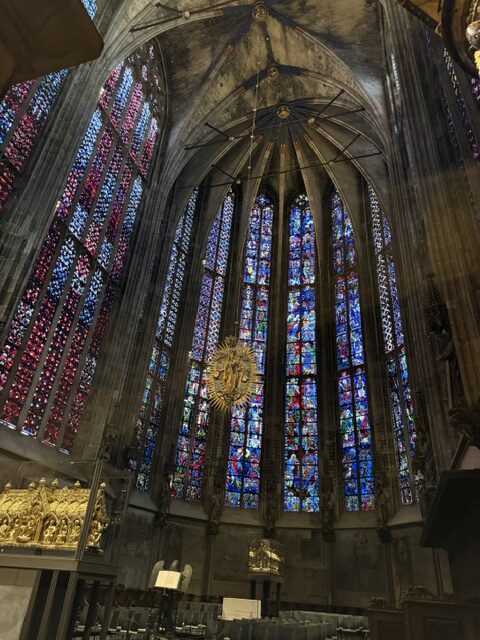
One of the highlights of our stay was a day trip across the border to Aachen, Germany, to visit Aachen Cathedral, the church built by Charlemagne more than 1,200 years ago. Walking into a building that has survived since the time of Charlemagne is a remarkable experience.
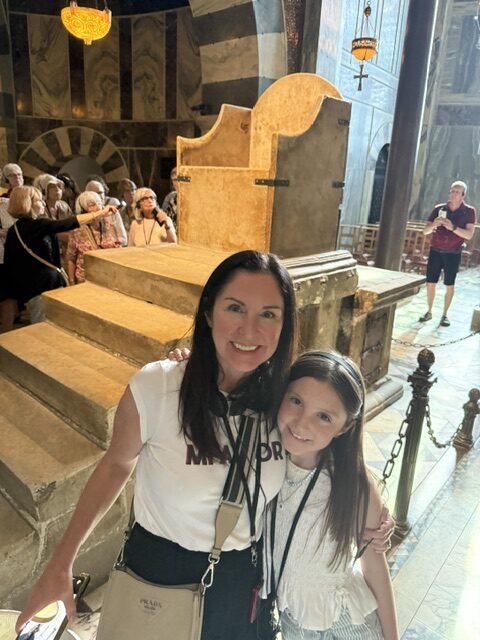
We quickly learned that seeing Charlemagne’s throne required a guided tour. The only tour available was in German. Did we speak German? Nope.
But we joined the tour, understood virtually none of the guide’s explanation, and happily followed along anyway. The reward was seeing Charlemagne’s throne and the altar area where his remains are kept. Sometimes travel requires a willingness to be completely confused in pursuit of something extraordinary.
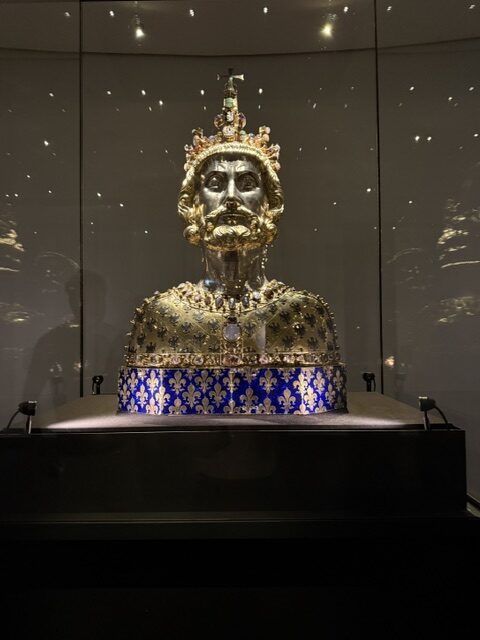
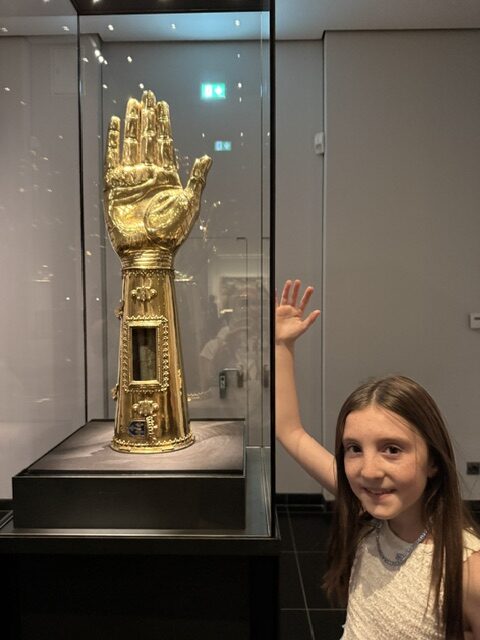
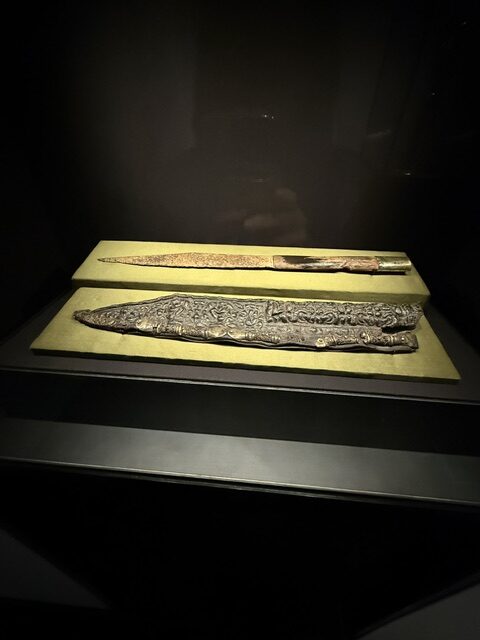
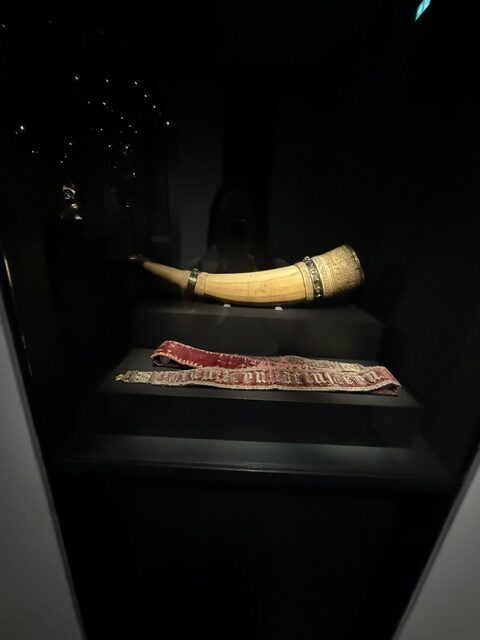
Before leaving, we made a last-minute dash through the cathedral treasury, which turned out to be one of the most fascinating parts of the visit. We saw objects directly associated with Charlemagne himself, including his hunting horn and hunting knife, as well as the famous reliquary bust containing his skull. It felt like standing face-to-face with history.
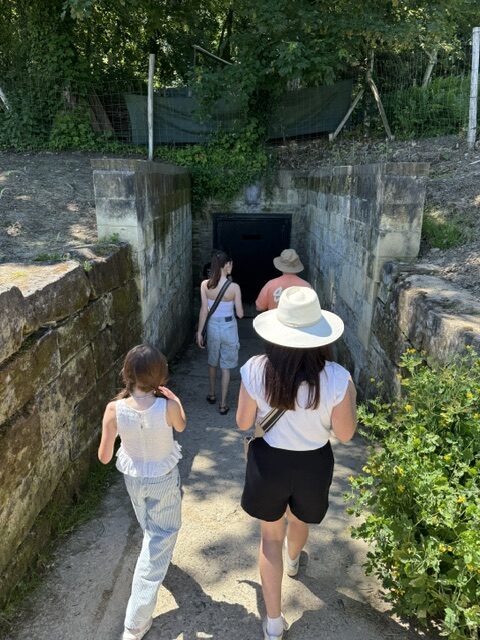
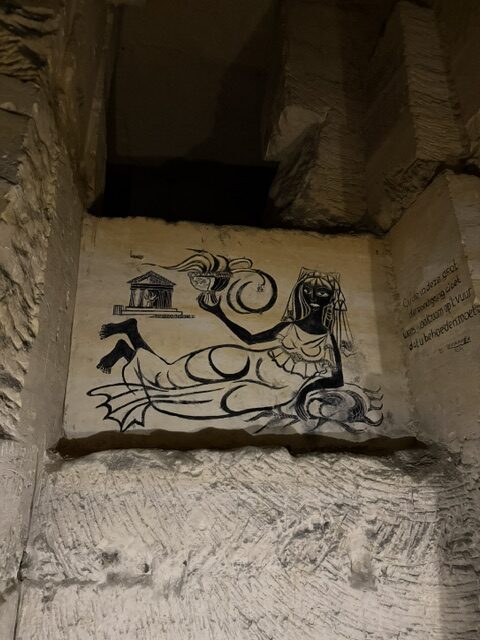
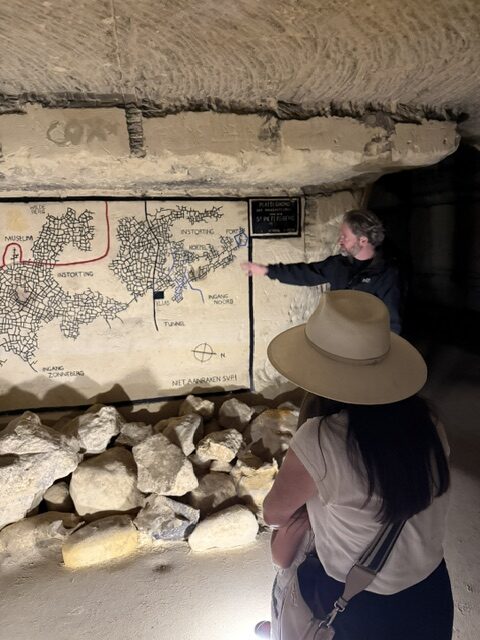
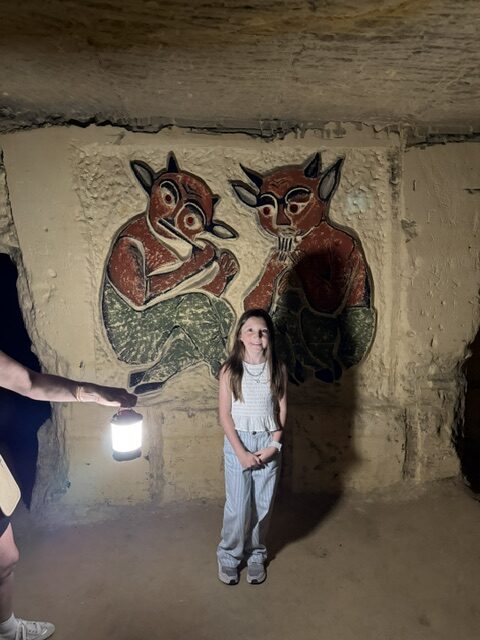
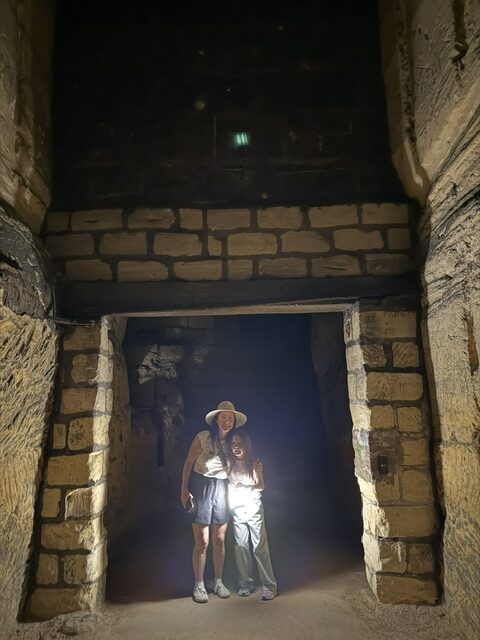
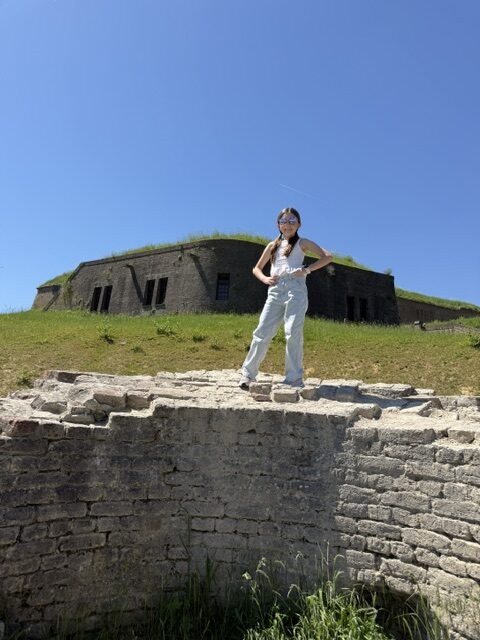
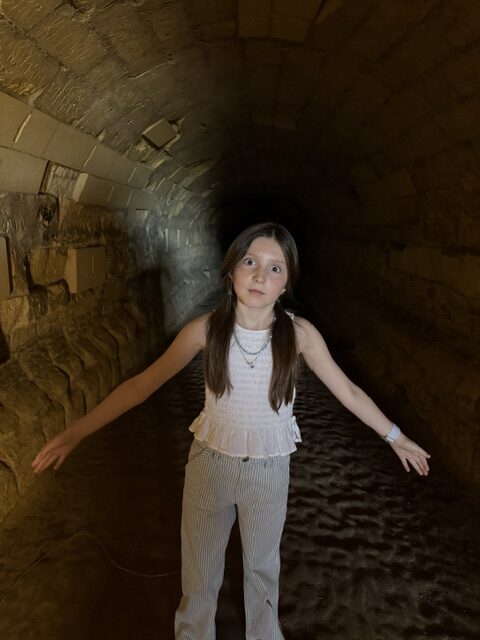
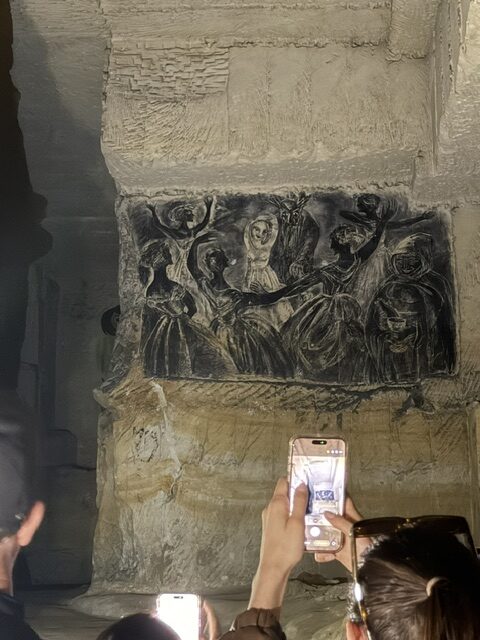
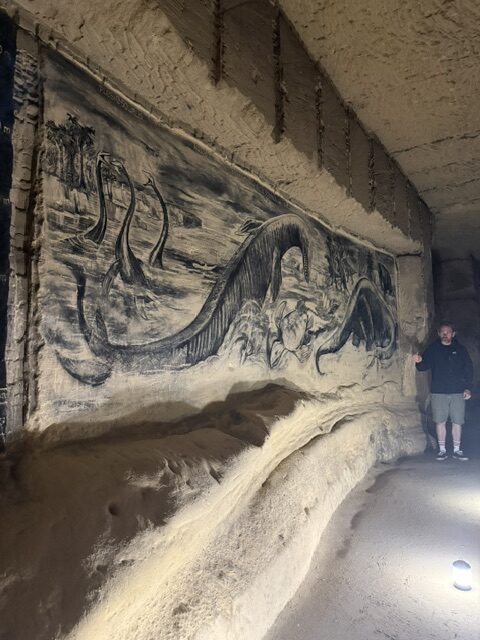
Back in Maastricht, we explored the underground cave system north of the city. The caves are fascinating in their own right, but what makes them especially remarkable is their role during World War II. Thousands of important works of art were hidden there for safekeeping, protected from bombing and Nazi theft. Walking through those tunnels, it was easy to imagine the enormous responsibility carried by the people who worked to preserve Europe’s cultural treasures during one of its darkest periods.
What we expected to be a pleasant stop between larger destinations became one of our favorite portions of the trip. Maastricht offers beautiful architecture, excellent food, easy access to fascinating history, and a relaxed atmosphere that makes you want to stay longer.
Two nights didn’t feel like enough.